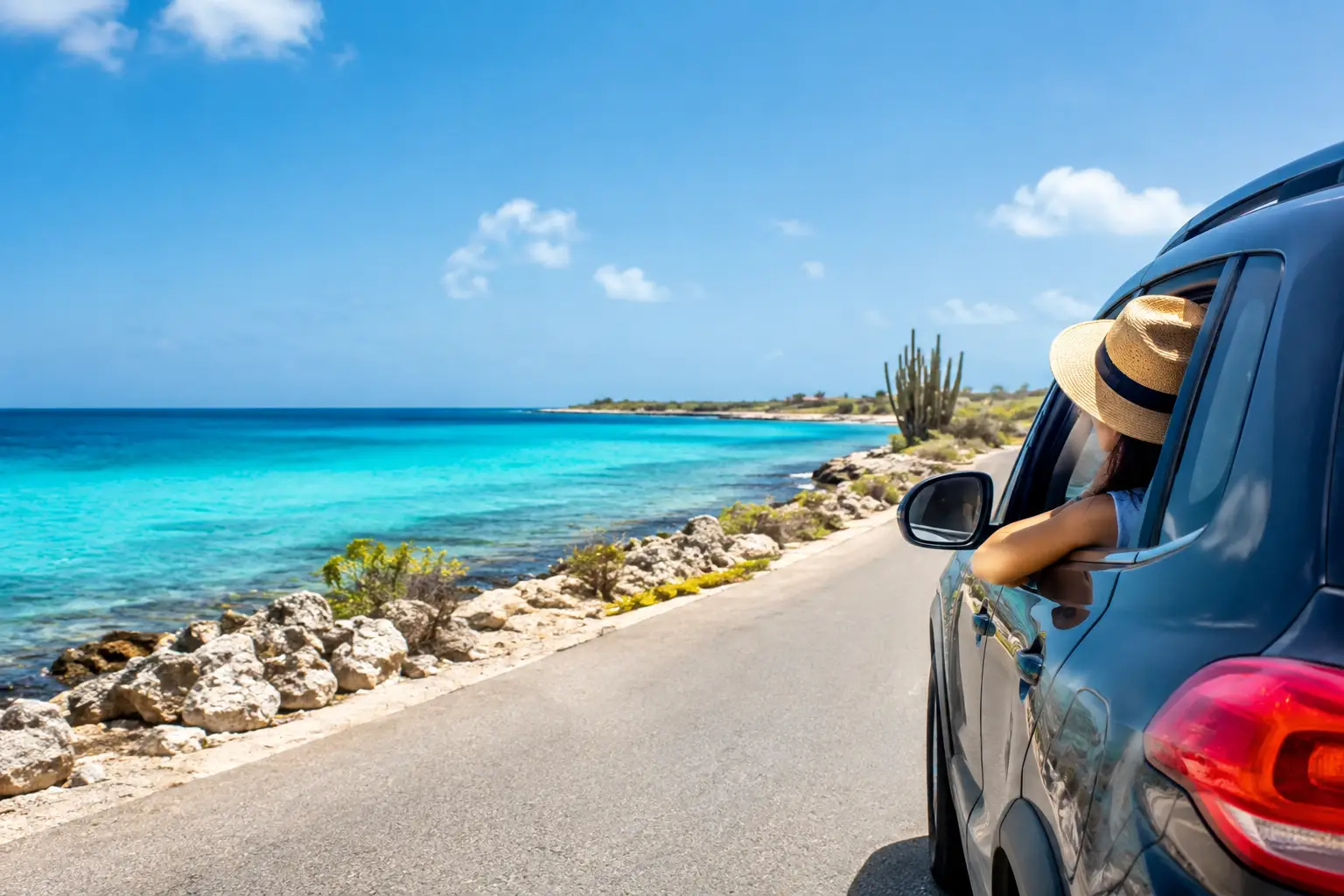


You land in Bonaire with that first-day energy: sun, salt air, and a mental checklist that includes grocery stops, a sunset dinner, and tomorrow’s dive schedule. Then reality hits – how are you getting around?
If you’re asking, do you need a car in Bonaire, the honest answer is: sometimes you can get by without one, but most travelers end up happier (and more relaxed) with their own wheels. Bonaire is easy to drive, parking is usually simple, and the island experience is spread out in a way that rewards flexibility.
Do you need a car in Bonaire for most trips?
For a typical vacation – especially if you’re diving, beach-hopping, or planning to explore beyond one neighborhood – a car is the easiest way to make Bonaire feel effortless.
Bonaire isn’t a “walk out of your hotel and everything is right there” kind of island unless your plans are very limited. You might stay near Kralendijk and have restaurants close by, but the best snorkeling, many shore dive sites, quieter beaches, and Washington Slagbaai National Park are not next door.
The other big factor is time. Taxis exist, but they’re not the same all-day, on-demand system you might be used to in bigger destinations. If you want the freedom to change plans because the wind shifted, the water looks perfect at a different spot, or your group suddenly wants gelato in town, a car makes that easy.
When you can skip renting a car
There are a few scenarios where you genuinely might not need a rental car.
If you’re staying in central Kralendijk, love slow mornings, and plan to spend most of your time at your hotel or a nearby beach club, you can structure a trip around walking and the occasional ride. This works best for travelers who aren’t trying to fit in a lot of different locations each day.
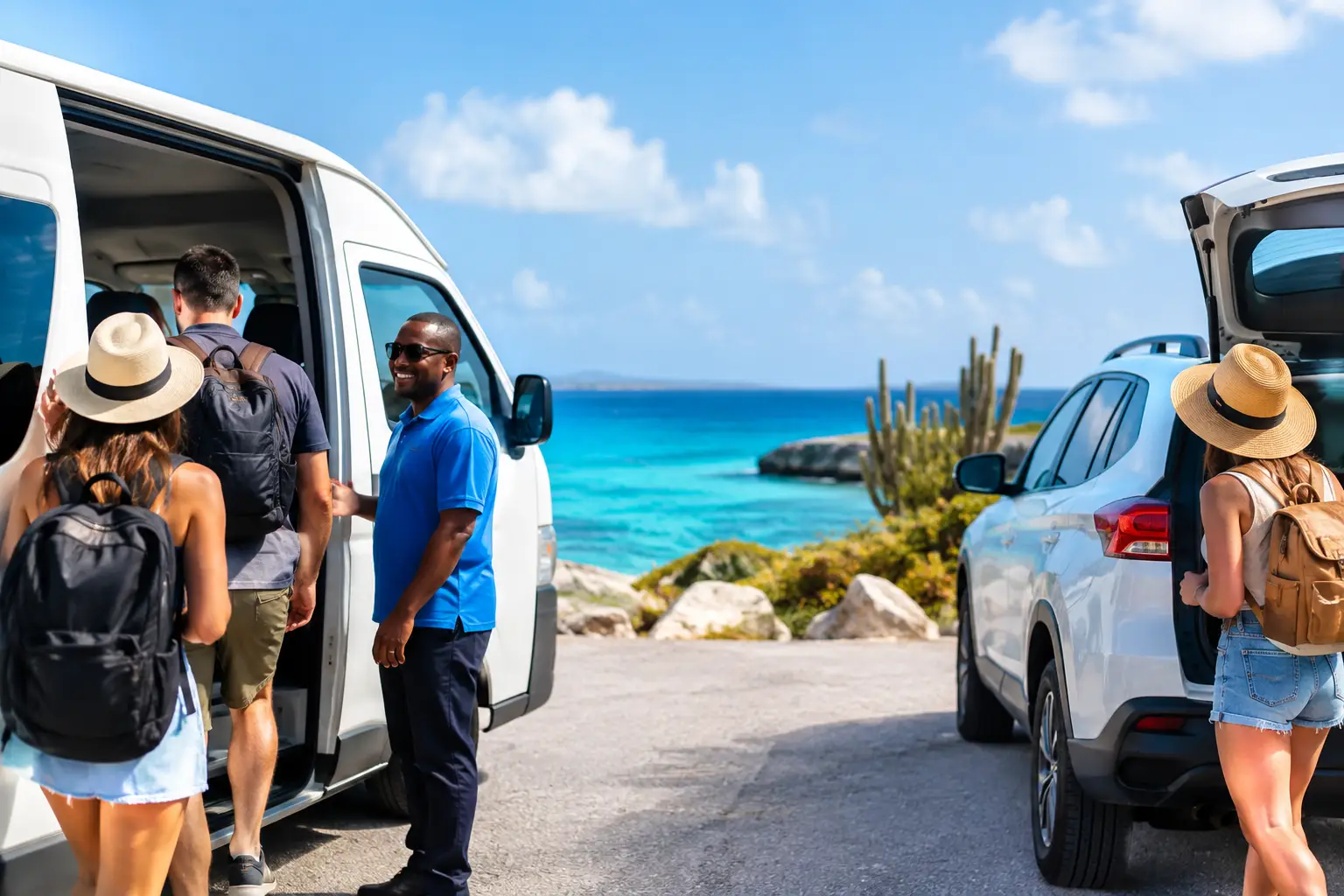
Some visitors also come specifically to unplug, book guided activities with transportation included, and keep their radius small. If your dive operator picks you up, your excursions include transfers, and you’re happy eating close to where you’re staying, you can make it work.
Finally, if your accommodation includes a reliable shuttle service for the places you care about most, that can reduce the need. Just be realistic about how often it runs and whether it matches your schedule – island time is wonderful until you’re hungry and waiting.
When a car makes Bonaire much better
Most trips fall into the “you’ll be glad you rented” category.
Shore diving and snorkeling
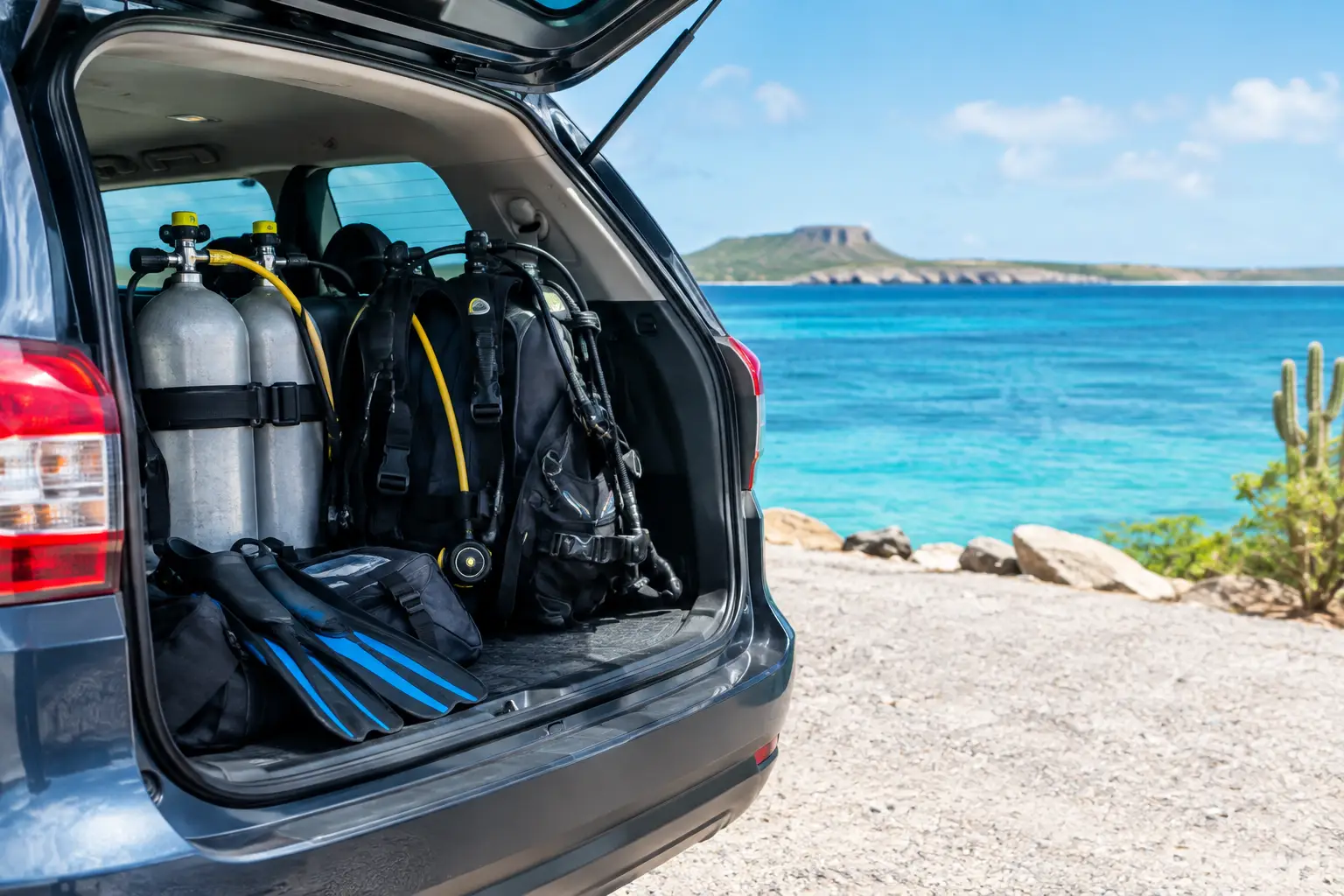
If shore diving is even a maybe, a car becomes more than convenience – it’s how you access the island. Bonaire’s dive freedom is famous for a reason, but that freedom assumes you can get from site to site with your gear.
Even if you’re not diving every day, a car makes spontaneous snorkeling stops simple. Pull off where the water looks calm, spend an hour in the sea, then head to lunch without having to coordinate rides.
Beaches, food, and sunset plans
Bonaire’s best moments often happen when you’re not watching the clock. You’ll want to chase a sunset, try a new restaurant across town, or take a late-afternoon drive after a lazy day.
If you’re relying on pre-arranged rides, you’ll plan less and miss some of those easy, last-minute choices. With a car, you can keep dinner flexible and still make it back without stress.
Washington Slagbaai National Park
If this park is on your list, having your own vehicle matters. It’s one of Bonaire’s standout adventures, and it’s not the place you want to reach only to realize you’re limited by someone else’s schedule.
Families and groups
For couples it’s about freedom. For families and friend groups, it’s also about sanity.
A car lets you keep towels, water, snacks, and extra layers with you. It reduces back-and-forth to the hotel. And it makes it easier to say yes to the things that come up on vacation, like a quick stop for groceries or a new beach someone recommended.
The trade-offs: car vs taxi vs scooter
Choosing transportation in Bonaire is less about right vs wrong and more about matching your trip style.
A car is the most flexible. You get air conditioning when you want it, you can carry gear, and you can drive to remote areas comfortably.
Taxis can work if you’re staying close to town and you don’t mind planning ahead. The trade-off is that each outing becomes a mini logistics project, and costs can add up if you’re moving around often.
Scooters and scooters-style options can be fun for short distances, but they’re not ideal for everyone. Wind, heat, and carrying beach or dive gear can turn a “quick ride” into a chore. For many travelers, scooters are best as a second vehicle, not the main plan.
What kind of car do you need in Bonaire?
Most of the island is easy to drive with a regular car. If your plans are mainly town, restaurants, and well-traveled routes, an economy car or sedan can be perfectly comfortable.
Where the vehicle choice really matters is what you’re bringing with you and where you want to go.
If you’re traveling with dive tanks, weights, multiple gear bags, or a group that likes to pack the whole day into the car, you’ll appreciate more space. Many divers prefer a pickup or SUV because it’s practical for loading and unloading and keeps sandy, wet items from taking over the cabin.
If you’re planning a national park day, or you want to explore rougher roads with more confidence, higher clearance is helpful. It’s not about driving fast – it’s about a smoother ride and less worry.
The best approach is to work backward from your itinerary. If you can picture what will be in your trunk (or bed) at 8 a.m., you’ll know what category fits.
Driving in Bonaire: what first-timers should expect
Bonaire is one of those places where driving feels approachable quickly. The pace is generally relaxed, and you’re not dealing with complicated highways.
You’ll want to take it easy on unpaved roads and keep an eye out for animals crossing, especially at night. And like any beach destination, bring a little patience – you’re on island time now.
Parking is usually straightforward around most beaches and dive sites, and around town you’ll find common-sense options close to where you’re going. The biggest “stress reducer” is simple: give yourself a few extra minutes and don’t force tight spots.
The logistics that make a rental car worth it
The main reason travelers choose a rental car in Bonaire isn’t because the island is hard – it’s because arriving and getting started can be so much smoother.
If your rental includes airport pick-up and drop-off, you skip the “now what?” moment after baggage claim. You don’t have to coordinate a taxi just to go pick up a car somewhere else. You can get on the road, grab groceries, and start vacation immediately.
It also helps to choose a company that can answer real questions before you arrive: What time is pick-up? What if your flight is delayed? Where do you return the vehicle? Those details are small, but they’re the difference between a relaxed arrival and a frustrating one.
If you want a simple, service-first process with free airport pick-up and drop-off, our family team at Bonaire Rent a Car helps travelers get moving quickly – you can reserve online at https://www.bonairerentacar.com.
A quick self-check before you decide
If you’re still on the fence about whether you need a car, ask yourself three practical questions.
First, how many different places do you want to go in a day? If it’s more than one main stop most days, you’ll feel the benefit of having your own vehicle.
Second, are you carrying anything bulky or wet? Dive gear, beach chairs, coolers, and even grocery runs all get easier with a car.
Third, do you want your trip to be schedule-driven or spontaneous? Bonaire is at its best when you can follow good weather, calm water, and recommendations from locals and other travelers.
If your answers point toward flexibility, you’ll probably be more comfortable with a car.
A helpful way to think about it: you can visit Bonaire without renting a car, but having one often turns a good trip into an easy trip – and easy is what vacations are supposed to feel like.