

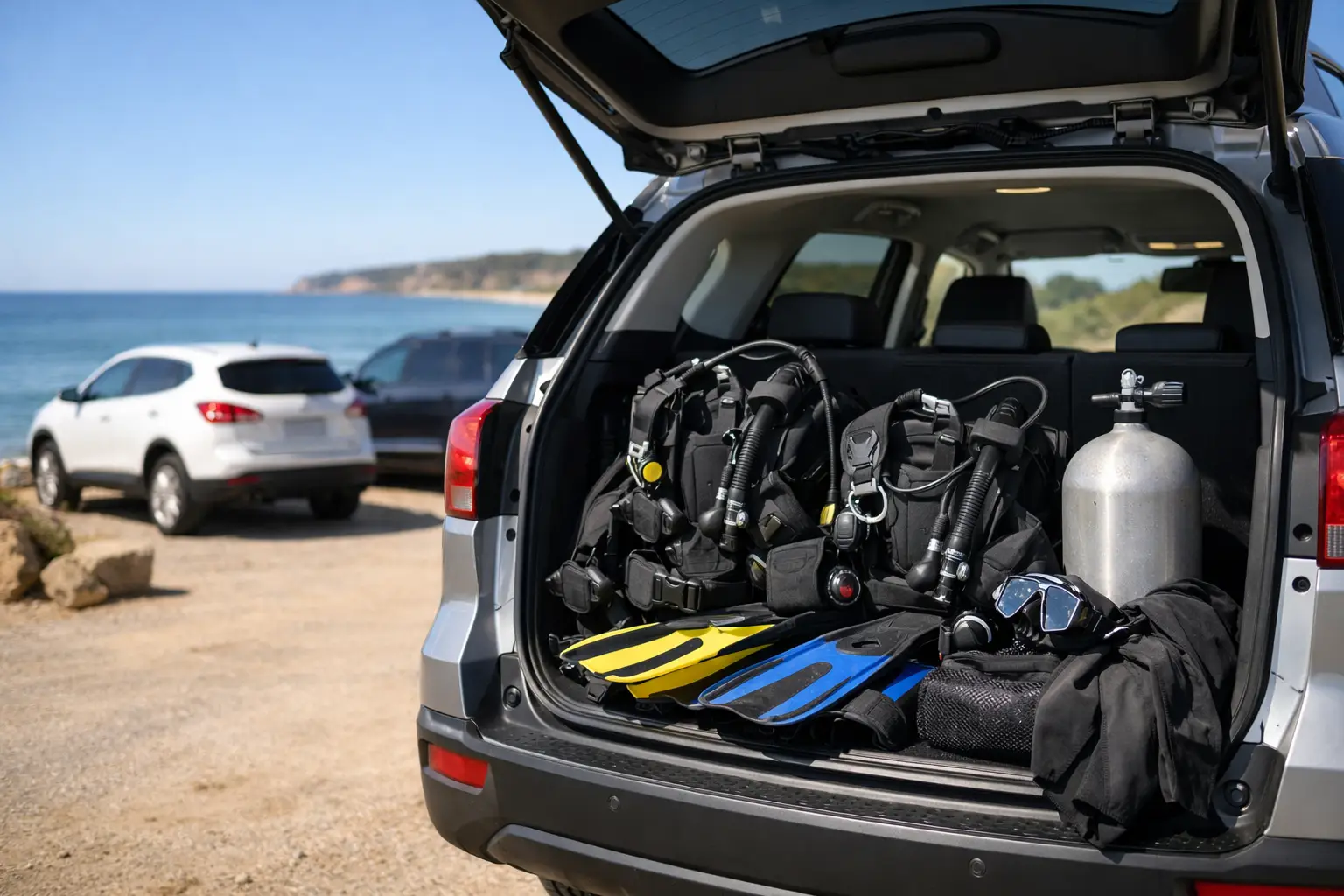
You feel it fastest on dive day – not underwater, but in the parking area. Two sets of fins, BCDs, wetsuits, dry bags, towels, a cooler, maybe a camera case, and suddenly the rental car that looked fine online starts feeling very small. If you’re asking what car fits dive gear, the honest answer is that it depends on how many people are diving, how much gear you’re bringing, and how much breathing room you want between stops.
On Bonaire, that decision matters more than it does on a typical beach vacation. Many visitors are moving between shore dive sites, restaurants, accommodations, and grocery stops in the same day. A car that technically fits your gear is not always the car that makes the day easy. The right choice gives you space to load quickly, keep wet and dry items separate, and get to the next site without playing trunk Tetris.
What car fits dive gear for your trip?
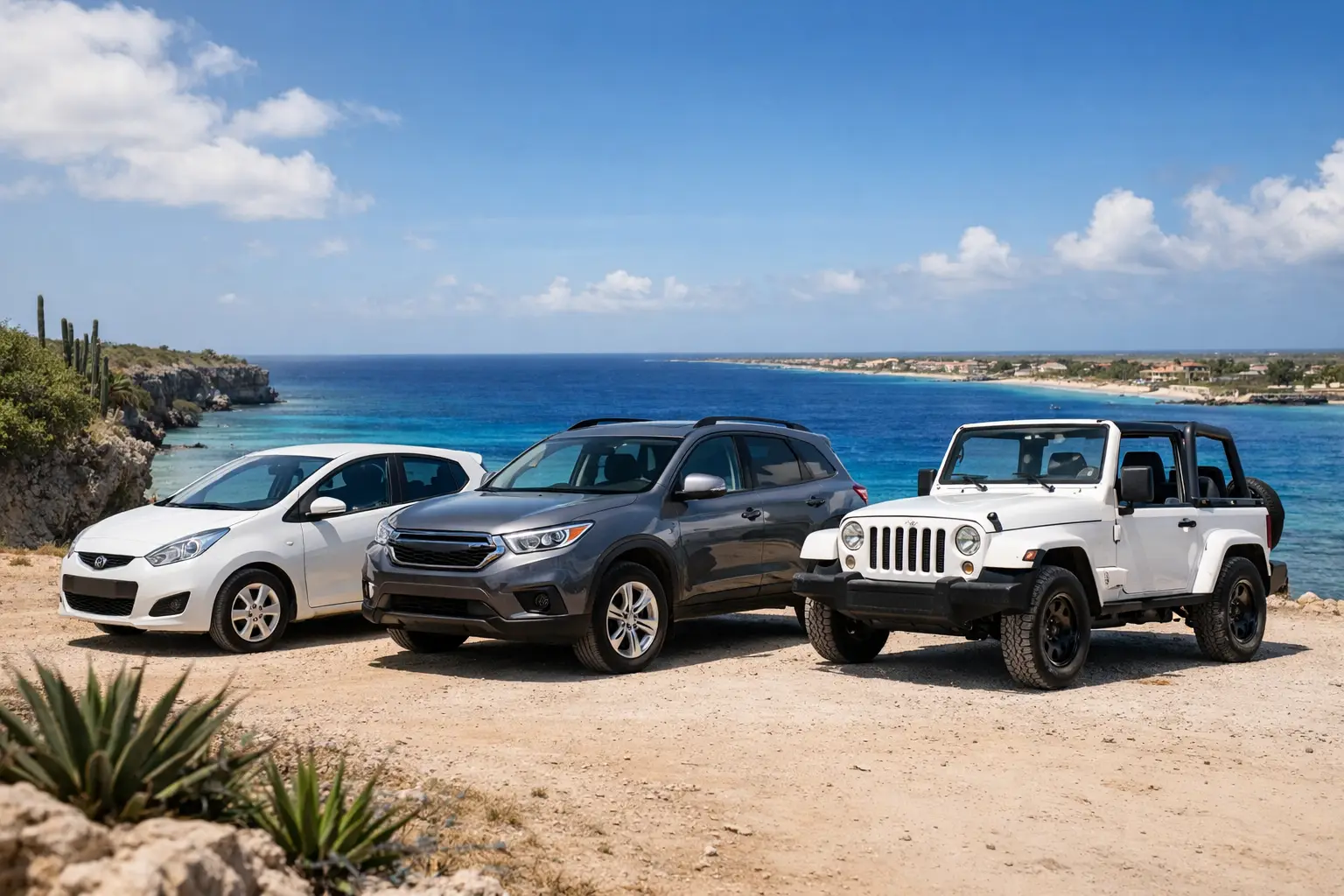
The quickest way to think about it is this: a small car can work for light packing and two divers, a sedan is usually more comfortable for two divers with full gear, and an SUV or pickup makes life easier for larger groups, extra equipment, or anyone planning to dive often during the trip.
That does not mean bigger is always better. Some travelers overbook a vehicle when a practical mid-size option would do the job well. Others go too small because they picture one duffel per person, then forget about tanks, rinse items, snacks, and the usual vacation extras that somehow multiply by day two.
If you are bringing only personal gear and picking up tanks at the dive shop or site as needed, you have more flexibility. If you expect to carry multiple tanks, camera gear, or gear for three or four people at once, the right answer shifts toward more cargo room very quickly.
Start with your real gear load
Before choosing a vehicle class, picture one full day instead of one suitcase. That is usually where people get a clearer answer.
A typical setup for one diver can include fins, mask, snorkel, BCD, regulator bag, wetsuit or rash guard, booties, towel, water, dry clothes, and a small personal bag. Add a second diver and that doubles fast. Add shore diving habits – a cooler, site snacks, reef-safe sun protection, and maybe a mesh bag full of wet gear – and the cargo area matters more than the seat count.
If you are traveling as a couple and both of you dive, a sedan often gives you enough room without feeling oversized. You can usually keep gear in the trunk and still have a comfortable cabin. For many Bonaire visitors, that is the sweet spot between compact and roomy.
If you are traveling with friends or family, things change. Three or four people with full dive setups can fill a standard trunk quickly, especially if everyone also has luggage in the vehicle on arrival or departure day. In that case, an SUV or pickup usually feels like the smarter choice, not because you need something flashy, but because you need practical space.
When a small car works – and when it does not
A compact or economy car can work if you are traveling light, diving as a pair, and packing efficiently. If your gear is streamlined and you do not mind using some back-seat space for soft bags, a smaller vehicle may be enough for local driving between accommodations and dive sites.
The trade-off is convenience. Smaller cars ask more from you every time you load and unload. Wet items may end up mixed with dry ones. Fins may need to sit across the floor. The back seat becomes storage sooner than expected. For short trips or minimal gear, that may be fine. For a week of regular diving, it can start to feel cramped.
This is especially true if your first and last day include airport luggage plus dive equipment. A vehicle that fits dive gear during the middle of the trip may not fit everything comfortably when suitcases are also onboard.
Sedans are often the practical middle ground
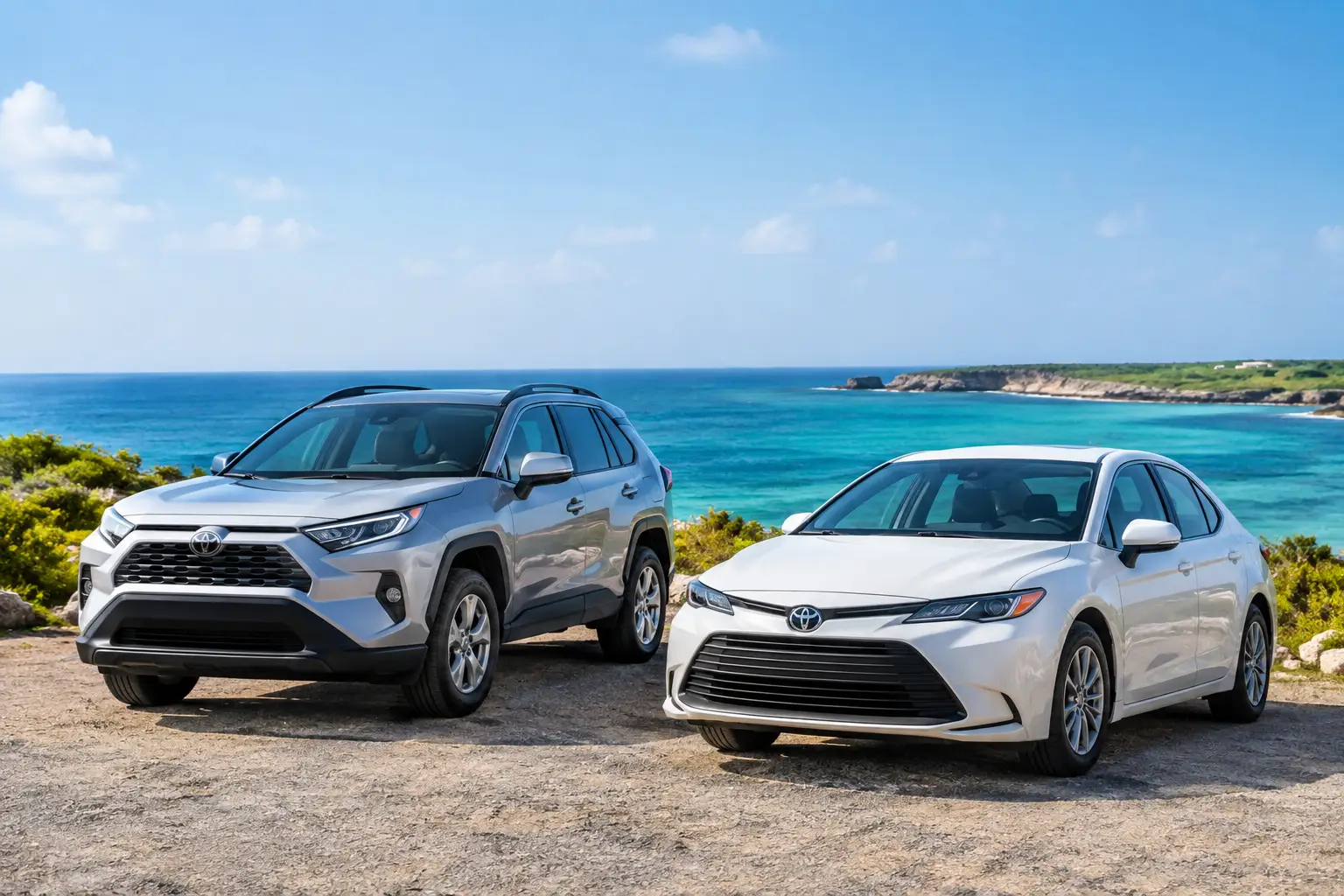
For many travelers wondering what car fits dive gear, the answer is a sedan. It gives you more trunk space than a compact car, keeps gear contained, and usually offers a smoother, more comfortable ride for couples or two friends heading out for multiple dives.
That extra room matters in small but noticeable ways. You can separate delicate gear from heavier bags. You can stash towels and dry clothes without piling everything on top of each other. You are less likely to spend ten minutes reorganizing the car at every stop.
A sedan is often the best fit for two divers with full personal gear and day-use extras. It may also work for three travelers if only two are diving or if the gear load is lighter. Once everyone in the group is diving, though, you may start feeling the limits.
SUVs make frequent dive days easier
If your trip is built around diving, an SUV is often the easiest answer. The higher cargo capacity gives you more freedom to pack naturally instead of perfectly. That alone can make a difference when you are doing early starts, multiple site visits, or group outings.
SUVs are a strong option for three or four divers, travelers carrying camera or photography equipment, and anyone who likes having room for coolers, groceries, and beach gear alongside dive equipment. They also help if you want a little more comfort on the way to more remote spots around the island.
The main trade-off is cost. If you do not need the space, paying for a larger vehicle may not add much value. But if you are trying to fit several divers and gear into a smaller car, the savings can disappear in stress pretty quickly.
Pickups are ideal for bulky, wet, or group gear
There is a reason so many divers appreciate a pickup on Bonaire. When you are carrying tanks, wet gear, and a full day’s worth of equipment, a pickup keeps things simple. Load it, rinse what you need later, and keep the cabin cleaner and less crowded.
That setup is especially useful for buddy pairs who carry a lot of gear, small groups, or travelers who want easy access in and out throughout the day. If your plan includes regular shore diving and plenty of site hopping, a pickup can feel less like an upgrade and more like the right tool for the job.
It is also helpful if you do not want soft dive bags pressed into seat backs or dripping items tucked into footwells. The extra utility is hard to ignore once you have a full load of wet gear after a second dive.
Think beyond people count
One common mistake is choosing a vehicle only by the number of seats. Four people does not automatically mean any five-seat vehicle will work. Four divers with fins, BCDs, towels, and personal bags can take up far more room than four non-diving passengers heading to dinner.
It helps to ask a better question: how much cargo do we want inside the car at the same time? That includes airport bags, groceries, camera equipment, and anything you do not want exposed to heat, sand, or moisture.
If you like a relaxed vacation pace, give yourself a little extra room. If you are comfortable packing tightly and traveling light, you can size down. Neither choice is wrong, but the right fit depends on how you travel, not just how many names are on the reservation.
The easiest rule of thumb
If you want a simple starting point, use this. For one or two divers with light-to-moderate gear, a compact car or sedan may be enough. For two divers with full gear who want more comfort, a sedan is often the safer choice. For three or more divers, or anyone carrying bulky equipment, an SUV or pickup is usually the better fit.
That is also why a transparent fleet matters. Bonaire Rent a Car keeps the categories straightforward, so travelers can match the vehicle to the trip instead of guessing from vague labels. If your vacation includes regular dive site access, it is worth choosing the car that makes loading and unloading easy from day one.
What car fits dive gear without overthinking it?
The best answer is the smallest vehicle that still leaves you with room to move. Not just room to make it fit once, but room to enjoy the day. Dive vacations already come with enough logistics. Your car should make the island feel easier, not tighter.
If you are deciding between two sizes, think about your fullest day – airport bags, dive gear, cooler, groceries, wet towels, all of it. Book for that version of the trip, and you will probably be happy with the choice every other day after that.
A little extra cargo space rarely feels wasteful on Bonaire. It usually feels like a good call by the second dive stop.