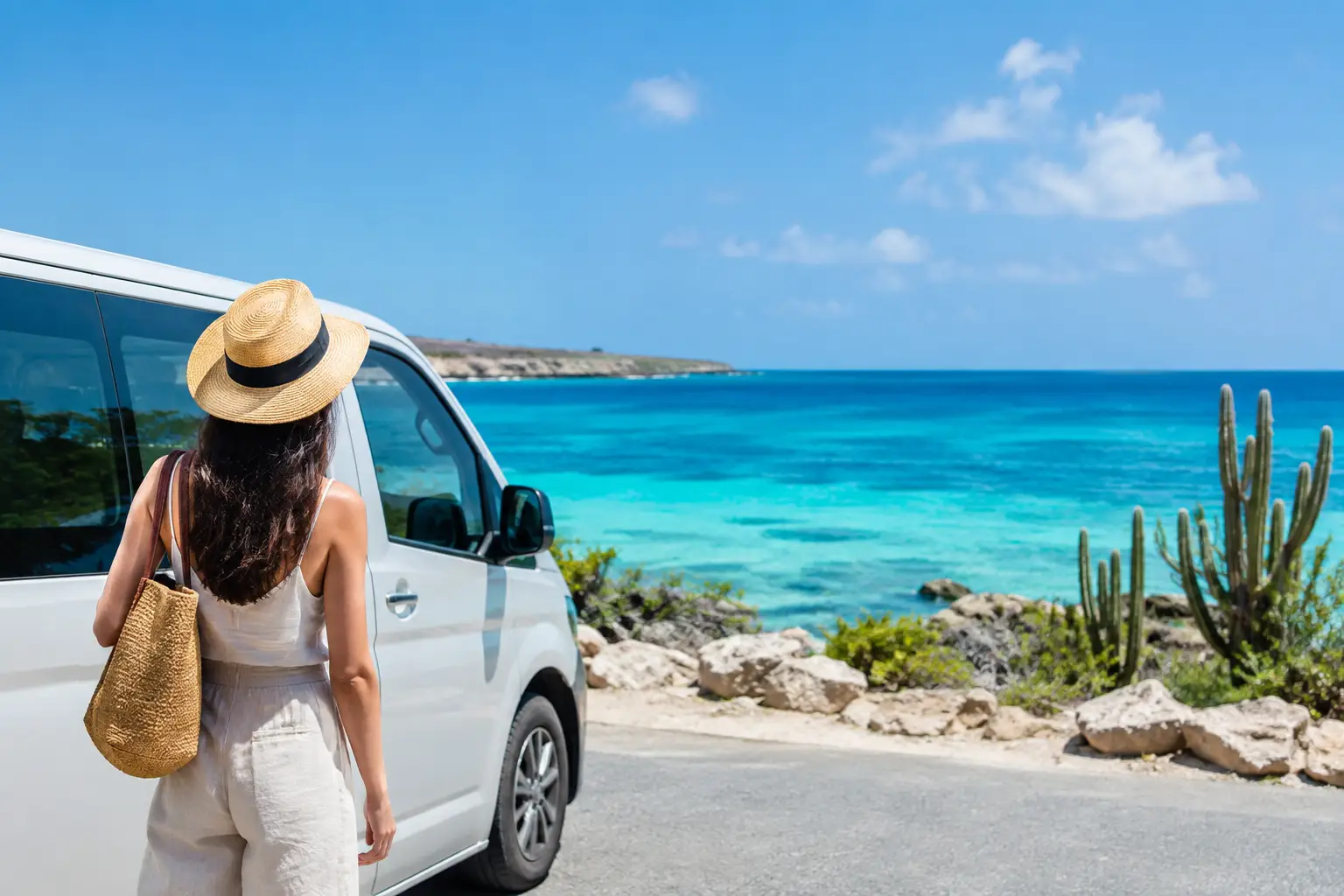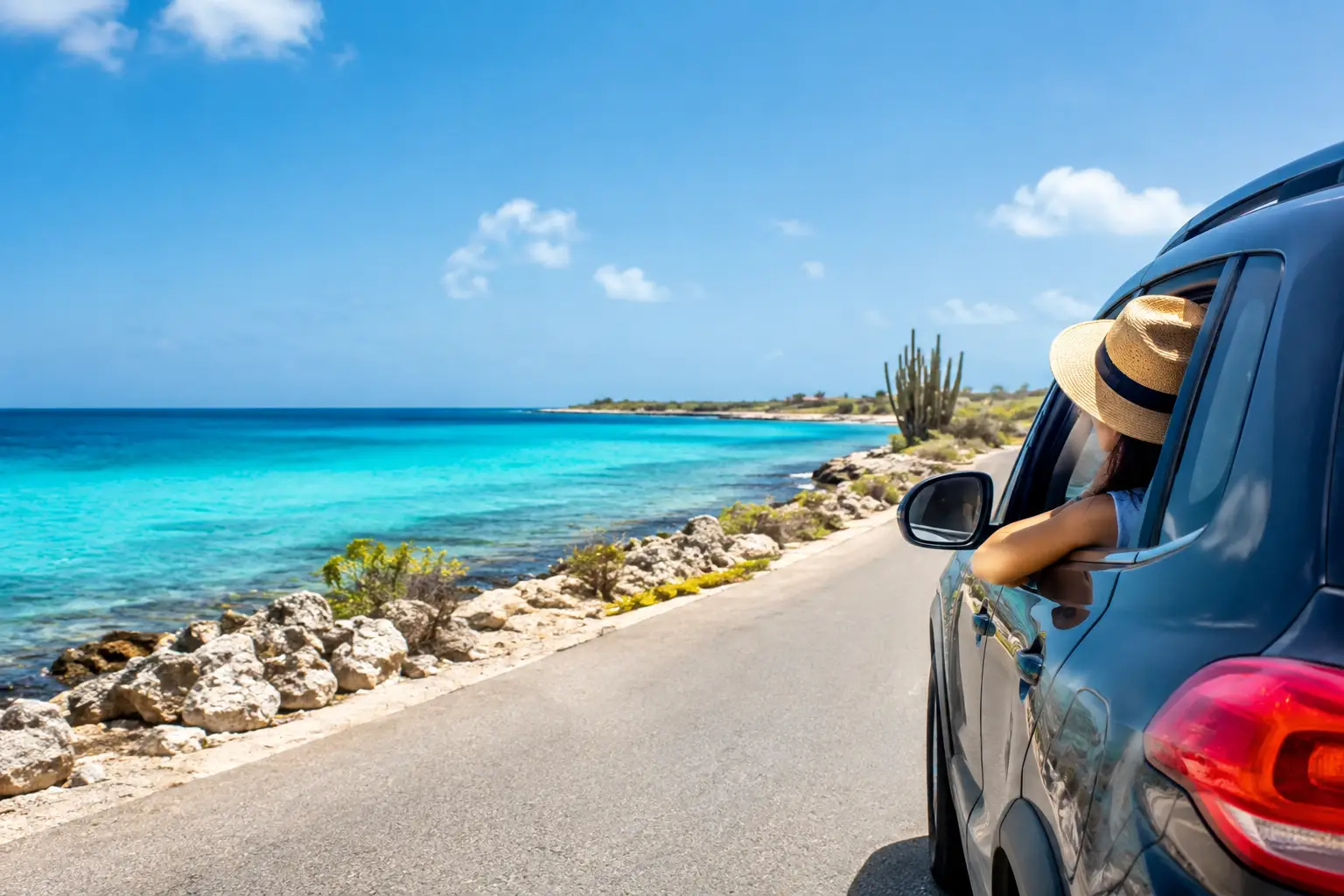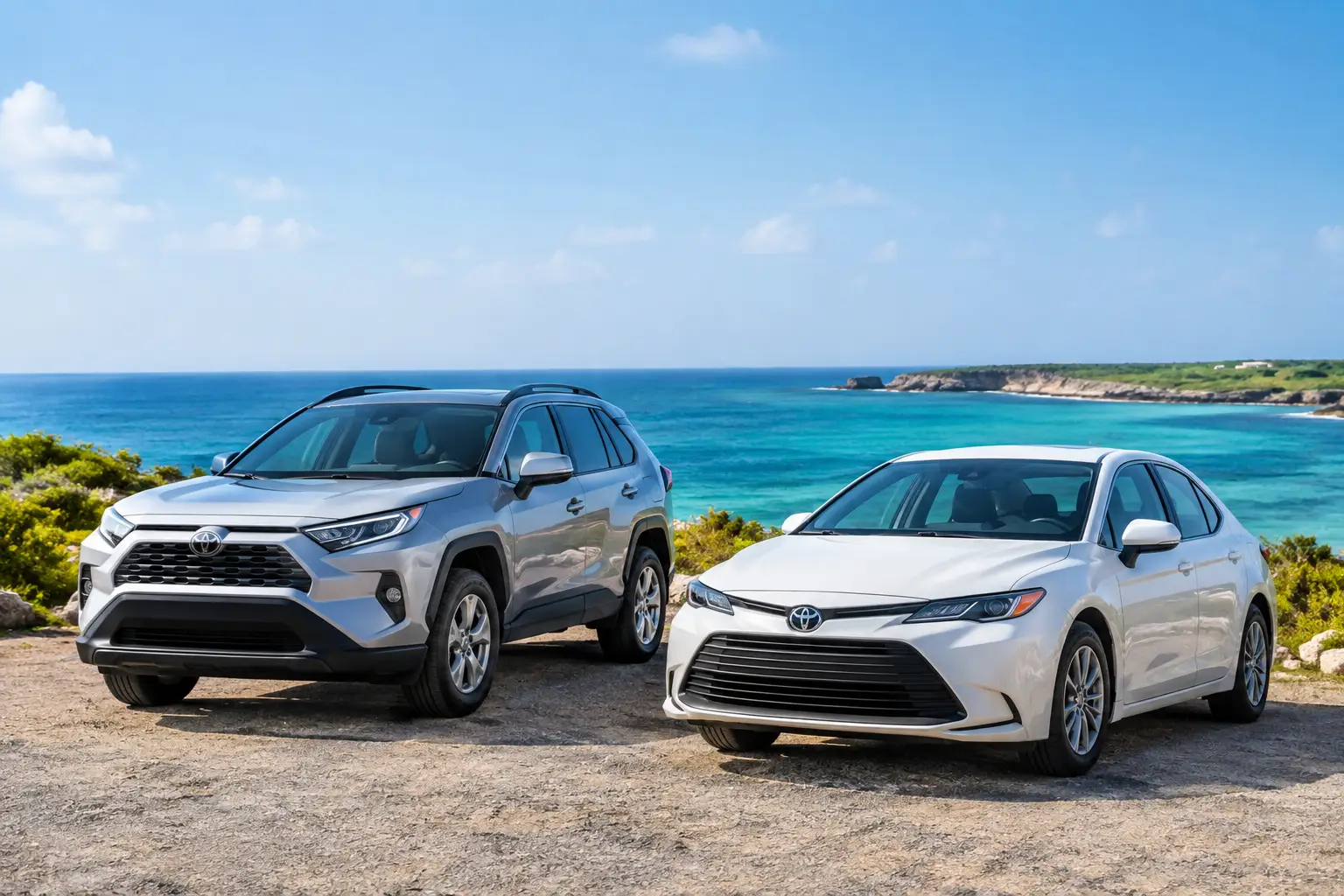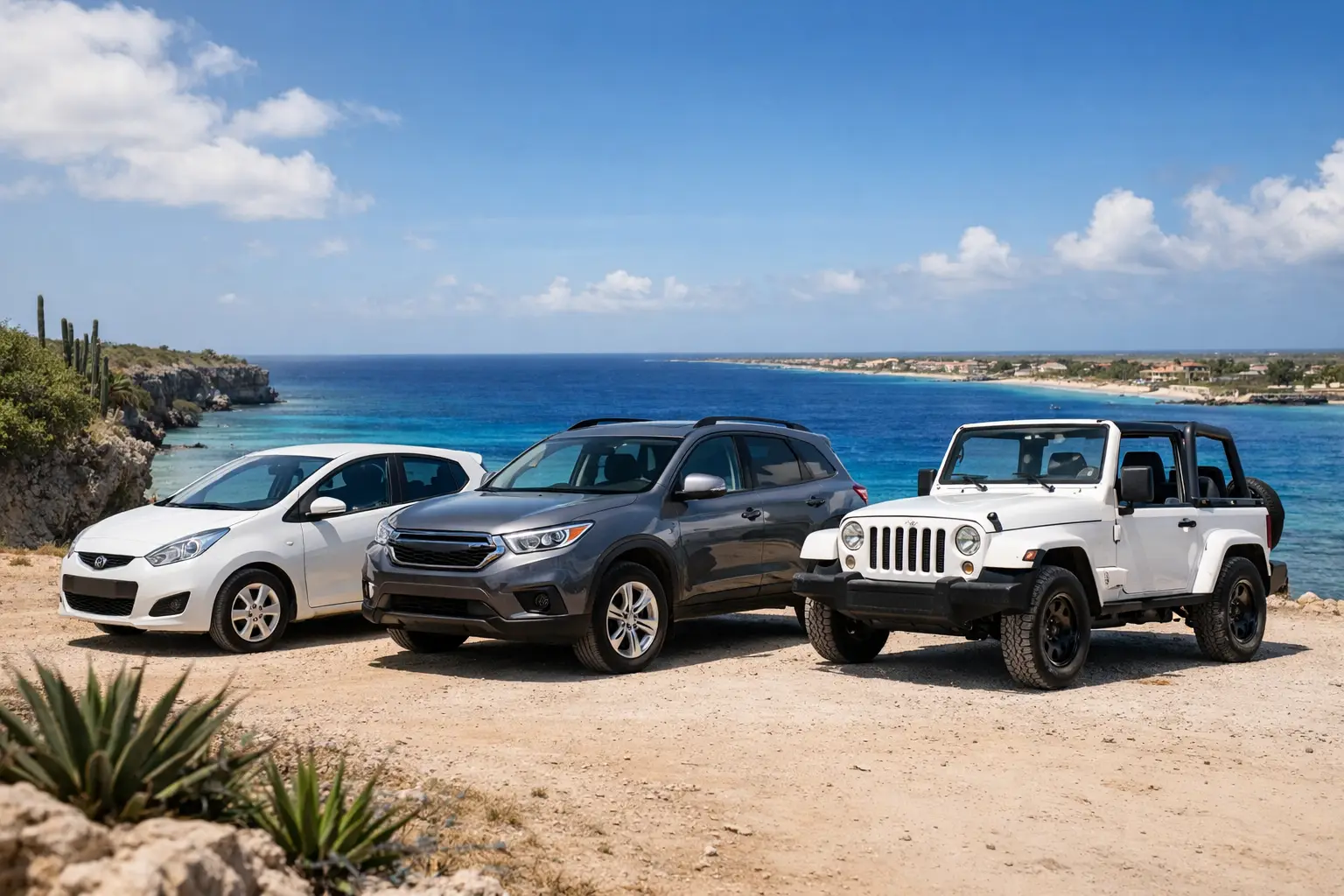


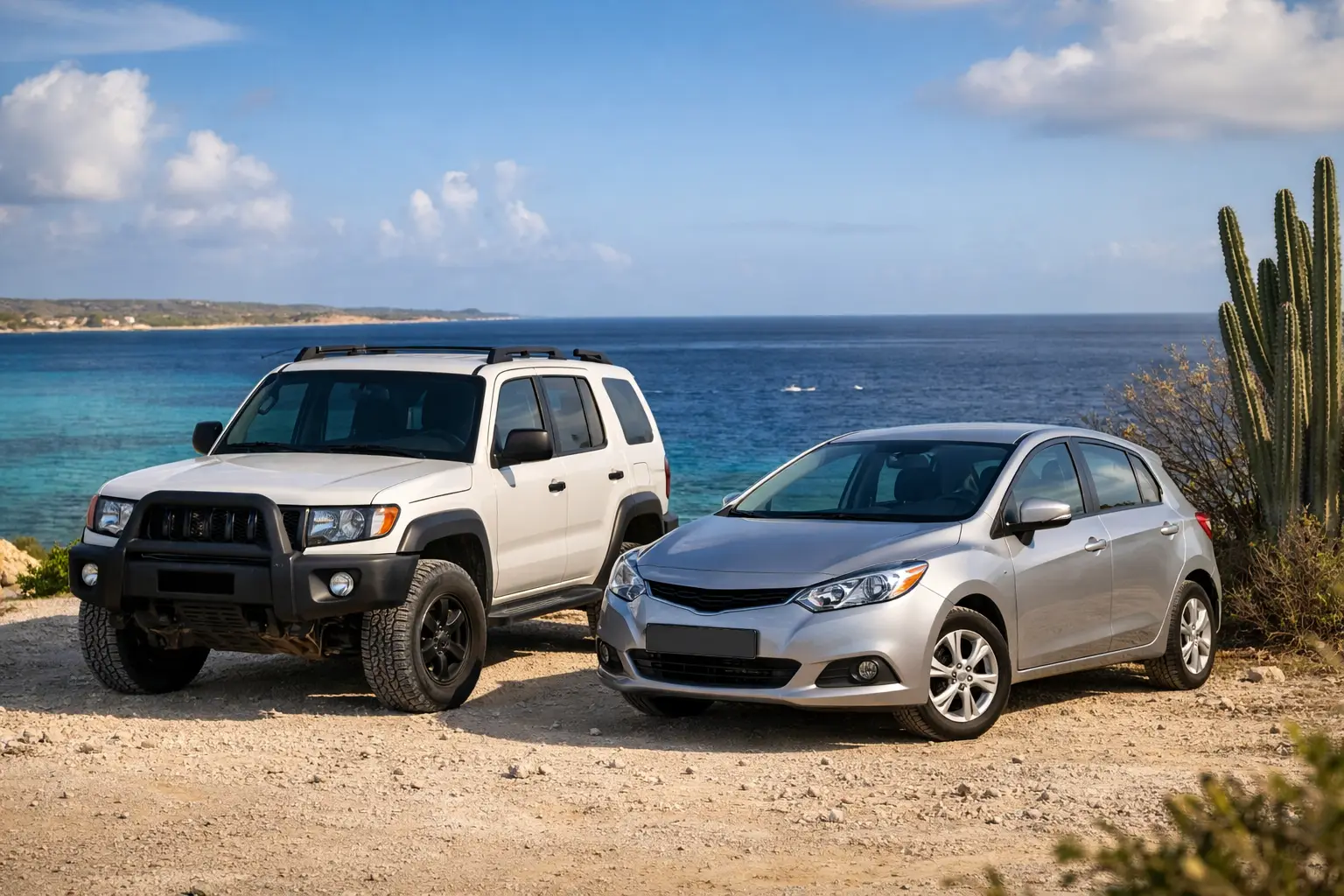
You can reach a beautiful beach in Bonaire with almost any rental car. The better question is what you want the drive between beaches, dive sites, restaurants, and your accommodation to feel like. When choosing four wheel drive versus compact, think less about appearances and more about your plans, your passengers, and the gear coming along for the ride.
A compact car can be a smart, comfortable choice for a couple staying near town and spending most days on paved roads. A four-wheel-drive vehicle or pickup may be the better fit for travelers carrying dive equipment, exploring rougher routes, or heading into Washington Slagbaai National Park. Neither is automatically the right answer. The right vehicle is the one that makes your vacation easier from the moment you leave the airport.
Four wheel drive versus compact: start with your itinerary
Bonaire is an easy island to explore independently, but its roads are not all the same. Around Kralendijk and along many popular coastal routes, you will find paved roads that are well suited to compact cars. If your plan includes beach stops, waterfront dining, grocery runs, and a relaxed drive along the southern salt pans, a compact often covers everything you need.
The island changes once your itinerary calls for more remote areas. Some roads can be uneven, rocky, narrow, or unpaved, especially after weather affects road conditions. A higher-clearance vehicle is more comfortable when the route itself is part of the adventure. It also gives you more confidence when you are carrying a full load of passengers, bags, coolers, or dive gear.
Before booking, picture a normal day rather than the one ambitious excursion on your list. Where will you sleep? How often will you drive? Are you planning to visit national park terrain? Will you be bringing equipment to shore-dive entry points? Those answers usually make the choice clear.
When a compact car is the better choice
For many Bonaire visitors, a compact is exactly right. It is easy to park near restaurants and beaches, simple to handle on familiar paved roads, and generally uses less fuel than a larger vehicle. That can matter when you plan to drive around the island every day.
Compact rentals work especially well for one or two travelers with standard luggage. They are a practical match for guests whose vacation revolves around the south, the town area, and accessible beaches. You still have the freedom to set your own schedule, stop for a swim when the water looks irresistible, and head out for dinner without arranging a taxi.
A smaller car can also feel less stressful for first-time visitors. Bonaire is relaxed, but you are still driving somewhere new. Choosing a vehicle that feels familiar and easy to maneuver lets you spend less energy thinking about parking and more time enjoying the island.
The trade-off is space and clearance. A compact may feel tight if you have four adults, large suitcases, a stroller, camera cases, and beach supplies. It is also not the best choice for routes that call for greater ground clearance. Being able to fit everyone inside is different from being comfortable for a full week of vacation driving.
Compact is ideal when your trip looks like this
A compact is usually a good match when you are traveling as a couple or small group, staying on paved routes, packing light, and planning mostly beach, dining, snorkeling, or town days. It is the practical choice when you want straightforward transportation without paying for more vehicle than your itinerary requires.
When four-wheel drive makes more sense
Four-wheel drive is not necessary for every mile in Bonaire, but it can be valuable for the travelers who genuinely need it. The biggest advantages are ground clearance, capability on rougher surfaces, and room for people and equipment. If your vacation includes remote exploring, a vehicle with those strengths can turn a complicated day into a comfortable one.
Washington Slagbaai National Park is often the deciding factor. Visitors should always check current park guidance and follow posted rules, since road conditions and vehicle requirements can change. When routes are uneven or rugged, a suitable high-clearance vehicle helps you travel more confidently and protects your plans from being limited by the road.
Divers and active groups may also appreciate the extra room that comes with a larger vehicle or pickup. Tanks, fins, wetsuits, rinse bins, cameras, and towels add up quickly. You do not want to begin a dive day trying to arrange gear around passengers’ feet or leave essentials behind because the trunk is full.
There is a trade-off, of course. Larger four-wheel-drive vehicles use more fuel, take up more space, and are more than some guests need for a mostly paved-road holiday. If you only expect one rough-road outing, ask whether the rest of your week justifies the larger vehicle. A rental decision should support the whole trip, not just one afternoon.
Four-wheel drive is ideal when your trip looks like this
Choose four-wheel drive or a higher-clearance option when you expect to visit more rugged areas, travel with a family or friend group, carry substantial dive or beach gear, or simply want extra space and confidence beyond the main paved routes. It is also a sensible choice for travelers who prefer not to make every bag, cooler, and piece of equipment fit like a puzzle.
Space matters as much as road conditions
Travelers often compare four wheel drive versus compact based only on where they will drive. That is useful, but passenger comfort matters just as much. A vehicle that feels roomy at pickup can become frustrating after you add luggage, groceries, wet towels, and a few days’ worth of island essentials.
For a couple with two suitcases, a compact can be pleasantly simple. For four adults, it may be better to choose a sedan, SUV, or pickup depending on how much gear you have and where you plan to go. Families should leave room for car seats, snacks, beach bags, and the small items that make vacation days run smoothly.
Divers should be especially realistic about their setup. A few masks and fins are one thing. Multiple sets of equipment, underwater camera housings, tanks, and coolers can call for a larger class. Selecting enough cargo room from the start means less loading, fewer crowded rides, and more time at the water.
A quick way to choose your Bonaire rental
Start with road type, then count passengers, then count bags and gear. If your travel is mostly paved, your group is small, and you want efficient, easy transportation, a compact is likely the best value. If rougher routes, a national park visit, extra cargo, or a larger group are central to your plans, move up to a four-wheel-drive vehicle, SUV, or pickup.
It is also worth considering how you like to travel. Some guests want a vehicle that gets them comfortably from one planned stop to the next. Others want the freedom to follow a road that looks interesting, pack for a full day away from their accommodation, and make spontaneous detours. Both are great ways to experience Bonaire. They simply call for different rental priorities.
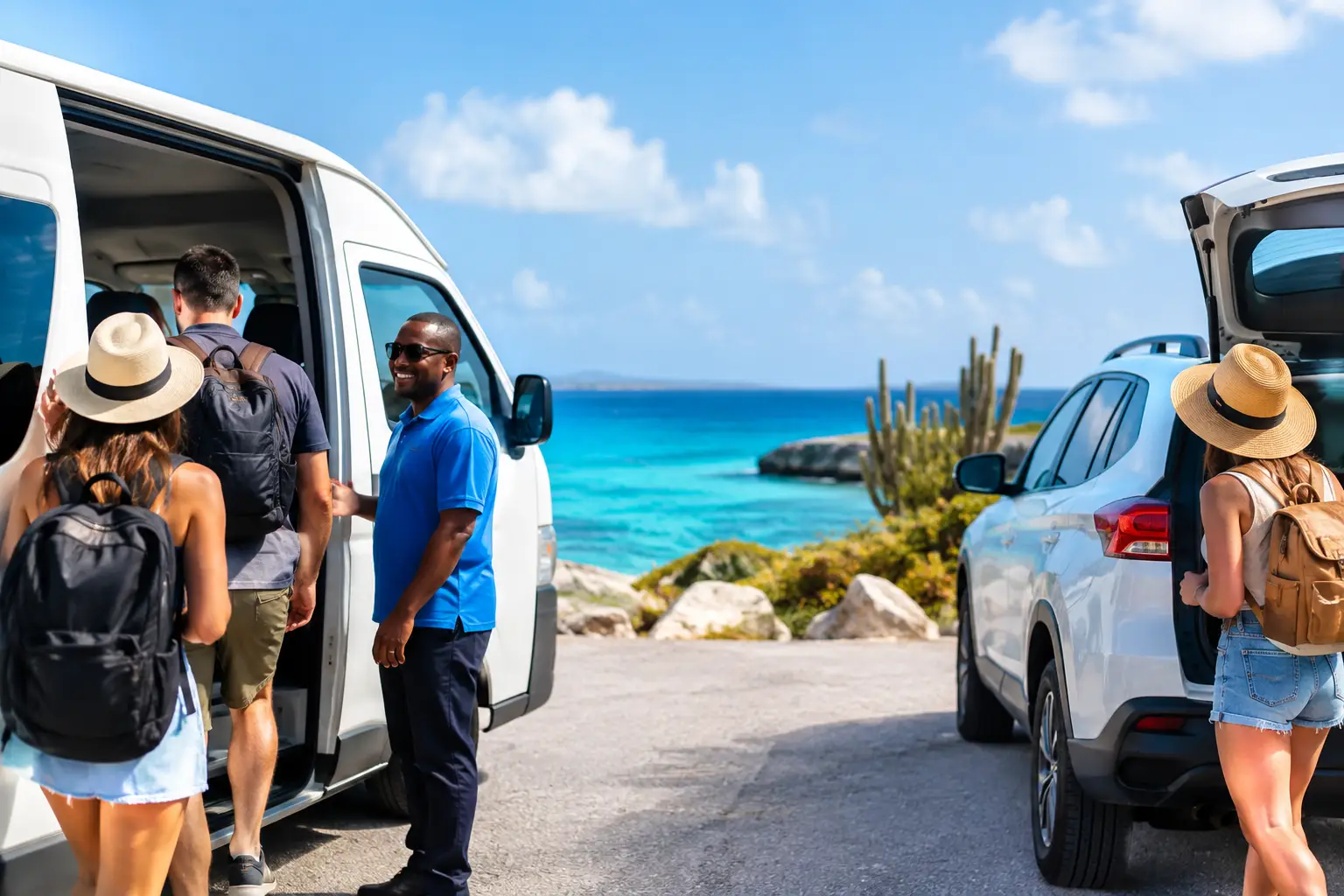
At Bonaire Rent a Car, the goal is to help you choose a vehicle that suits your actual vacation, not push you into a category you do not need. Free airport pick-up and drop-off helps you get started without extra arrival logistics, and a helpful team can answer practical questions before you reserve.
Give yourself a little margin when you choose. A car that fits your itinerary, your people, and your gear makes it easier to say yes to one more beach stop, one more sunset drive, or one more day exploring Bonaire at your own pace.