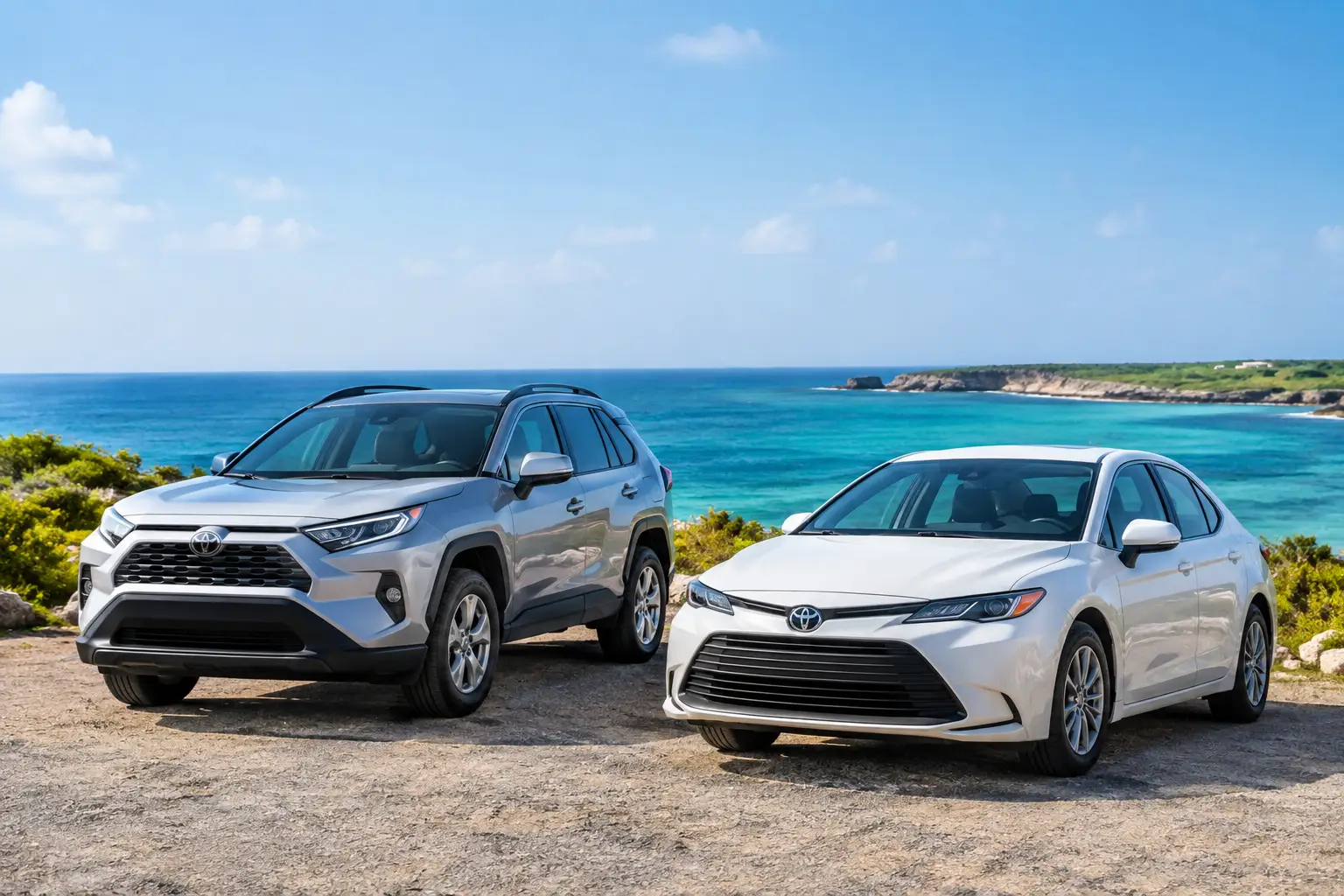


You notice it fast on Bonaire – the roads are part of the adventure. One turn takes you to a quiet beach, the next to a shoreline dive site, and a few minutes later you are heading toward dinner with salt still on your skin. That freedom is exactly why a bonaire driving rules guide helps so much, especially if this is your first trip to the island.
Driving on Bonaire is usually relaxed, but relaxed does not mean casual about safety. The island has its own rhythm, road conditions, and practical habits that are worth understanding before you get behind the wheel. A little local knowledge makes a big difference when you are picking up groceries, heading to a morning dive, or exploring places outside the main tourist areas.
Bonaire driving rules guide: what to know first
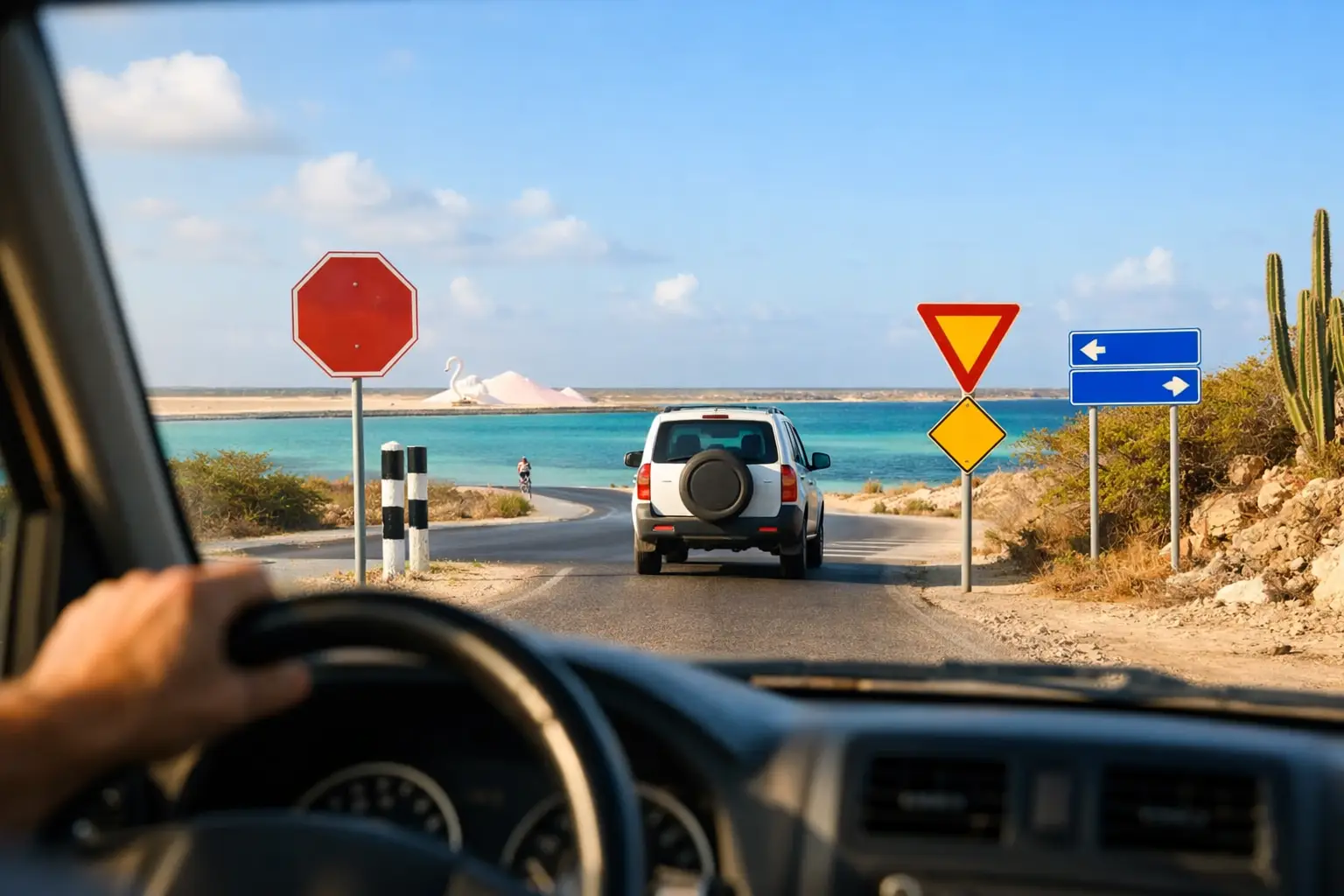
The good news is that driving on Bonaire is straightforward for most US visitors. People drive on the right side of the road, which removes one of the biggest adjustment points travelers face in other island destinations. Road signs are generally easy to follow, and around Kralendijk the layout feels manageable rather than overwhelming.
Still, Bonaire is not a place to drive on autopilot. Some roads are narrow, some surfaces are rough, and not every route feels like a standard US roadway. You may go from paved streets to uneven roads fairly quickly, especially if your plans include beaches, dive spots, or more remote areas.
A valid driver’s license from your home country is generally accepted for visitors. If you are traveling with others, it is smart to decide in advance who will actually drive. That sounds simple, but it helps avoid confusion at pickup and keeps your day moving smoothly.
Speed limits and road pace
One of the easiest mistakes visitors make is assuming island driving means no one cares about speed. In reality, keeping a moderate speed matters a lot on Bonaire. Posted speed limits should always be followed, and even where traffic is light, road conditions may call for going slower than the sign suggests.
In town and residential areas, expect lower limits and more reason to stay alert. Pedestrians, scooters, and unexpected turns are all part of the picture. Outside town, the road may open up, but that does not always mean it is safe to push faster. Loose gravel, potholes, and wildlife can show up with little warning.
If you are heading to popular nature areas or coastal routes, give yourself extra time instead of trying to make up time on the road. That one small choice tends to make the whole day easier.
Watch for goats, donkeys, and road surprises
This is one of those island-specific details that visitors remember quickly. Animals do wander near or onto roads on Bonaire, particularly outside the busiest areas. Goats and donkeys are the usual concern, and they do not move with any sense of urgency just because you are on vacation.
That means nighttime driving deserves extra caution. A road that feels simple during the day can look very different after dark, especially where lighting is limited. If you are returning from dinner or an evening outing, slow down and scan farther ahead than you normally would.
Parking, stopping, and roadside common sense
Parking on Bonaire is often easier than visitors expect, but that does not mean every shoulder or sandy patch is a good place to leave a car. In busier parts of Kralendijk, use marked areas when available and avoid blocking driveways, narrow lanes, or access points.
At beaches and dive sites, parking can be more informal. The key is to park in a way that leaves room for others and does not put the vehicle in a bad spot on uneven ground. If the surface looks soft, rocky, or sharply sloped, take a second look before pulling in. A convenient spot is not very convenient if it is difficult to get back out.
It is also smart not to leave valuables visible inside the vehicle. That advice applies almost anywhere people travel, and Bonaire is no exception. A quiet parking area by the water may feel carefree, but basic caution is still the right move.
Seat belts, phones, and alcohol
A practical bonaire driving rules guide should keep this part simple. Wear your seat belt. Keep your attention on the road. Do not use your phone while driving unless it is completely hands-free and legal to do so. And never drive after drinking.
For many visitors, the bigger risk is not intentional recklessness but vacation-mode decision making. You have a relaxed lunch, maybe a drink in the sun, and the day still has two more stops planned. It is better to pause, switch drivers if possible, or give yourself more time before heading out again.
The same logic applies to distraction. If you are trying to spot a turn for a beach entrance, checking a map, and talking over where to stop for lunch, pull over safely first. Bonaire is not a place where rushing improves anything.
Road conditions are part of the planning
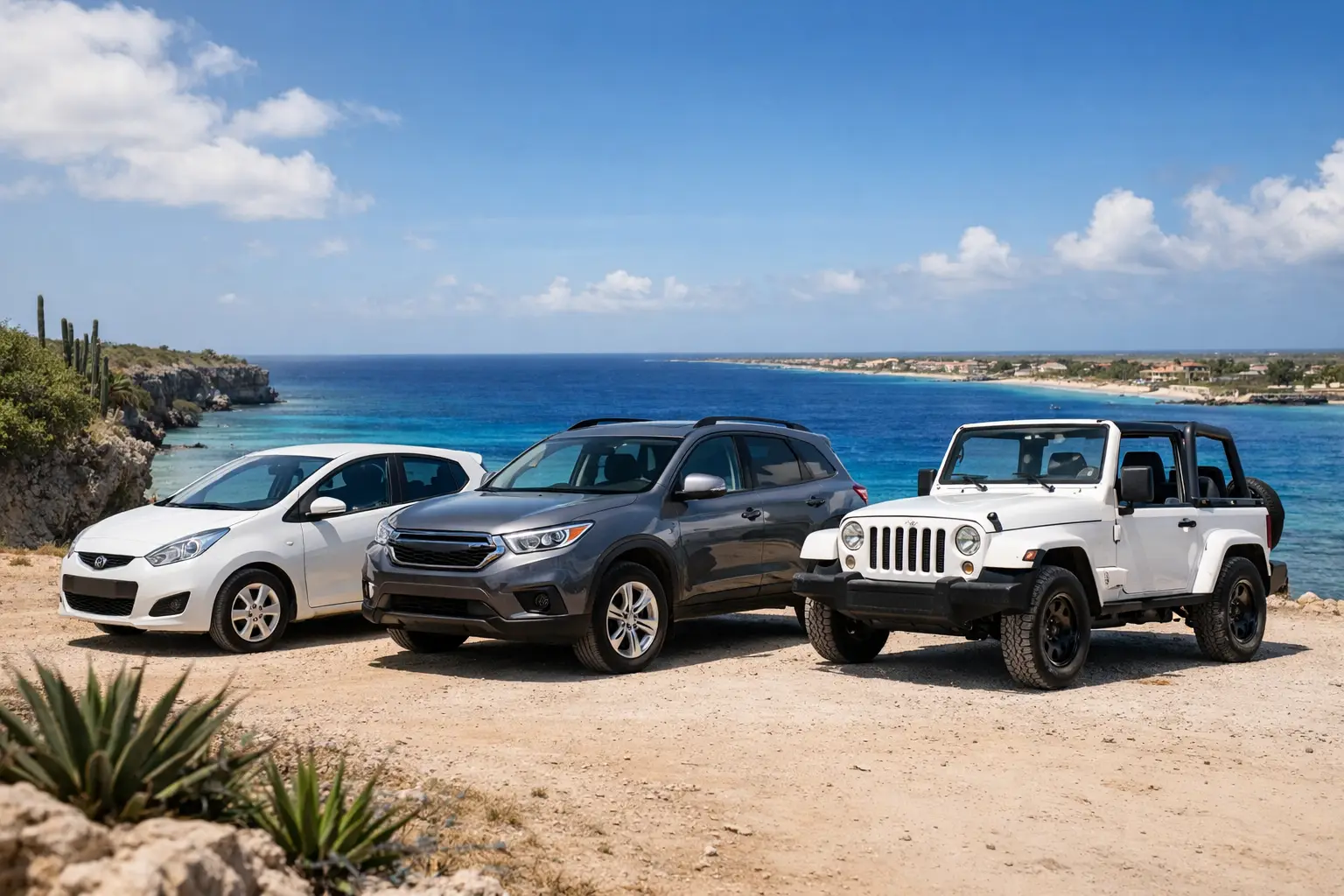
On Bonaire, the kind of day you are planning should shape the kind of vehicle you choose. If most of your trip is centered around town, restaurants, and standard paved routes, a smaller car may be all you need. If your plans include rougher access roads, dive gear, beach hopping, or exploring farther out, more clearance and cargo space can make the experience much easier.
That is not about exaggerating conditions. Plenty of island driving is simple. But there is a real difference between getting from the airport to your accommodation and spending the day moving between coastal sites with tanks, coolers, and bags in the back.
Paved roads versus rough roads
Some visitors hear that Bonaire has rough roads and assume every drive will be challenging. That is not true. Many roads are perfectly manageable. The trade-off is that conditions can change depending on where you go, and some of the most memorable places are not reached by perfectly smooth pavement.
If you are unsure, ask before setting out for the day. A quick local recommendation can save time, prevent frustration, and help you avoid taking the wrong vehicle onto the wrong road.
Right of way and roundabout habits
Intersections on Bonaire are generally less hectic than in large US cities, but staying patient matters. Yield where required, approach roundabouts carefully, and do not assume another driver will move exactly when you expect.
If you are not used to smaller island traffic patterns, the best approach is a calm one. Slow down as you enter unfamiliar intersections, watch what local drivers are doing, and give yourself room to react. Most problems on vacation drives start with small assumptions.
Also remember that scooters, cyclists, and pedestrians may be sharing space in ways that feel less separated than back home. In areas with shops, waterfront activity, or restaurant traffic, expect movement from all directions.
Fuel, navigation, and timing
A smooth day on Bonaire often comes down to a few practical habits. Do not wait until the tank is nearly empty if you know you will be exploring for several hours. Do not assume your phone signal or map will solve every navigation question instantly. And do not pack your schedule so tightly that every delay feels stressful.
Island driving gets easier when you build in breathing room. Leave earlier than needed for a snorkel or dive plan. Check directions before you start moving. If you are heading somewhere remote, make sure you know the route well enough that one missed turn will not throw off the day.
This is also where working with a helpful local rental team matters. Companies like Bonaire Rent a Car understand the difference between a quick town run and a full beach-and-dive itinerary, and that kind of guidance is often more useful than any generic travel tip.
A few mistakes first-time visitors can avoid
Most first-time issues are predictable. People drive too fast on unfamiliar roads, underestimate how dark some areas get at night, or choose a vehicle based only on price instead of how they plan to use it. None of those mistakes are dramatic until they start cutting into vacation time.
Another common one is overconfidence with parking near beaches and shoreline access points. If a spot looks awkward, cramped, or risky on loose ground, keep looking. Saving one minute on parking is rarely worth the hassle.
And finally, do not treat island roads like part of a race between activities. Bonaire rewards slower days. The drive itself is often part of what you came for.
Driving on Bonaire should feel easy, not uncertain
That is really the goal of any bonaire driving rules guide. You do not need to study for an exam before your trip, but you do want enough local context to make good decisions once you arrive. Follow posted rules, respect the road conditions, stay alert for animals and pedestrians, and match your vehicle to your plans.
Once those basics are handled, the island opens up in the best way. You can head to the beach when you want, stop for lunch where it looks good, and make the kind of flexible vacation plans that are hard to pull off without your own transportation. A little care behind the wheel goes a long way toward making every part of Bonaire feel comfortably within reach.