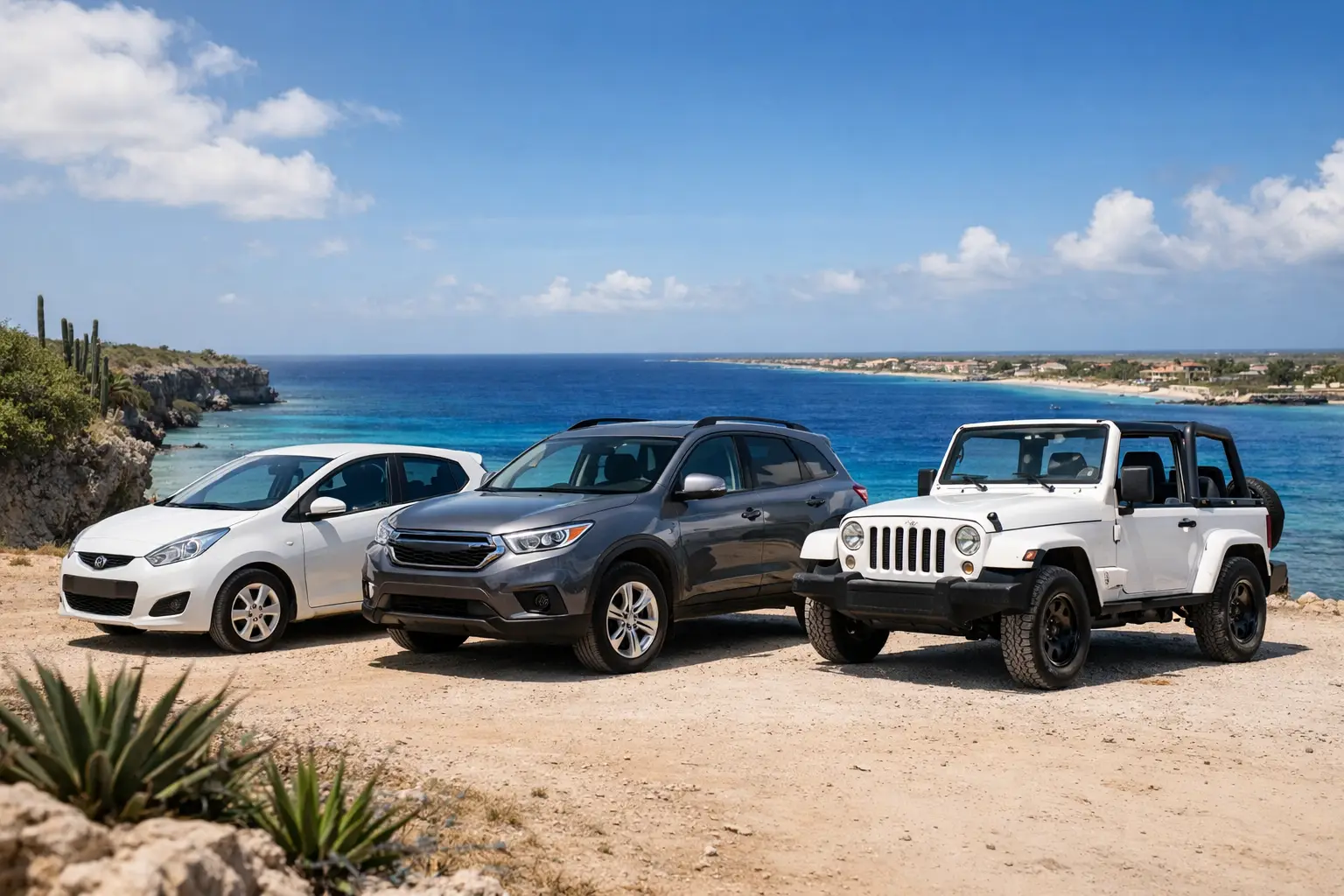


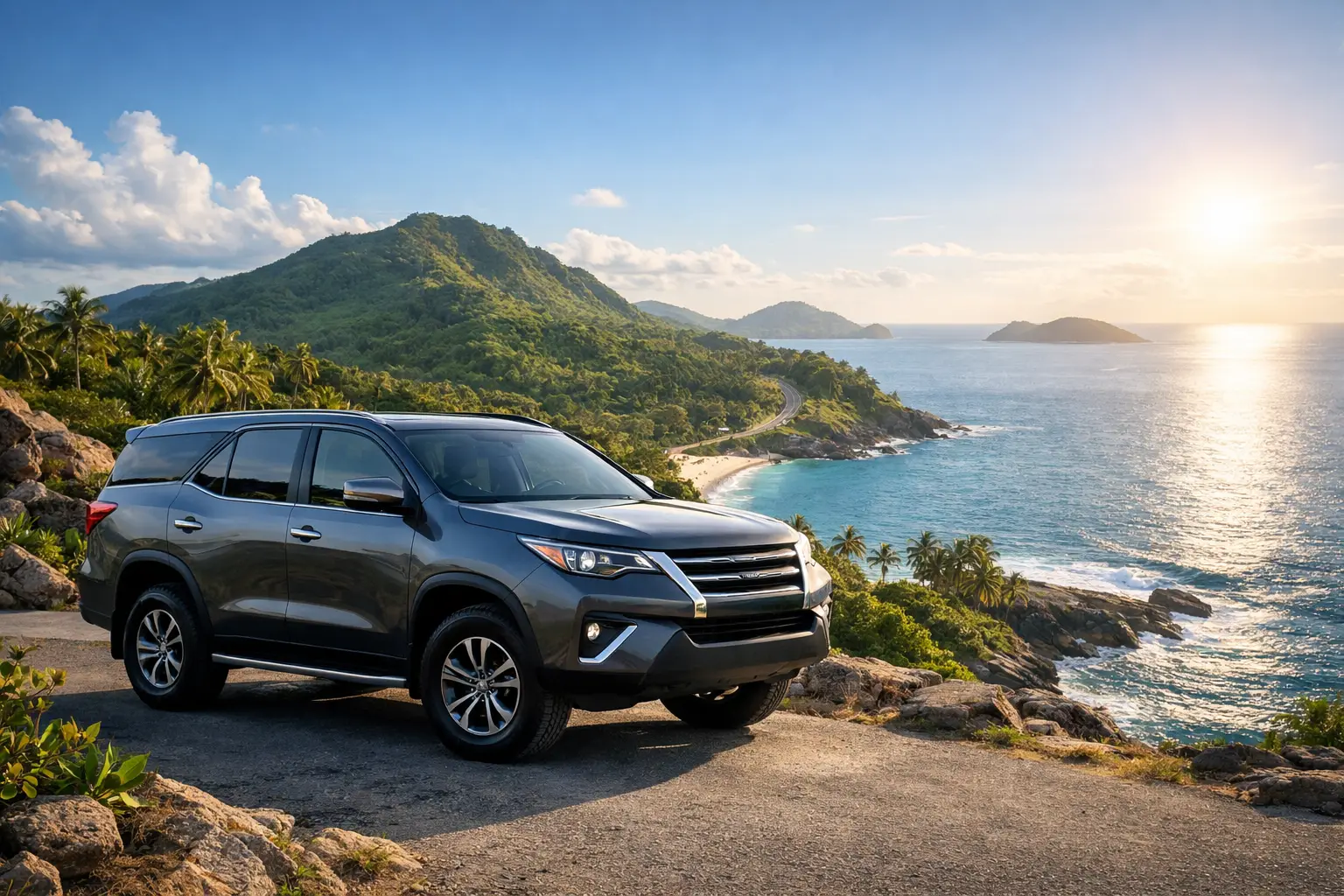
You usually know you picked the wrong vacation vehicle the moment the road turns rough, the beach gear starts sliding around in back, and everyone in the car gets quiet for the wrong reason. If you’re trying to choose SUV for island driving, the best choice is rarely the biggest or most expensive one. It is the one that fits your plans, your group, and the kind of roads you’ll actually use.
On an island like Bonaire, that matters more than people expect. A day might start with breakfast in town, move on to a dive site, continue to a beach stop, and end with dinner across the island. That kind of flexibility is exactly why many travelers book an SUV in the first place. But not every SUV is the right match for every trip.
Why choose SUV for island driving at all?
An SUV makes sense when your vacation includes more than simple hotel-to-restaurant driving. If you’re carrying snorkel bags, beach chairs, dive gear, groceries, or extra passengers, the extra space quickly becomes useful. The higher ride height can also feel more comfortable on uneven roads, potholes, and less polished stretches outside the busiest areas.
That said, an SUV is not automatically the smartest option for every visitor. If you’re traveling as a couple, packing light, and mostly staying near central areas, a smaller car may do the job just fine. The right decision depends on how you plan to spend your time, not just what looks good in the parking lot.
Start with your real itinerary
Before you compare vehicle classes, think about where you’ll actually drive. This is the fastest way to narrow down the right fit.
If your trip includes beach hopping, frequent dive site stops, or visiting more remote parts of the island, an SUV can make those days easier. You get more room for gear and a vehicle that generally feels better suited to mixed road conditions. If you’re mostly going between your accommodation, town, and a few nearby restaurants, you may not need that extra size.
Families often benefit from an SUV because vacation gear adds up fast. A stroller, cooler, towels, and a few backpacks can fill a trunk sooner than expected. Friend groups also tend to appreciate the extra cargo room, especially when everyone insists their bag is “not that big.”
Size matters more than most travelers think
One of the biggest mistakes people make when they choose SUV for island driving is assuming larger always means better. More space is helpful, but too much vehicle can feel unnecessary if you’re driving with only one or two people.
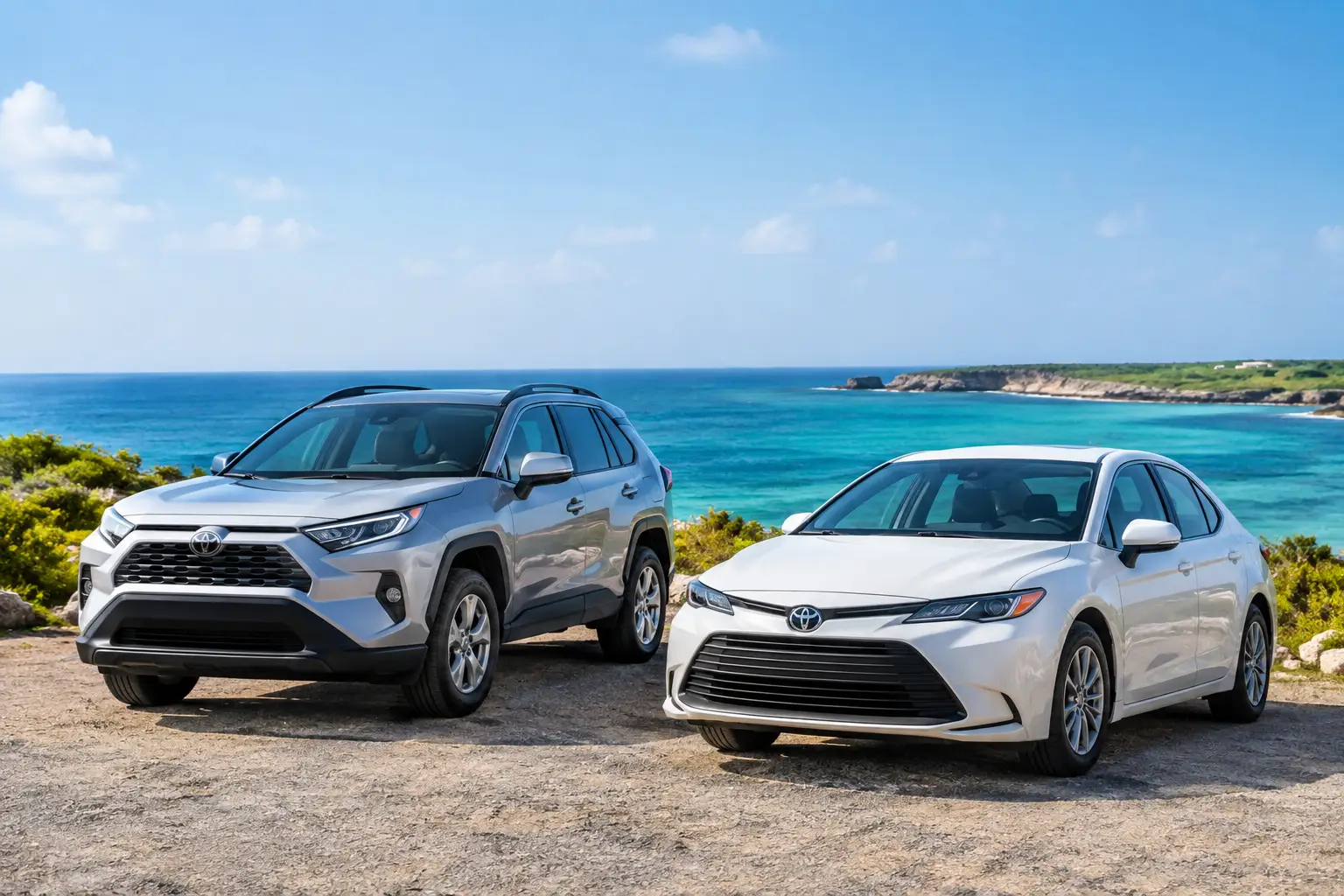
A compact or midsize SUV is often the sweet spot for island travel. It gives you better cargo flexibility than a standard sedan without feeling oversized. That can make parking, turning, and everyday driving less stressful, especially if you’re not familiar with the island yet.
A larger SUV can still be the right call for bigger families or groups with lots of equipment. Just make sure you’re choosing it for a practical reason. If your luggage count, passenger count, and activity plans don’t justify the extra size, you’re likely paying for capacity you won’t use.
Think beyond passengers and count the gear
Seats are only part of the equation. Cargo space is what often decides whether an SUV feels like a great choice or an annoying compromise.
For island vacations, gear has a way of multiplying. Dive tanks, fins, masks, beach bags, water shoes, towels, groceries, camera bags, and day packs all compete for room. Even if a vehicle technically fits five adults, that does not mean it comfortably fits five adults plus luggage and activity gear.
This is especially true for divers. If your plans involve regular gear transport, be honest about what needs to fit in the vehicle at the same time. A little extra room goes a long way when you’re loading up early in the morning and don’t want to play trunk Tetris before coffee.
Road conditions should shape your choice
Island driving can change quickly from smooth paved roads to rougher surfaces. That does not mean every route requires a rugged vehicle, but it does mean comfort and clearance matter.
If your itinerary includes less-developed roads, nature areas, or frequent detours to beaches and dive spots, an SUV may simply feel more appropriate. The ride is often more forgiving, and getting in and out with gear is easier than it is in a low sedan.
Still, this is where balance matters. You don’t need to overestimate your needs. Plenty of visitors hear “island driving” and picture extreme terrain. In reality, the smartest approach is to match the vehicle to the roads you’re likely to use most often, not the one adventurous afternoon you may or may not have.
Comfort counts on vacation
A rental vehicle should make the trip easier, not become one more thing to manage. That is why comfort deserves a real place in your decision.
An SUV can give passengers more room to stretch out, which is especially helpful for longer days on the road or groups with mixed ages. If you’re traveling with kids, older family members, or anyone who appreciates easier entry and exit, that higher seating position can be a genuine plus.
Climate control, supportive seats, and space to keep personal items handy also matter more than people think on warm-weather trips. You may only be driving short distances at a time, but when you’re in and out of the car all day, comfort adds up.
Budget matters, but value matters more
It is smart to compare prices, but the cheapest rental is not always the best fit, and the most expensive one is not always the best value. The better question is what problem the vehicle solves for your trip.
If an SUV means everyone rides comfortably, your gear fits without stress, and you can reach the places you actually want to visit, the extra cost may be worth it. If you upgrade only because it sounds safer or more premium, but your plans are simple, that money may be better spent elsewhere.
A good island rental experience is really about reducing friction. Easy pickup, a straightforward reservation process, and clear vehicle categories often matter just as much as the class of car itself. That is one reason travelers appreciate working with a local company like Bonaire Rent a Car. The guidance tends to be practical, not pushy.
When an SUV is probably the right choice
An SUV is usually a strong option if you are traveling with three or more adults, carrying a lot of beach or dive gear, planning to explore beyond the main town areas, or wanting a little more flexibility in how you spend each day. It is also a smart pick if you simply don’t want to feel cramped during a busy vacation.
For couples or solo travelers, the decision is a little more situational. If you pack light and keep your itinerary simple, a smaller vehicle may be all you need. But if you want extra room, easier loading, and confidence for mixed road conditions, an SUV can still be a very good choice.
A simple way to make the decision
If you’re stuck, use this quick test. Picture your biggest day out on the island, not your easiest one. Count the people, the bags, the gear, and the type of roads involved. Then ask whether you want to spend that day squeezing into a smaller car or moving through it with a little more room and less effort.
That usually gives you the answer.
The best SUV choice is not about getting the largest vehicle available. It is about giving yourself enough space, comfort, and practicality to enjoy the island without thinking too much about the car. And that is exactly how vacation transportation should feel – simple, reliable, and ready when you are.
When in doubt, choose the vehicle that fits your real plans, not your imagined ones. Your future self, loading wet towels and gear after a long beach day, will be glad you did.