

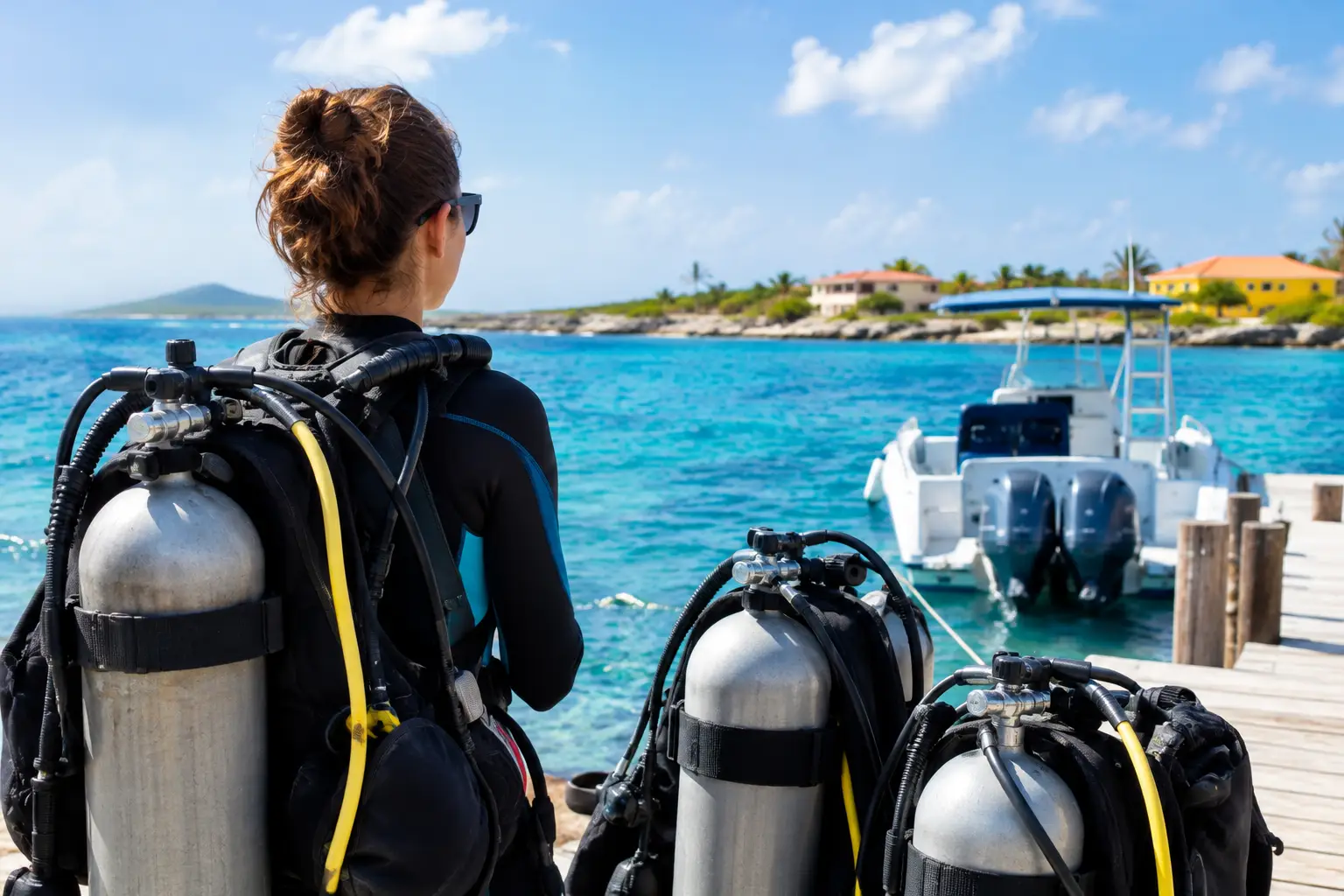
A Bonaire dive day can start before breakfast, with tanks loaded, masks rinsed, and a favorite shore entry in mind. That freedom is exactly why Bonaire dive logistics deserve a little planning before you land. The right vehicle, a sensible tank routine, and a realistic daily plan make the difference between spending vacation time coordinating rides and spending it underwater.
For many visiting divers, the practical question is simple: how will everyone, their gear, and their tanks get from the airport or hotel to the dive sites they want to visit? On an island known for shore diving, having your own transportation gives you control over that answer.
Start Bonaire Dive Logistics With Your Dive Style
Your vehicle needs depend less on the number of people in your group than on how you plan to dive. A couple doing one relaxed shore dive per day may be comfortable in a smaller car if their dive operation handles tank delivery and most gear stays at the resort. A group of friends making two or three shore dives, carrying cameras, fins, coolers, and tanks will usually appreciate more cargo room.
Think through your normal dive-day load before choosing a rental category. Include BCDs, regulators, wetsuits or rash guards, fins, masks, towels, drinking water, snacks, dry bags, and any camera equipment. Then account for tanks. Even compact dive gear takes up more room when it is wet, sandy, and packed for a full day outside.
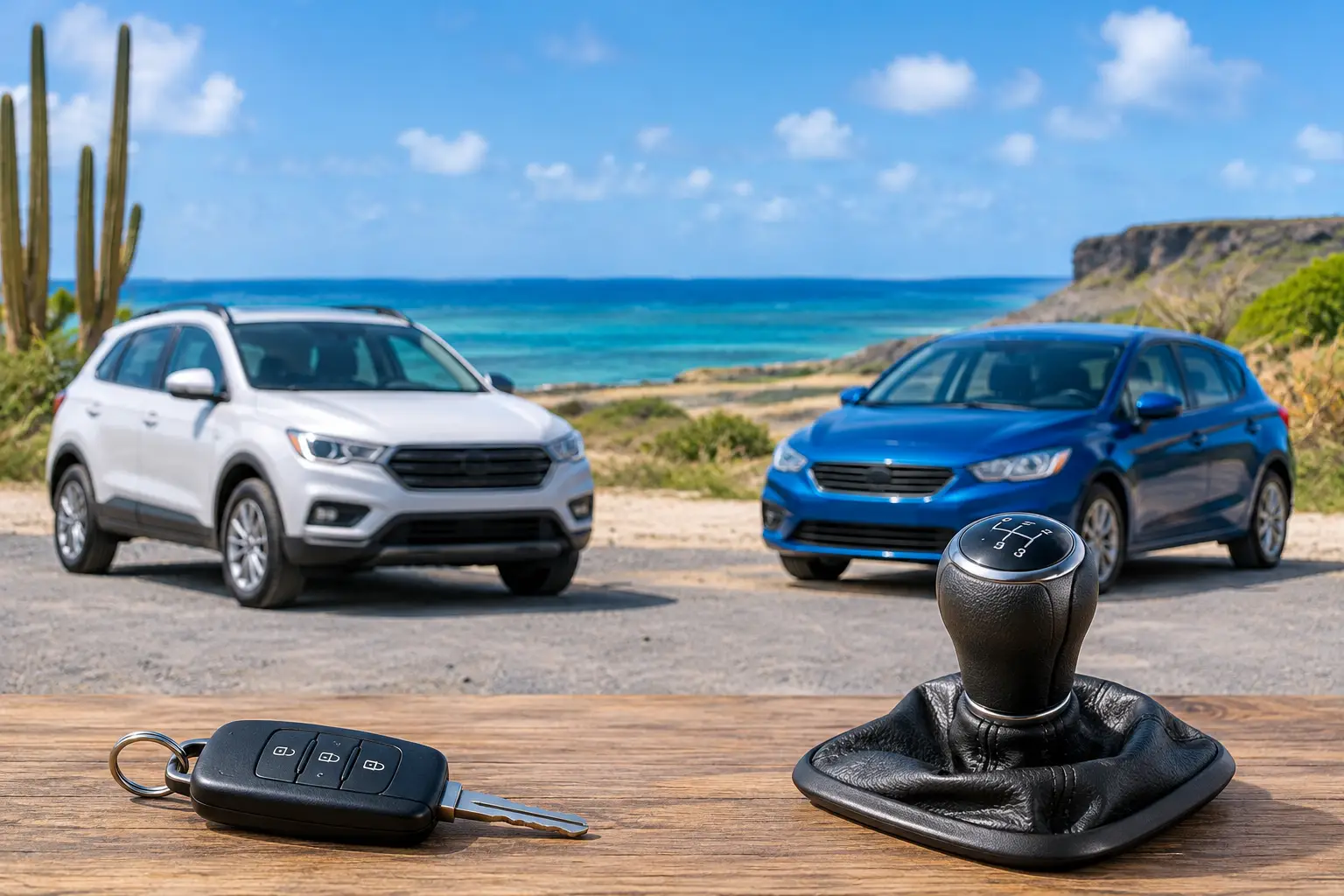
A sedan can work well for light packing and shorter drives. An SUV or pickup is often a better match for divers who want room to separate wet gear from personal bags, carry tanks more comfortably, or visit less-developed parts of the island. The best choice is not always the largest vehicle. It is the one that gives your group enough space without turning parking and daily driving into a hassle.
Choose a Vehicle That Fits Tanks and Terrain
Pickups are popular with Bonaire divers for a reason. They make it easier to transport tanks and keep wet equipment out of the passenger area. If you book one, ask your dive shop how it prefers tanks to be secured and follow its guidance. Tanks should not be left loose to roll around while driving.
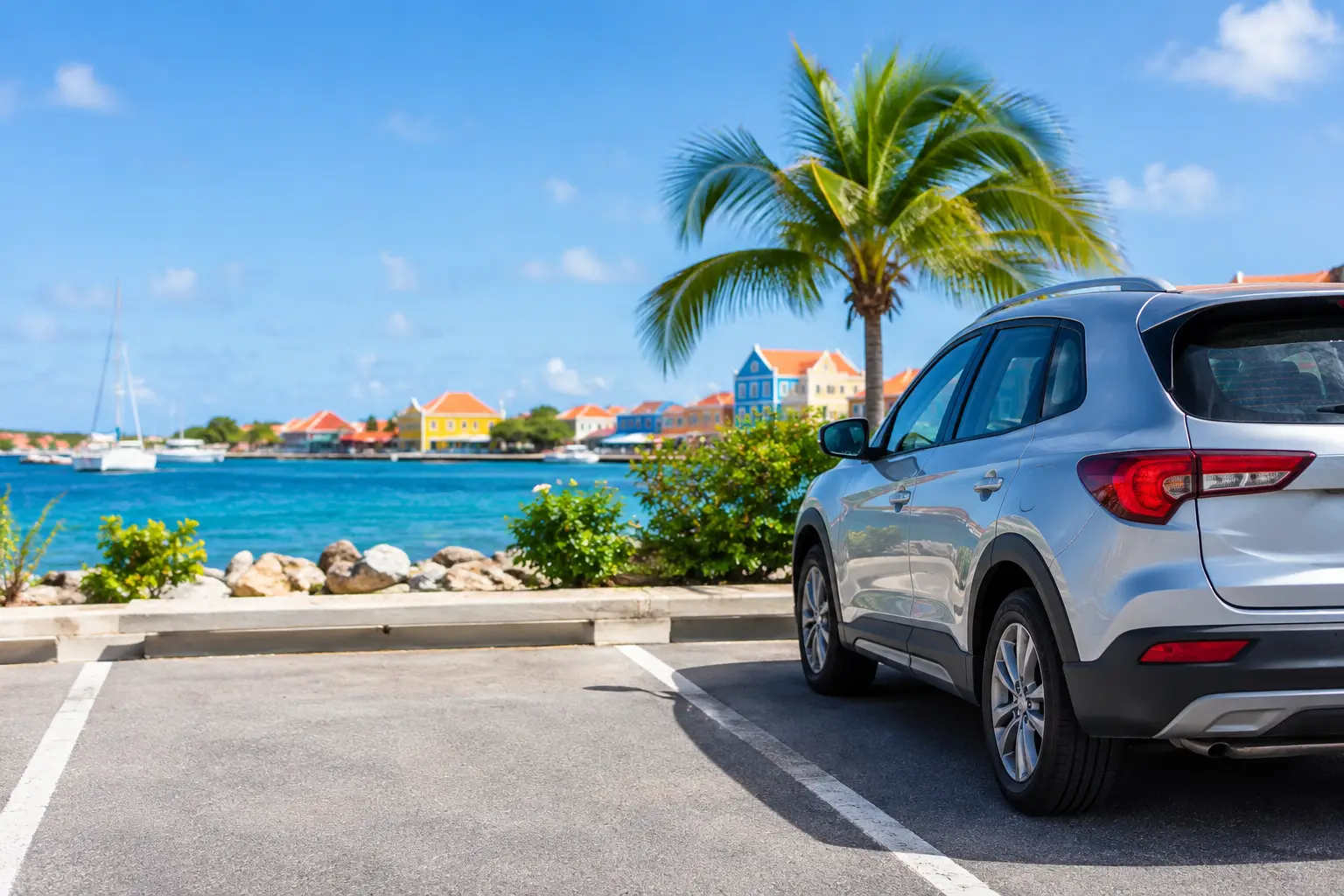
An SUV can be a great middle ground for couples or families who need enclosed cargo space and a comfortable ride. It is especially practical if you are mixing diving with beach days, restaurants, Washington Slagbaai National Park, or sightseeing. A smaller car can still be the right call if you are traveling light and using a full-service dive operator, but be honest about how much equipment you intend to move yourself.
Bonaire’s roads range from paved routes near town to rougher, more uneven stretches around remote sites. You do not need to turn every day into an off-road expedition, but ground clearance and a vehicle suited to your plans can reduce stress. If a particular dive site is on a rough road, check current local advice before setting out. Conditions, access, and parking areas can change.
At Bonaire Rent a Car, the fleet includes economy cars, sedans, SUVs, and pickups, so you can select for your actual trip rather than paying for space you will never use. Booking early is smart during busy travel periods, especially when you have a strong preference for a pickup or larger vehicle.
Coordinate With Your Dive Operator Before Arrival
Your dive operator is your best source for current details about tank pickup, drive-through service, guided dives, equipment storage, and site recommendations. Reach out before your flight, particularly if you are arriving late, traveling with a large group, using nitrox, or bringing specialty gear.
Ask whether tanks can be collected the afternoon before your first dive or whether pickup begins that morning. That answer shapes your arrival-day plan. Some divers prefer to settle in, assemble gear, and make their first dive the following morning. Others want to start right away. Either can work, but only if your rental pickup and dive operation hours line up.
It also helps to clarify whether your dive package includes unlimited air or nitrox, how returns are handled, and what to do with tanks between dives. Do not assume you can leave them anywhere. Your operator can explain the appropriate routine for their facility and the sites you plan to visit.
If you are checking out of one accommodation and moving to another during the week, plan where your gear and tanks will go that day. A little coordination prevents the awkward situation of having a fully loaded vehicle while you are waiting for a room to be ready.
Build a Practical Daily Dive Routine
The most enjoyable shore-diving days usually have a simple rhythm. Load the vehicle before leaving your accommodation, confirm you have enough water and sun protection, check the site conditions, and decide where your surface interval will happen. Bonaire rewards flexibility, but flexibility works best when the essentials are already covered.
Before driving away, do a quick gear check. Confirm that each diver has a mask, fins, exposure protection, dive computer, weights, SMB if used, and water. Look over your tanks and valves according to the practices you learned from your operator. Secure everything before the vehicle moves.
Avoid leaving valuables visible in the car. Bring only what you need to the beach, keep phones and wallets out of sight, and use a dry bag for essentials. This is not about being alarmist. It is simply good travel practice, especially when you will be in the water and away from the vehicle.
Parking at shore sites can be informal and limited. Pull fully off the road where possible, avoid blocking entrances or traffic, and respect any posted restrictions. Be considerate of nearby homes, other divers, and local drivers. A quiet arrival and departure helps protect the relaxed feeling that makes Bonaire special.
Plan Your Route, Not Just Your Favorite Sites
It is tempting to build a list of the island’s most talked-about dive sites and race through it. A better approach is to group sites by area and let wind, current, comfort level, and local advice guide the day. Choosing two nearby sites leaves more time for an unhurried surface interval, lunch, and the occasional change of plans.
North and south can feel like very different days behind the wheel. If your group wants to combine diving with sightseeing, schedule routes that make geographic sense. A southern day might include salt flats and a beach stop; another day may be better reserved for northern sites and a slower drive back toward Kralendijk.
This approach matters for fuel, too. Start with enough fuel for your plans rather than assuming a station will be convenient after a late dive. Returning the car with less sand and clutter also makes the end of the trip easier. Shake out mats, remove trash, and let wet gear drain before loading it for the final drive.
Respect the Reef and Your Own Limits
Good logistics are not only about transportation. They also protect your diving. Bonaire’s reef system depends on visitors treating shore entries, coral, and marine life with care. Follow the local marine park rules, use only approved access points, and never stand on or touch coral. Your dive operator can explain required orientation, tags, and current regulations.
Give yourself room to make conservative decisions. Wind direction, surge at an entry, fatigue, and a new buddy’s comfort level can all justify choosing an easier site or skipping a dive. A rental car gives you options, but it should never create pressure to force a plan because you have already driven across the island.
For night diving, add extra margin. Know the route back before dark, pack lights and backups as appropriate, and avoid rushing your return with wet gear and tired divers. If your flight home is approaching, follow sensible no-fly guidance from your training agency and dive operator rather than trying to squeeze in one more dive.
Make Arrival and Departure Part of the Plan
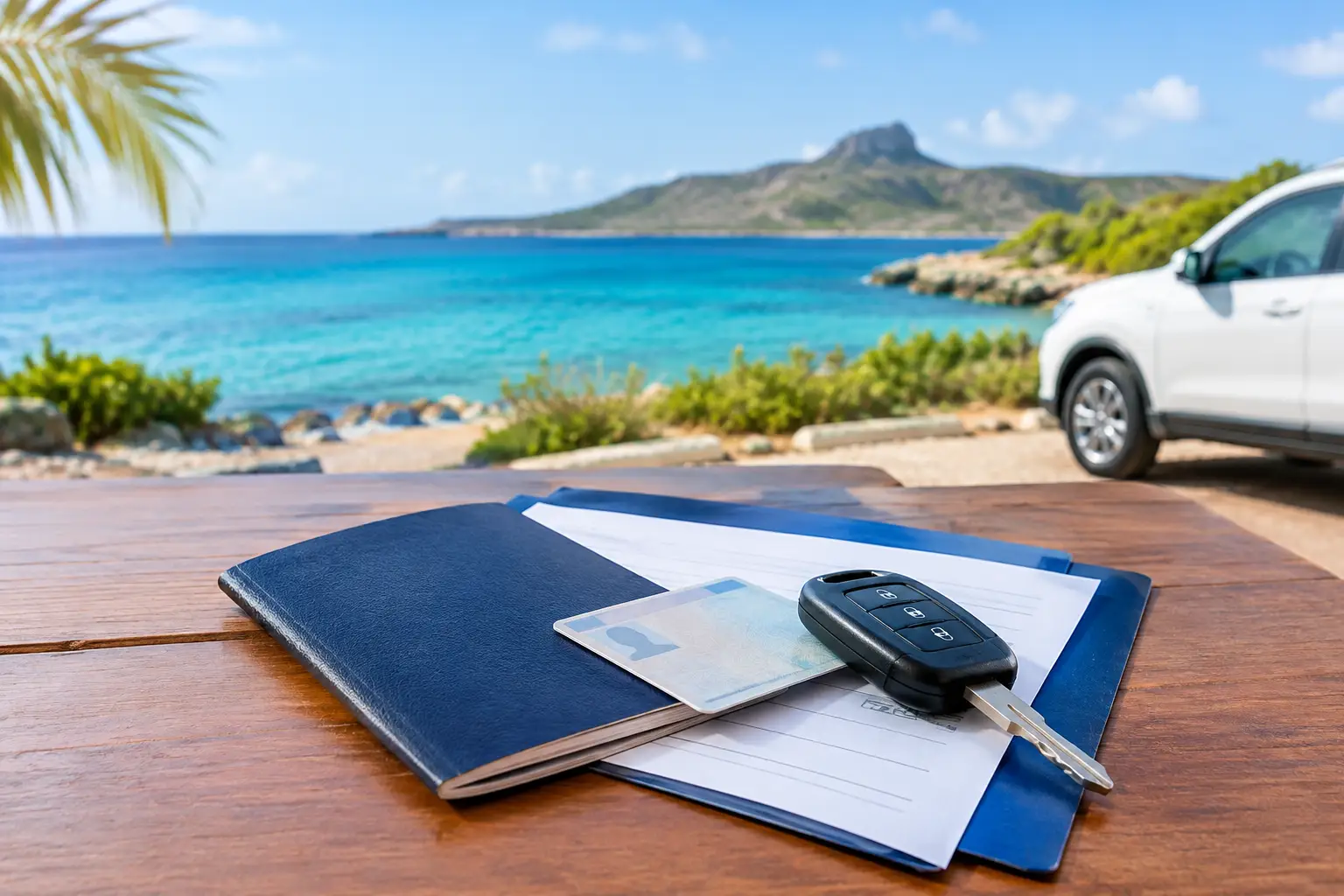
Airport transportation is easy to overlook until you are standing outside with luggage, carry-ons, and dive bags. Arrange your vehicle pickup around your flight details and ask what happens if your arrival time changes. A personal handoff can be especially helpful on a first Bonaire trip, when you may want a quick explanation of local driving, fuel, and directions to your accommodation.
On departure day, work backward from your flight. Leave time to return tanks to the dive operator, rinse and pack equipment, refuel if required, and get to the airport without a last-minute scramble. If you have a late flight, ask ahead about your vehicle return options instead of assuming they will fit your schedule.
The goal is not to plan every minute. It is to remove the few avoidable obstacles that can interrupt a great week of diving. With the right vehicle, clear coordination, and a little room for changing conditions, your day can stay focused on the part you came for: an easy walk into warm water and a reef waiting just offshore.