

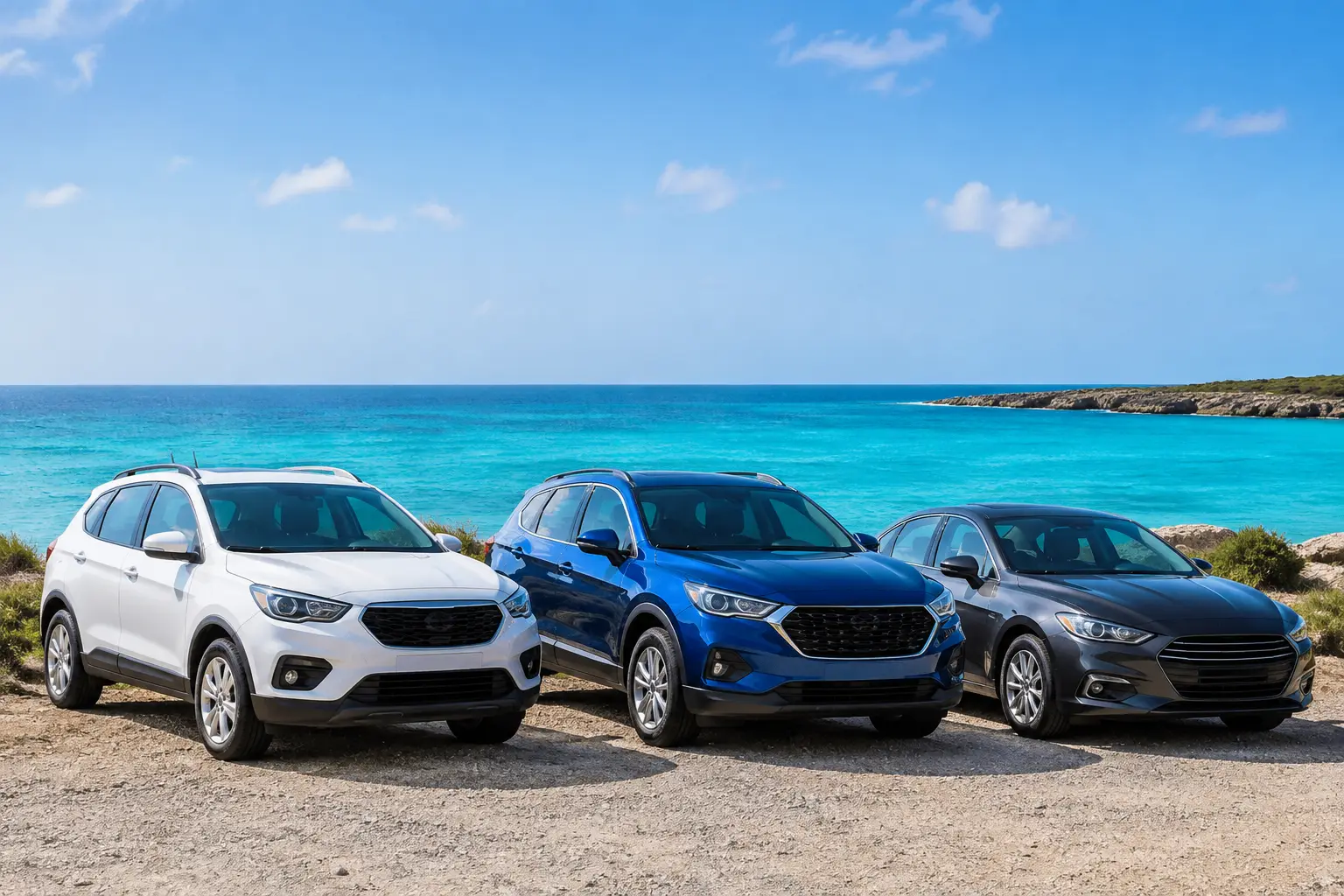
The right vehicle can shape your Bonaire vacation more than most travelers expect. This Bonaire car class comparison starts with the places you want to reach: easy beach stops near town, a day at Washington Slagbaai National Park, restaurant evenings, or repeated trips with dive tanks and wet gear. A rental that feels perfect for a couple traveling light may feel cramped after two days of loading snorkeling bags, coolers, and groceries.
Bonaire is wonderfully easy to explore by car, but it is not one-size-fits-all. Roads around Kralendijk and the main coastal routes are straightforward, while some routes beyond town are rougher, narrower, or unpaved. Choosing the right class is less about getting the biggest vehicle available and more about matching your rental to your passengers, luggage, gear, and plans.
Start With How You Will Use the Car
Before comparing vehicle classes, picture a typical day on the island. Will you leave your accommodation with just towels and sunglasses, or will you carry scuba gear, tanks, a stroller, beach chairs, and groceries? Are you planning to stay close to the southern beaches, or do you want the confidence to head north and explore more remote scenery?
A smaller car is often the sensible choice for travelers who want simple transportation between the airport, their hotel or villa, beaches, and restaurants. A larger vehicle makes more sense when carrying capacity and road clearance matter. The best choice depends on your itinerary, not just the number of seats.
Keep luggage in mind on arrival day
Many visitors focus on passenger count and forget about suitcases. Two people can fit comfortably in an economy car, but two large suitcases, carry-ons, and dive bags can change the equation. If you are arriving with a lot of equipment or traveling with a group, moving up one class can make the first and last day of your trip much easier.
Economy Cars: Best for Light, Simple Island Days
Economy cars are a practical fit for solo travelers and couples with light luggage. They are easy to park around town, efficient for everyday driving, and well suited to paved roads, beach visits, dining reservations, and short sightseeing drives.
This class works particularly well if you are staying in or near Kralendijk and plan to travel with minimal gear. It is also a comfortable choice for travelers who prefer a smaller vehicle and do not need extra cargo room.
The trade-off is space. An economy car is not the ideal match for several adults, bulky dive equipment, or a schedule built around rougher roads. If you expect to pack heavily or make frequent gear-hauling trips, a sedan, SUV, or pickup may offer a less cramped vacation.
Sedans: A Comfortable Step Up for Couples and Small Families
A sedan offers more room than an economy vehicle without feeling oversized for everyday island driving. It is a strong middle-ground choice for couples who want extra luggage space, small families, or friends sharing a rental and planning mostly paved-road travel.
Choose a sedan when comfort matters as much as getting from place to place. You may appreciate the additional room after a flight, on longer drives around the island, or when you are bringing beach bags and groceries along for the day.
Like economy cars, sedans are generally best for regular road use rather than routes that call for higher clearance. They can handle the relaxed rhythm of beach hopping and dinner outings very well, but they are not the first choice for travelers whose plans center on rugged terrain or transporting heavy dive loads.
SUVs: More Room for Families, Gear, and Flexibility
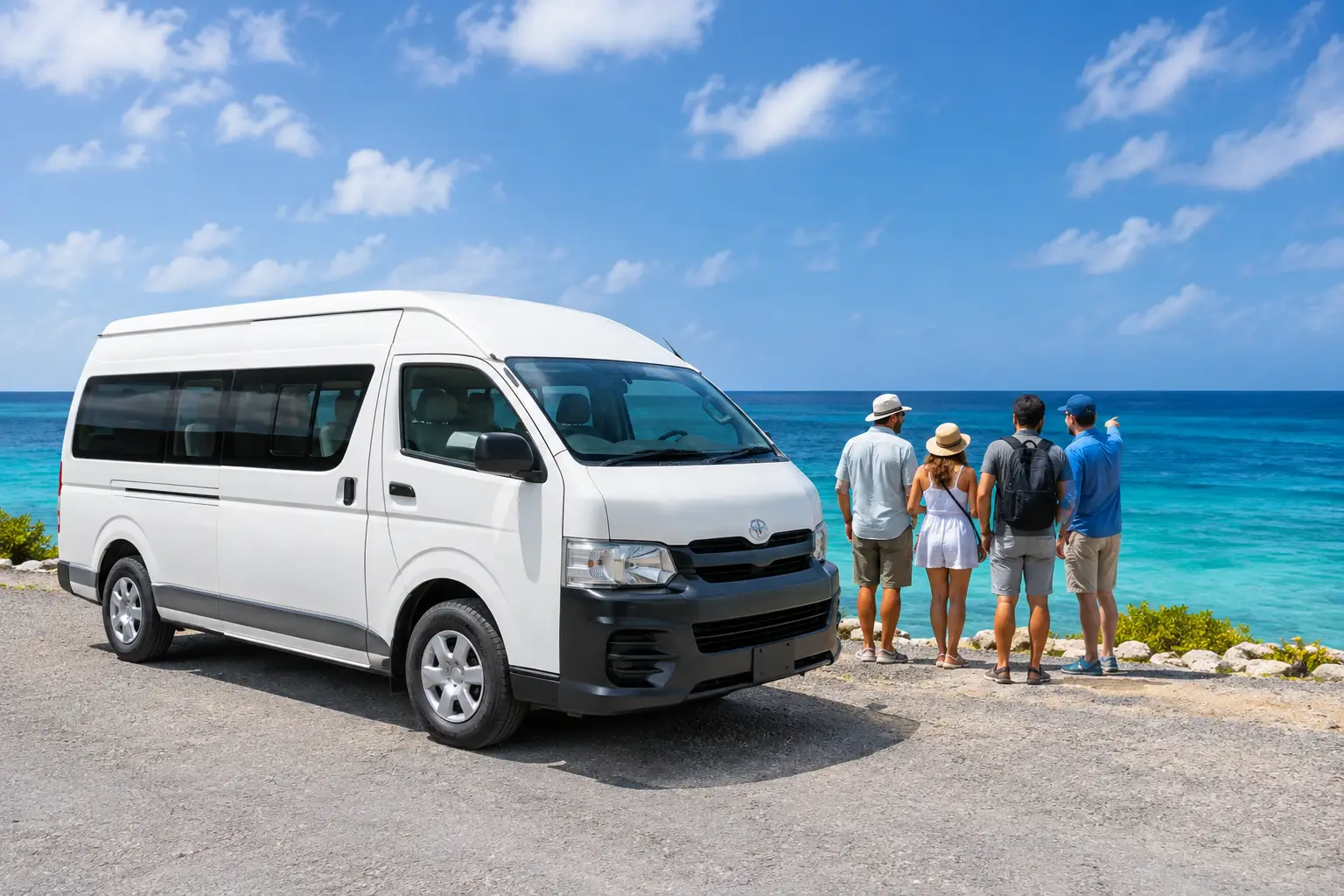
SUVs are popular with families and groups because they combine passenger space with useful cargo capacity. If your trip includes children, multiple suitcases, snorkeling gear, coolers, or a mix of beach days and sightseeing, an SUV can reduce the daily puzzle of fitting everything inside.
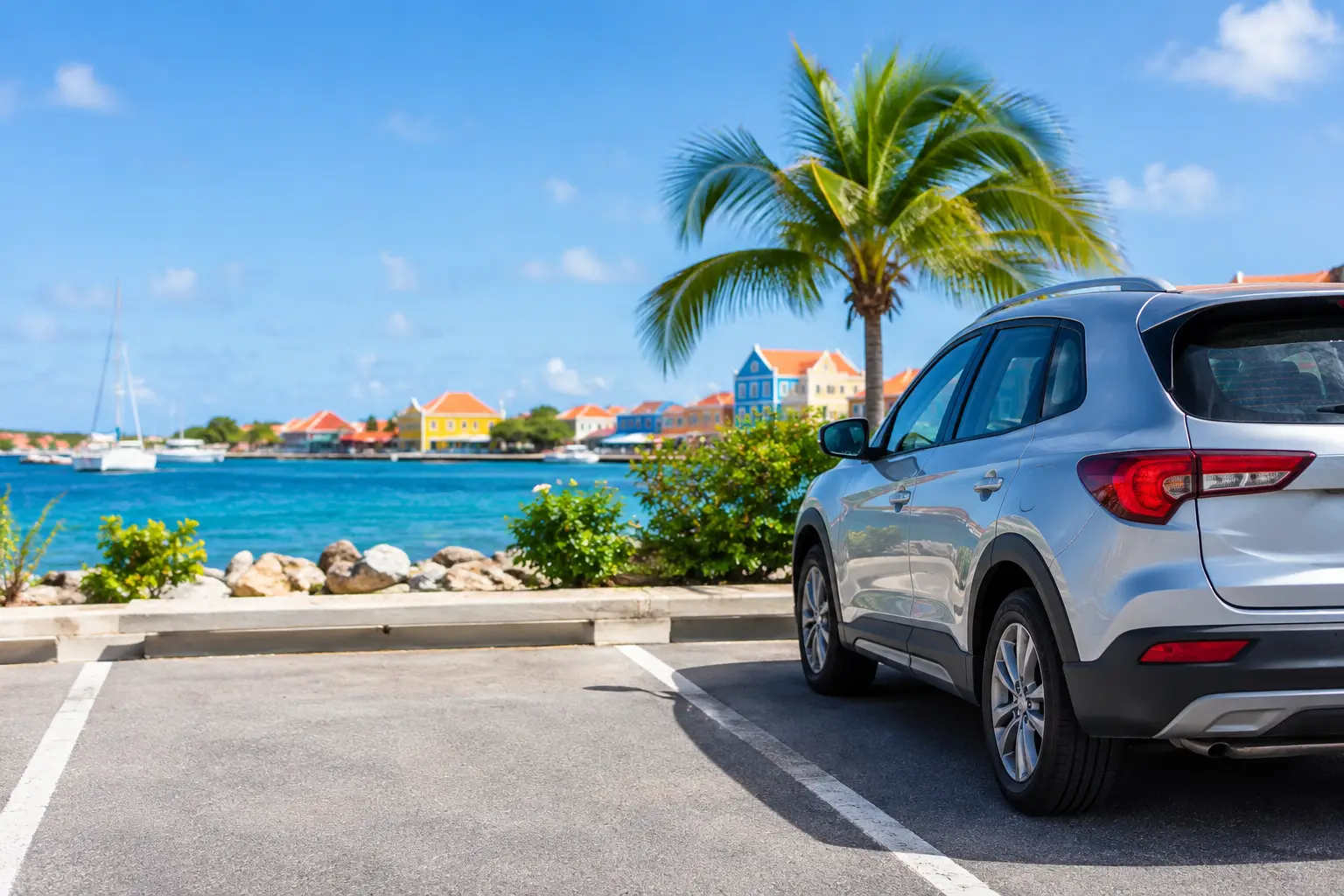
The higher seating position is another reason some visitors prefer this class. It can make longer drives feel more comfortable and offers a better view of the road when you are getting used to the island. For travelers who want one vehicle that can cover a wide variety of vacation plans, an SUV is often the easy answer.
Still, bigger is not automatically better. SUVs can be more than a couple needs for a simple hotel-and-beach itinerary, and a smaller class may be easier to park and more economical. Think of an SUV as the right choice when its extra space will be used, not simply because it is available.
Pickups: The Practical Choice for Dive Gear and Active Trips
A pickup is built for travelers whose vacation comes with equipment. Divers often appreciate a dedicated cargo bed for tanks, fins, wetsuits, rinse bins, and other gear that can be sandy, wet, or cumbersome inside a passenger vehicle. It can also be a useful option for groups carrying beach supplies, fishing equipment, or larger loads.
For Bonaire’s shore-diving community, this convenience can make a real difference. Loading gear is quicker, and the cabin stays more comfortable for passengers. Pickups also provide useful flexibility when your itinerary includes a mix of dive sites, scenic stops, and longer days outside your accommodation.
The main consideration is how much passenger comfort you need. Pickup configurations vary, so check the number of seats and the cab style before reserving. If you are traveling with a full group, make sure both people and gear have enough room. Secure all cargo properly and protect gear from sun, wind, and rain when necessary.
Deluxe pickups: More space, more comfort
A deluxe pickup is a good match for travelers who want the utility of a truck without giving up as much cabin comfort. This class can be especially appealing for dive buddies, families with active plans, or visitors carrying gear while still wanting a more spacious ride between stops.
It is worth considering when you expect to spend many hours in the vehicle or have a heavier load each day. The added capability is useful, but it may be unnecessary for a couple with two suitcases and a beach bag. Reserve it because your trip calls for it, not because it sounds adventurous.
Specialty Options: When a Classic Land Cruiser Fits the Plan
A classic Land Cruiser is for travelers who want a distinctive island-driving experience and have plans that justify a more capable vehicle. It can be an appealing choice for exploring areas where road conditions are less polished and for visitors who value classic character alongside practical utility.
This is not simply a larger rental. Specialty vehicles may have different handling, features, and operating considerations than a modern sedan or SUV. Ask questions before booking, understand where the vehicle is permitted to go, and be realistic about your comfort level behind the wheel. Road conditions, insurance terms, and rental rules should always guide your route choices.
How to Choose Between Car Classes
If you are still deciding, use your heaviest day as your test. Imagine the day when everyone has luggage, groceries, dive equipment, or beach supplies in the car at once. If the vehicle sounds tight on that day, it will probably feel tight for the rest of the trip too.
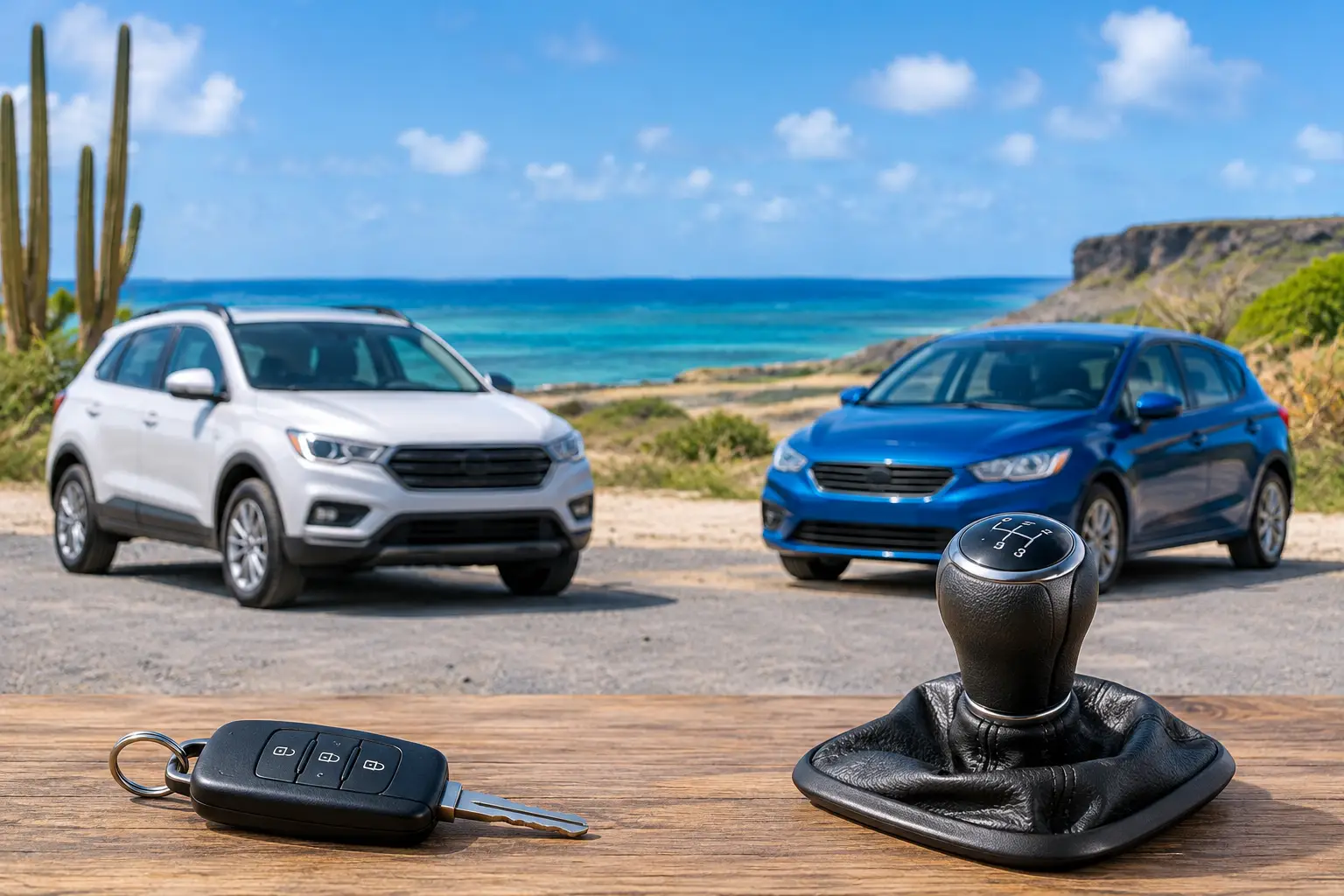
For a quick match, economy cars suit light travelers and straightforward paved-road plans. Sedans add comfort and luggage room for couples and small families. SUVs provide flexible space for families and groups. Pickups are especially useful for divers and equipment-heavy adventures, while deluxe pickups add more cabin comfort. A classic Land Cruiser is best reserved for travelers who specifically want its character and capability.
Make Arrival Easy, Then Enjoy the Island
Your rental experience should start without a complicated airport transfer plan. Bonaire Rent a Car offers free airport pick-up and drop-off, along with free pick-up and return across Bonaire during office hours, so you can focus on getting settled rather than figuring out transportation after landing.
When you reserve, share any details that could affect your vehicle choice: the number of travelers, large bags, dive tanks, child seats, and the places you hope to visit. A little guidance before arrival can prevent a too-small rental from becoming an everyday inconvenience.
Choose the vehicle that gives your plans room to breathe. Once the keys are in hand, Bonaire’s beaches, dive sites, local restaurants, and quiet coastal roads are yours to enjoy at your own pace.