

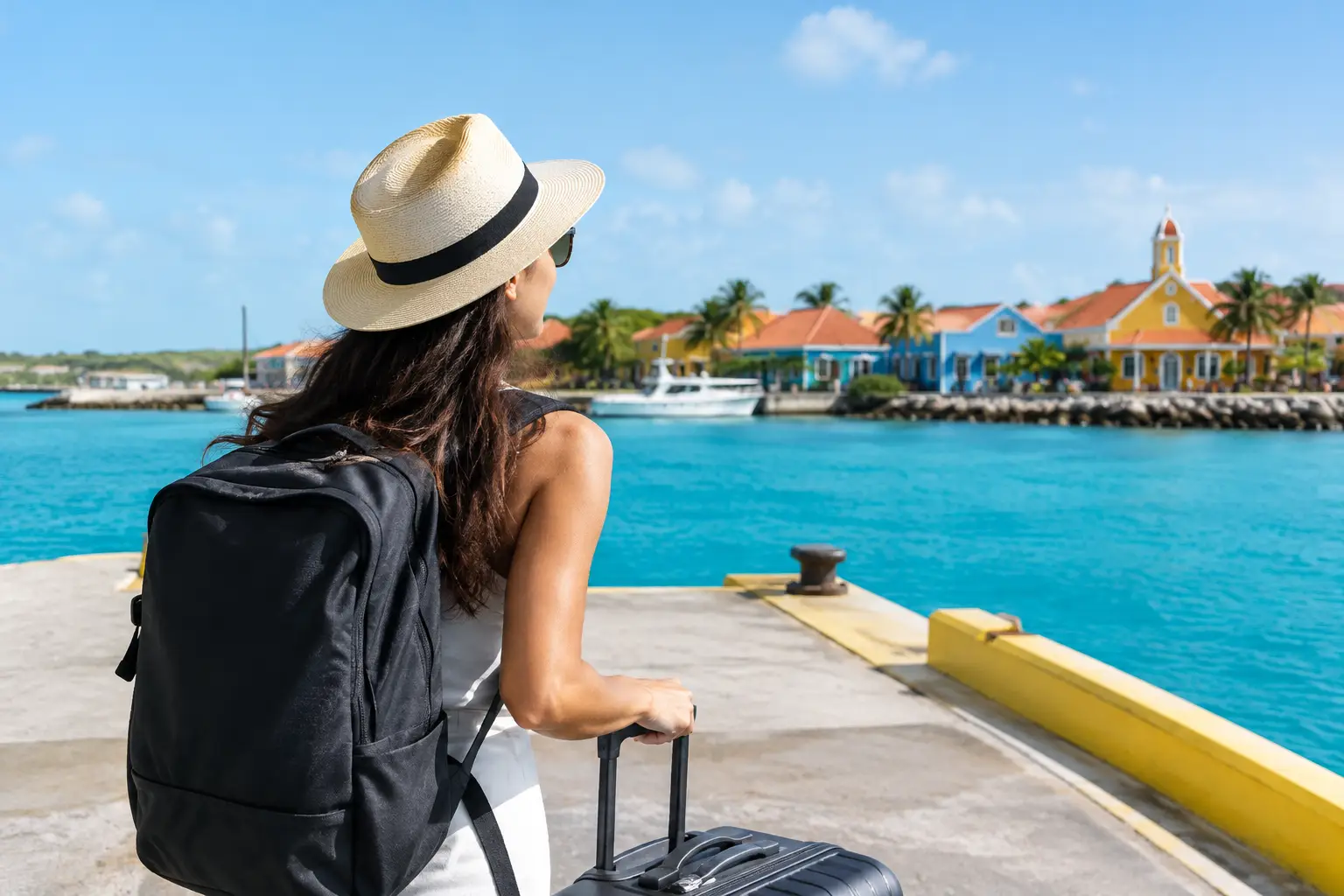
You have landed at Flamingo International Airport, the warm air has replaced the airplane cabin, and vacation is finally within reach. This Kralendijk arrival guide helps you make the first hour on Bonaire feel easy: clear immigration and customs, collect your luggage, get to your vehicle, and start your stay without wondering what comes next.
Kralendijk is close to the airport, but a little preparation makes a real difference. The island is relaxed, roads can feel unfamiliar at first, and the places you may want to visit are spread well beyond town. Having a simple plan before you step outside lets you spend less time coordinating and more time getting settled.
Before You Leave Flamingo Airport
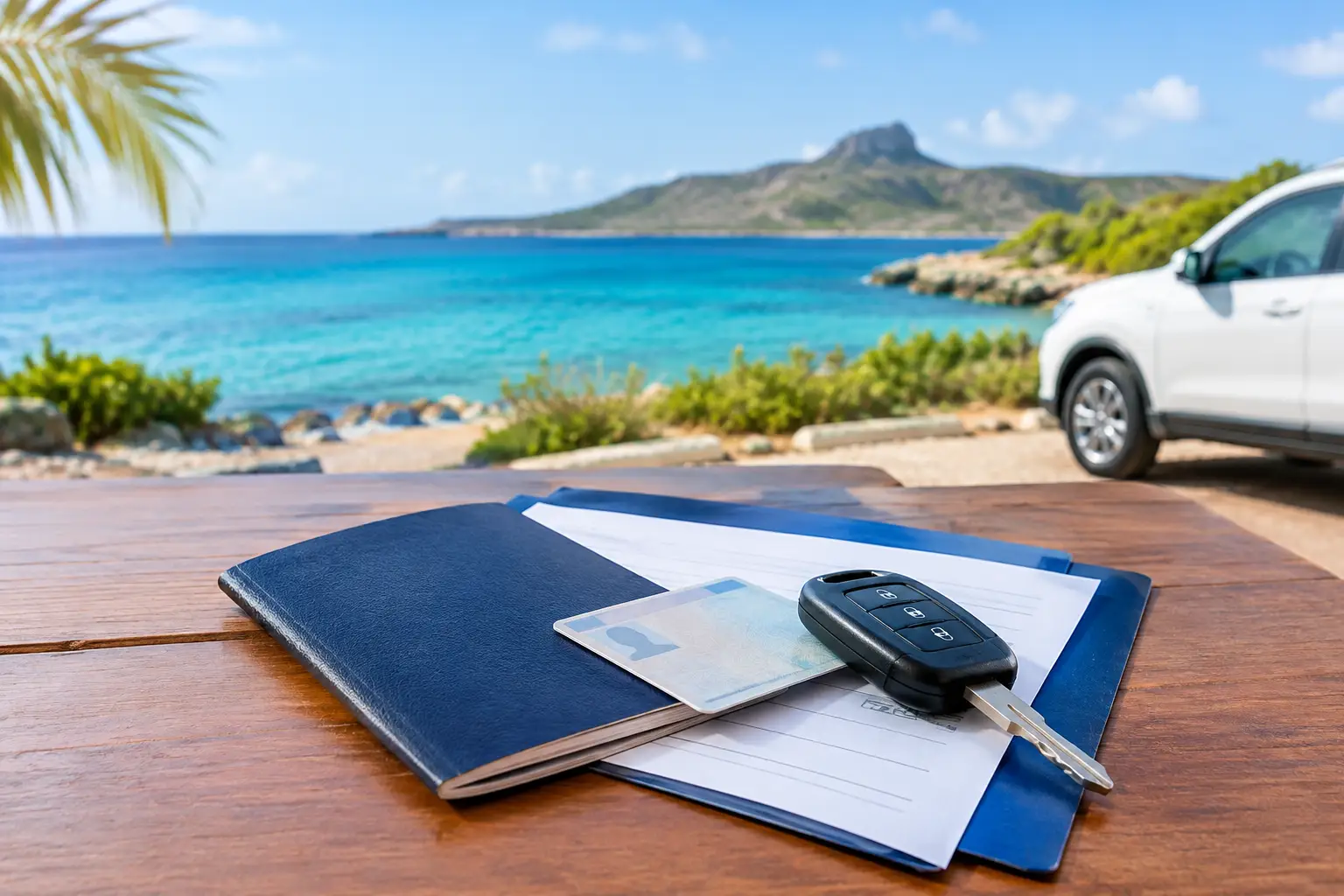
Keep your passport, arrival documents, accommodation details, and rental confirmation where you can reach them quickly. Immigration and baggage collection are straightforward, but timing can vary when several flights arrive close together. If you are traveling with dive gear, cameras, or family luggage, give yourself a little extra patience at the baggage belt.
It is also wise to save key information to your phone before departure. Your accommodation address, rental contact details, and a downloaded island map are useful if your mobile data is not active yet. Bonaire uses the US dollar, and cards are widely accepted, but carrying a small amount of cash can still be handy for incidental purchases.
If you need to pick up groceries, ask your host or rental team what is convenient for your route. Some visitors prefer to stop right away for breakfast supplies and water. Others want to get checked in first, cool off, and shop later. Both work well, especially if you have chosen a vehicle with enough room for passengers, luggage, and provisions.
Kralendijk Arrival Guide: Getting From Airport to Car
The airport sits just south of central Kralendijk, so you are not facing a long transfer after your flight. That is good news after a travel day, but do not assume every rental process is the same. Confirm in advance where you will meet your representative, whether you need to call after collecting luggage, and what identification or payment card is required for the reservation.
With Bonaire Rent a Car, airport pick-up and drop-off are included, making it easier to begin your trip without arranging a separate taxi. Free pick-up and return elsewhere on the island are also available within office hours. Your booking confirmation is the best place to check the details for your arrival time, especially if your flight lands later in the day.
Take a minute at the vehicle
Before pulling away, adjust the seat and mirrors, find the lights and wipers, and make sure everyone knows where water, sunscreen, and any essential medication are packed. This may sound basic, but it is much easier to do in the parking area than after you are already navigating an unfamiliar intersection.
If you have questions about fuel, parking, a specific beach road, or the best route to your accommodation, ask before leaving. Local advice is particularly helpful when your plans include dive sites, Washington Slagbaai National Park, or the island’s less-developed eastern side. The right vehicle depends on where you are going, how much gear you carry, and how comfortable you are with rougher roads.
Your First Drive Around Kralendijk
Bonaire driving is generally calm, but it rewards attention. Drive on the right, wear seat belts, and keep your speed appropriate for the road and conditions. You will share the island with scooters, bicycles, pedestrians, and wildlife. Slow down near neighborhoods, stay alert after dark, and avoid treating a vacation drive like a rush between appointments.
Road quality changes as you move away from central Kralendijk. Main routes are usually the simplest choice for a first drive, while some coastal or remote roads can be uneven, narrow, or unpaved. A compact car is often a practical choice for couples staying near town and following paved routes. Families, groups with dive equipment, and travelers planning more remote excursions may appreciate the space and clearance of an SUV or pickup.
Salt, sand, and sun are part of Bonaire’s charm, but they also call for common sense. Do not drive onto beaches or take a rental vehicle onto terrain it is not intended to handle. Keep windows and valuables secure when parked, and choose a visible, sensible spot when you stop for a swim or a meal.
Parking and finding your way
Kralendijk is compact enough that you will soon recognize the waterfront, the main shopping streets, and familiar restaurants. Still, your first afternoon is not the time to rely on memory. Use an offline map, follow your accommodation’s directions, and allow extra time if you are heading south toward the salt pans or north toward the park.
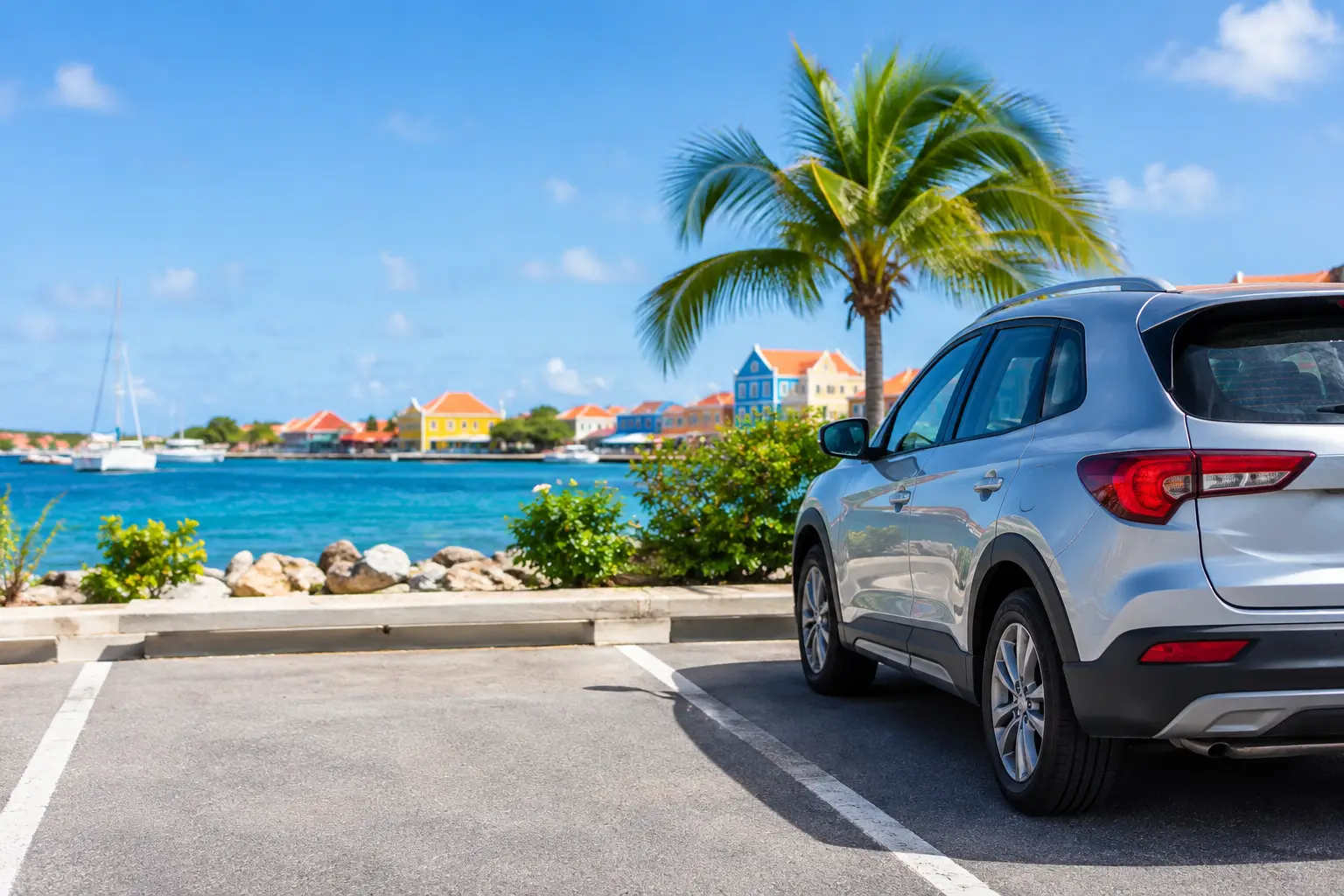
Parking in town is usually less intimidating than in a large US city, but space can be limited near popular waterfront areas and restaurants at busy times. Park legally, avoid blocking entrances, and pay attention to signs. When in doubt, choose a spot a short walk away instead of squeezing into a questionable space.
Make One Useful Stop Before Checking In
After a flight, a small supply stop can make the rest of the day much more comfortable. Pick up drinking water, easy breakfast food, snacks, and anything your accommodation may not provide. If you are diving the next morning, this is also a good time to confirm your meeting time, organize gear, and make sure your vehicle has room for everything.
Do not try to do your entire island itinerary on arrival day. Bonaire is best enjoyed at its own pace. If you land early and feel energized, take a gentle drive along the waterfront or have a casual meal in Kralendijk. If you land late, head directly to your stay, unpack the essentials, and save the sightseeing for a fresh morning.
Travelers staying in a vacation rental may want to check whether they need a gate code, a precise unit number, or a contact person available at arrival. Those details can matter more than the distance from the airport. A five-minute delay finding a property feels longer when you are tired, hungry, and carrying bags.
Choose a Vehicle for the Vacation You Actually Planned
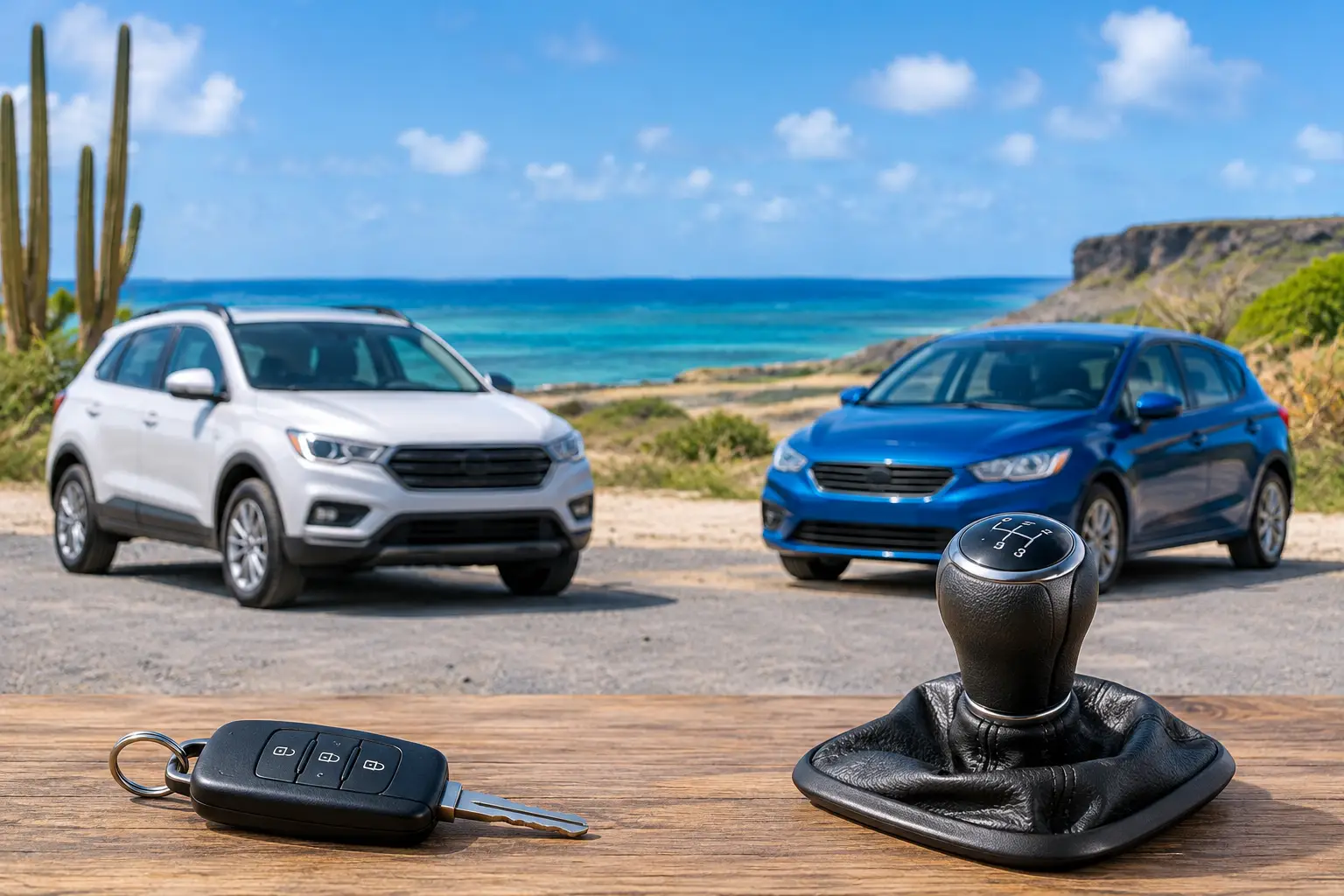
Your arrival vehicle should support the way you want to spend your days, not just get you from the airport to a hotel. A small economy car can be a smart, efficient option for two people who plan to dine in town, visit beaches on paved roads, and travel light. A sedan offers more comfort and luggage space for a longer stay.
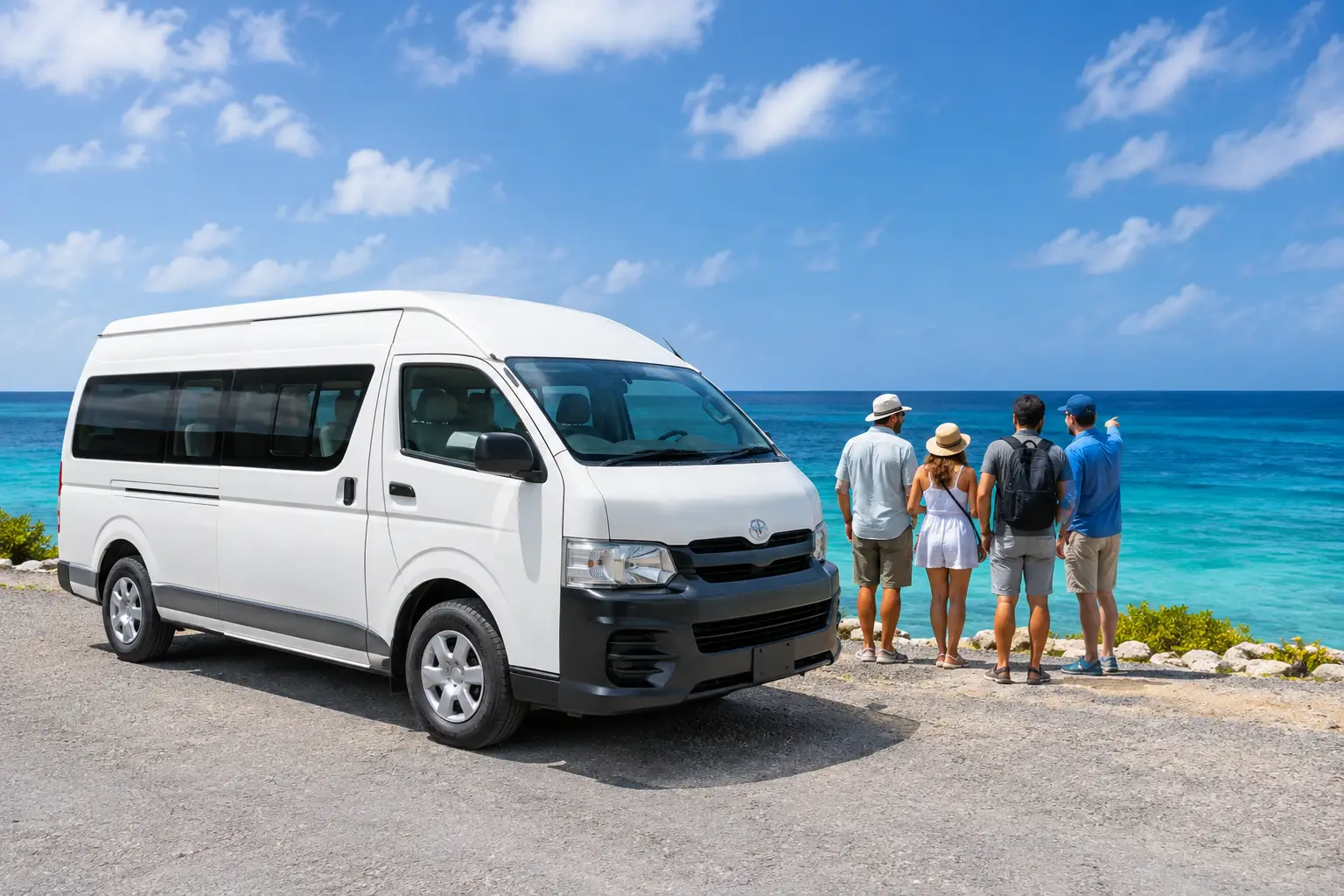
For families, friend groups, divers, or anyone bringing a lot of equipment, an SUV or pickup can make daily logistics easier. You will have room for towels, coolers, tanks when permitted and properly secured, and the extras that turn a beach day into a full day out. If you hope to explore less-traveled areas, discuss your route with the rental team so you can choose a suitable category instead of guessing.
There is a trade-off. Larger vehicles provide more space and may be a better fit for island adventures, while smaller cars can be simpler to park and use less fuel. The best choice is the one that matches your passenger count, luggage, planned activities, and comfort behind the wheel.
Let Your First Evening Stay Simple
Once you arrive at your accommodation, check your fuel level, place your rental documents somewhere easy to find, and charge your phone for the next day. Set out swimwear, reef-friendly sun protection, and anything you need for an early dive or beach departure. A little organization now keeps the morning relaxed.
Then give yourself permission to slow down. Watch the light fade over the Caribbean, enjoy a meal, and let the island reset your pace. Bonaire does not need to be rushed, and a calm arrival is the best start to the days ahead.