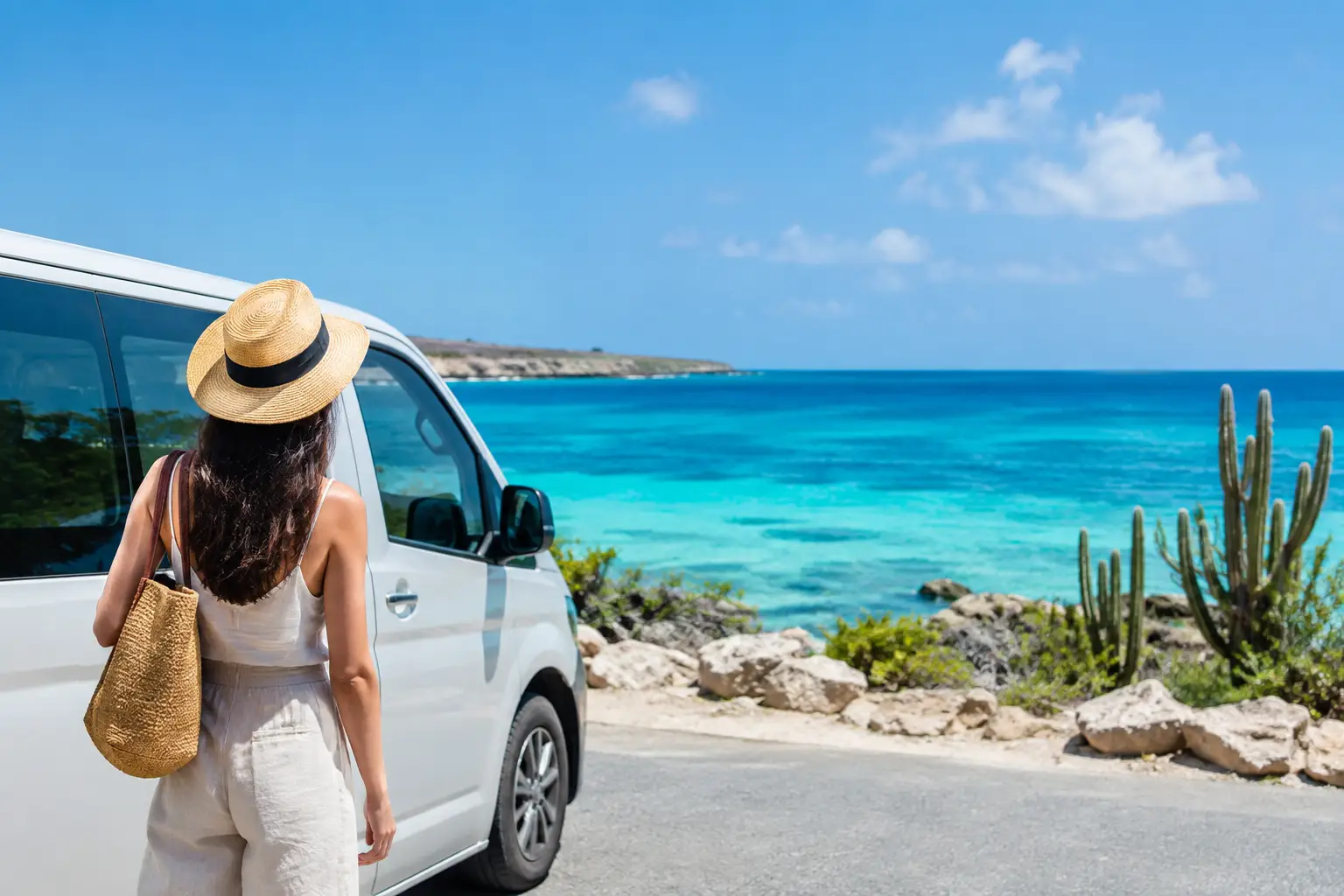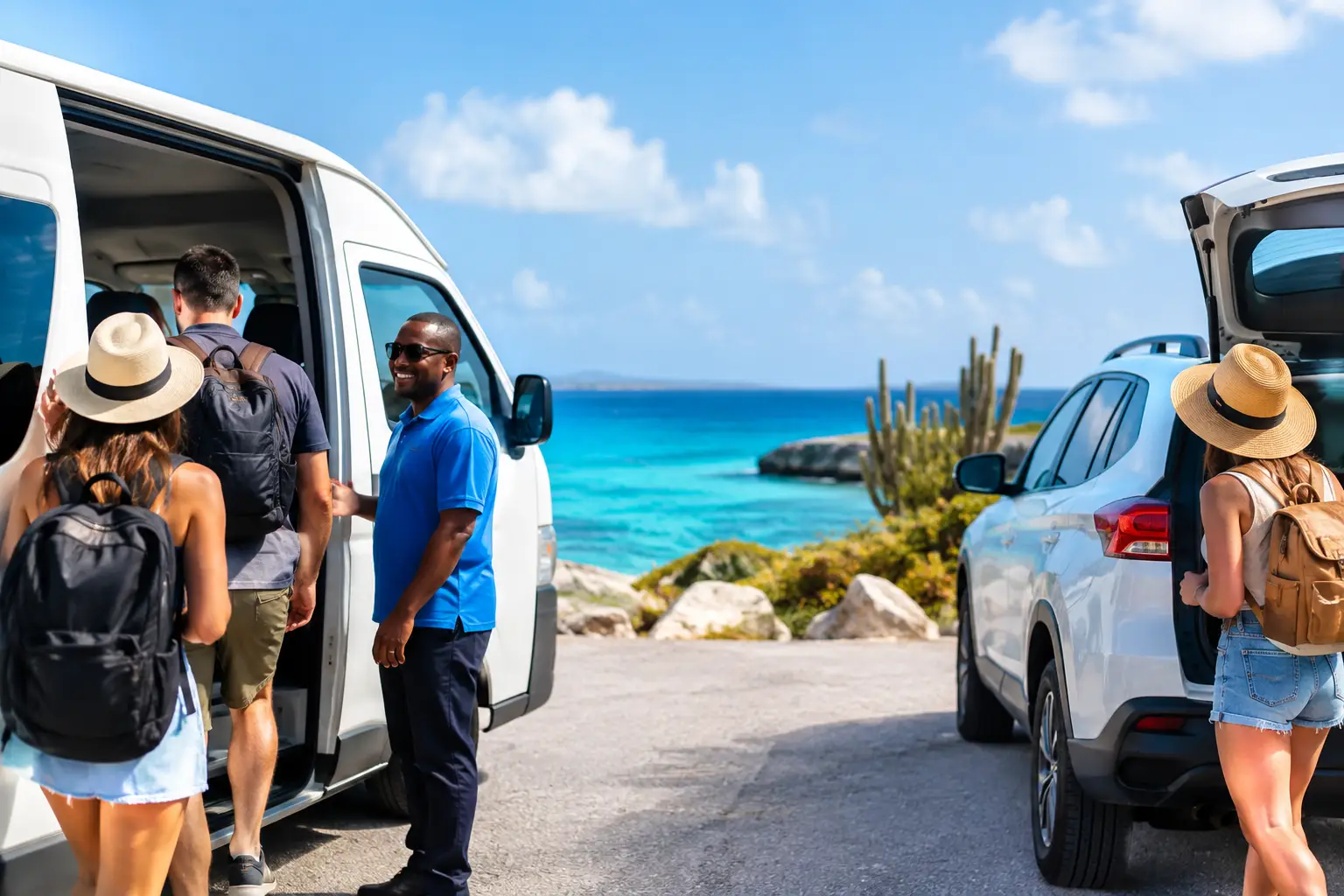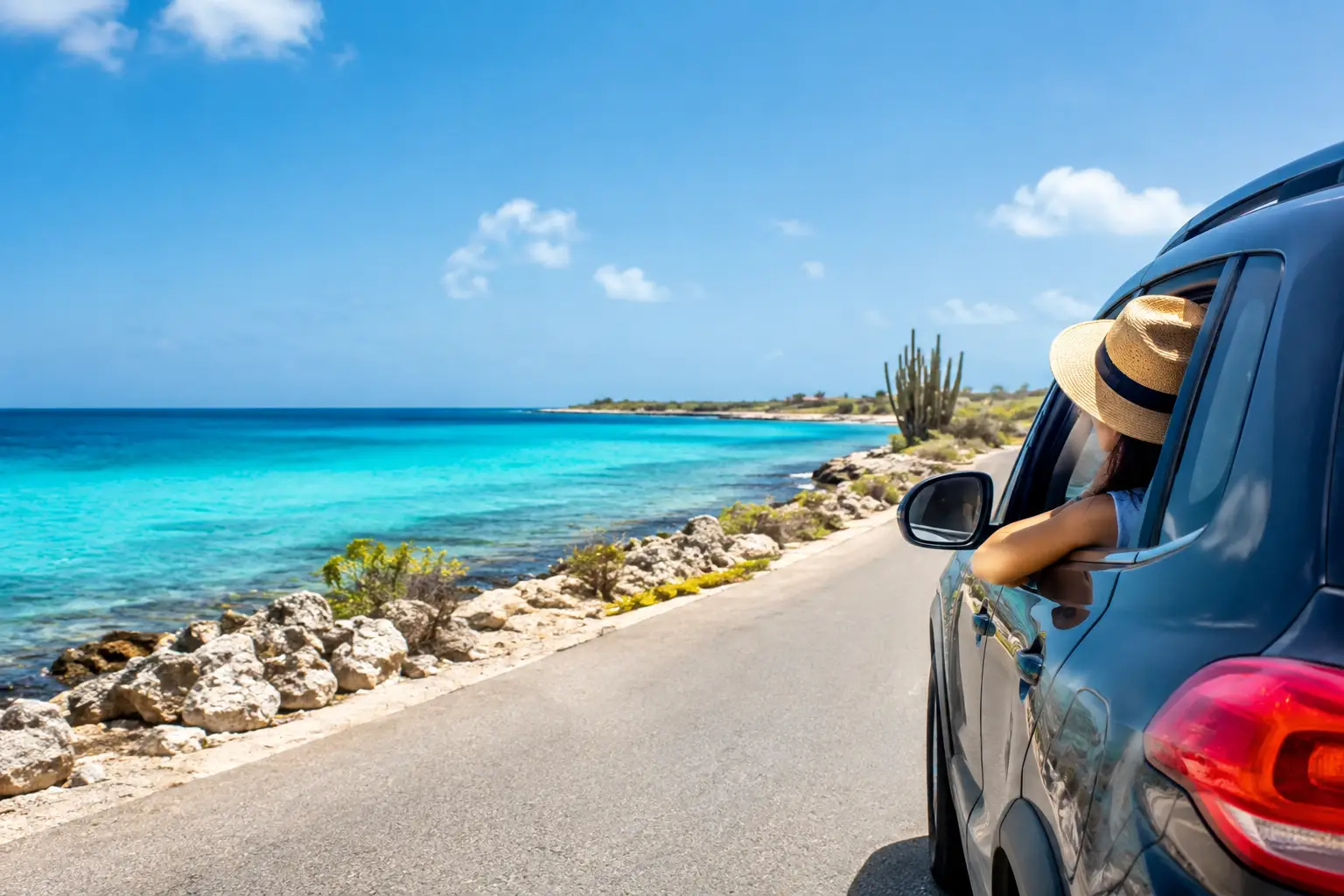


The first surprise for many visitors is how quickly driving becomes part of the fun in Bonaire. You land, pick up your car, and within a short time you are heading to a beach, a dive site, or dinner with the windows down. The second surprise is that island driving has its own rhythm. It is not difficult, but it is different enough that a little preparation makes the whole trip easier.
If you are wondering what to know before driving in Bonaire, the short answer is this: driving here is straightforward, but the right vehicle, a little local awareness, and realistic expectations about roads and parking will make a big difference.
What to know before driving in Bonaire
Bonaire is small enough that you are never driving for hours, but large enough that having your own car changes your trip completely. Taxis can work for a dinner out or an airport transfer, but they are not the best fit if you want to beach-hop, visit dive sites on your own schedule, or spend a day exploring the island.
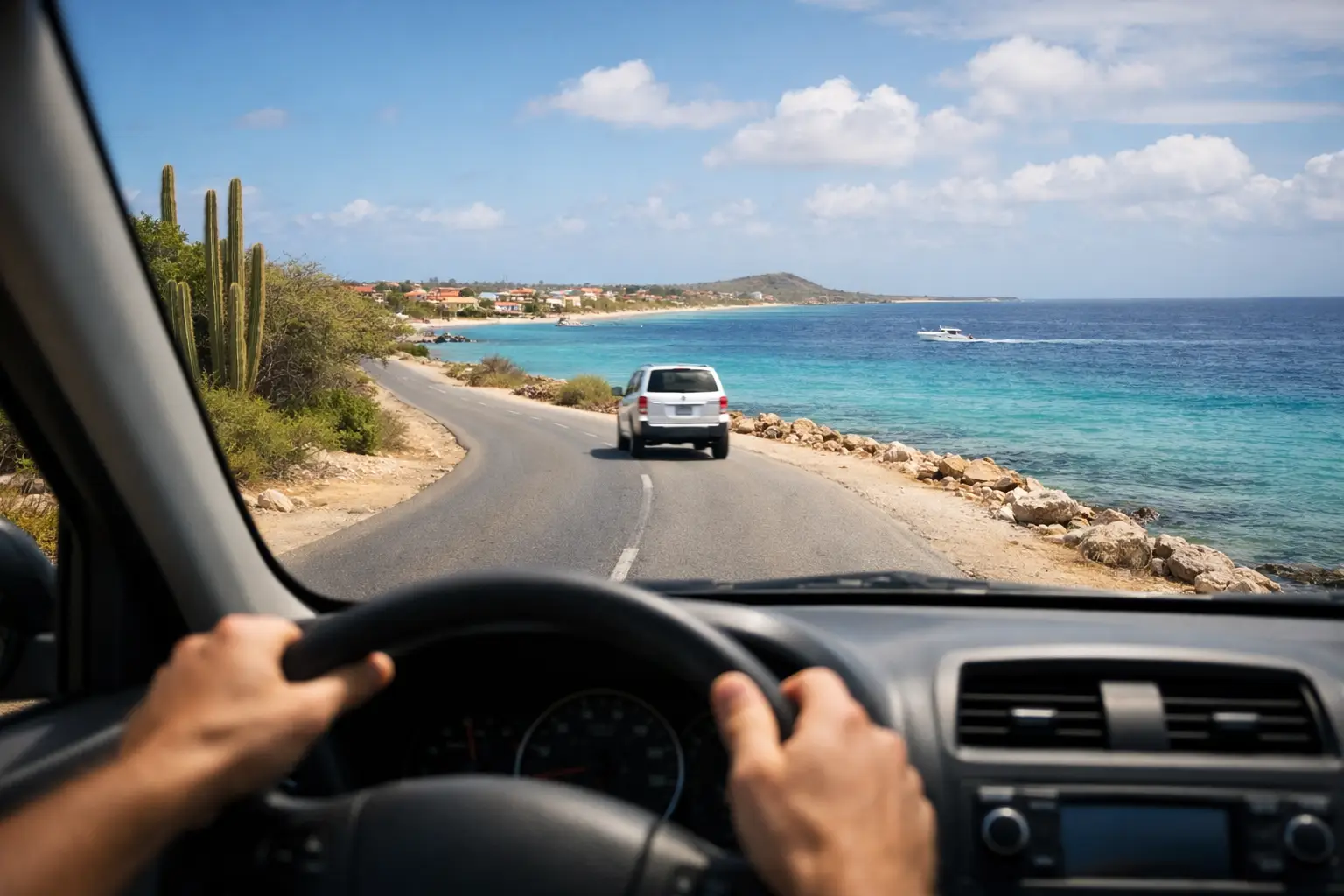
Most visitors find driving in Bonaire easy because traffic is light compared with most US cities. At the same time, this is not a place where you should expect every road to feel polished or every turn to be heavily marked. Some roads are paved and simple. Others are rough, dusty, or uneven, especially if you plan to go beyond the main town areas or spend time near more remote beaches and natural spots.
That is why your first driving decision is not really about price. It is about where you plan to go.
Choose your vehicle based on your plans
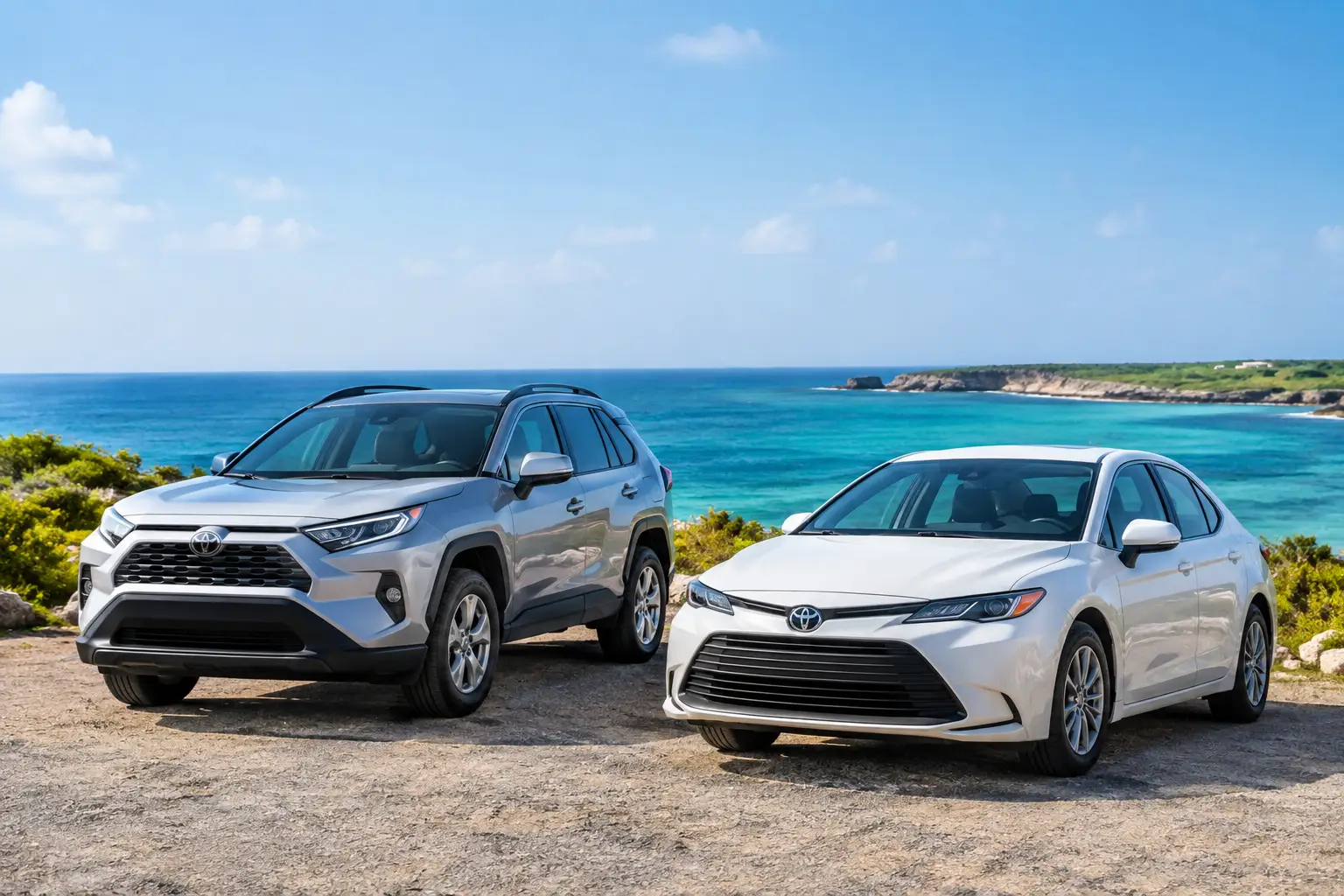
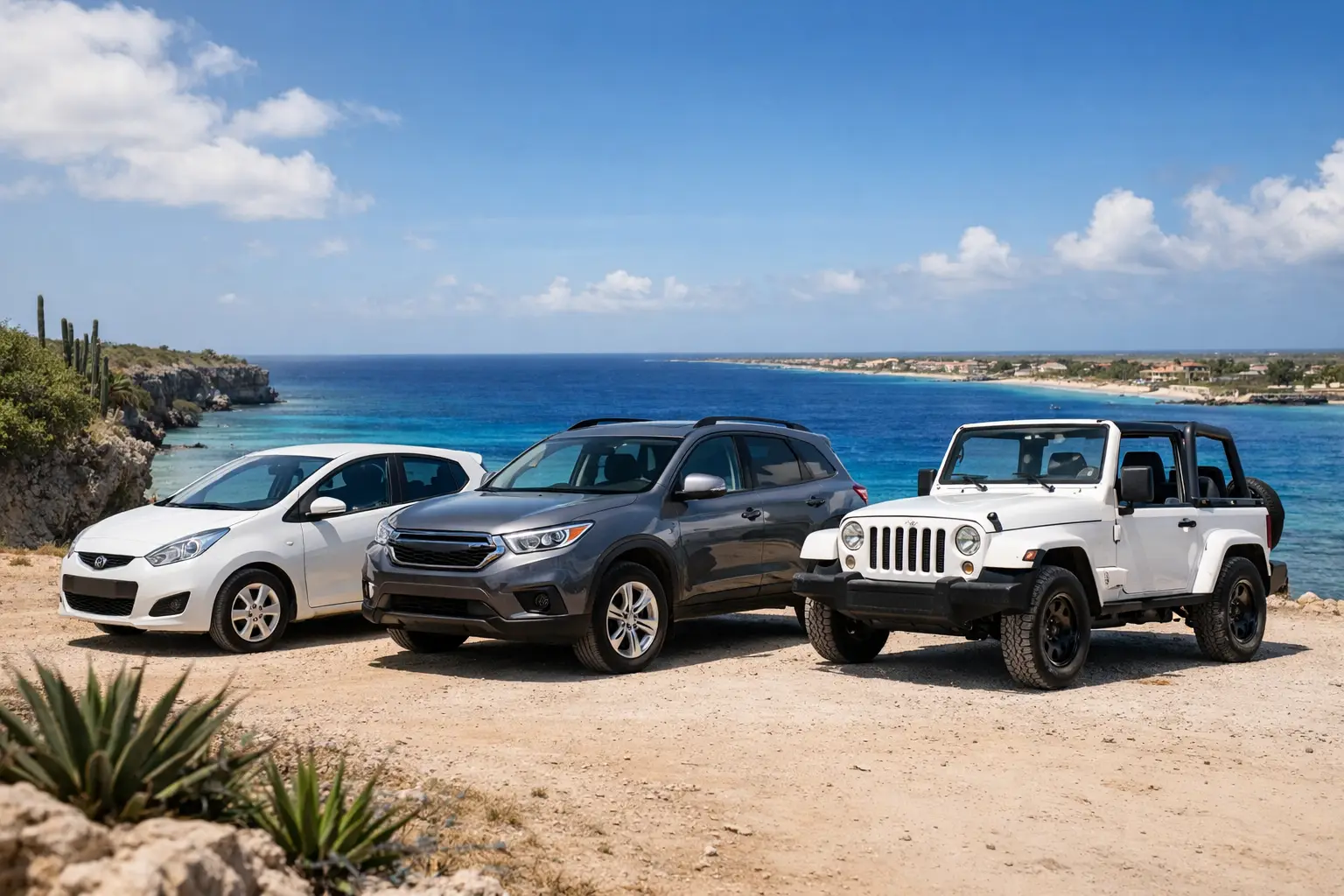
If your trip is centered around Kralendijk, waterfront restaurants, and nearby beaches with easy access, a compact car or sedan may be all you need. For couples packing light and staying mostly on paved roads, that can be the most practical and budget-friendly choice.
If your plans include carrying dive gear, heading out to multiple shore diving locations, or spending time on rougher roads, an SUV or pickup usually makes more sense. This is especially true for groups, families, or anyone bringing tanks, fins, bags, and coolers in and out all day. A vehicle with more clearance and cargo room can make the day feel much easier.
There is a trade-off, of course. Larger vehicles are more convenient for gear and rough roads, but they can cost more and may feel less necessary if your itinerary is simple. The best choice depends on how adventurous your schedule really is, not how adventurous you hope it will be.
Road conditions are generally manageable, but not always smooth
One of the most useful things to understand before arrival is that road quality can change quickly. Main roads around town and major routes are typically easier to drive. Once you start branching out, you may run into potholes, washboard surfaces, gravel, coral rock, or narrower stretches.
This does not mean driving is risky for the average visitor. It simply means you should slow down, stay alert, and avoid assuming every road will feel like a typical mainland vacation destination. If you are heading to shore dive spots or less developed parts of the island, a calm, patient driving style matters more than speed.
At night, this matters even more. Some roads have limited lighting, and it can be harder to spot rough patches, turns, or animals near the road. If you are new to the island, daytime driving is the easiest way to get comfortable first.
Driving style in Bonaire is relaxed, and you should be too
Visitors from the US sometimes arrive with big-city driving habits – quick lane changes, fast reactions, and a sense of urgency. Bonaire does not reward that. Driving here is more relaxed and more predictable when you let yourself match the island pace.
Give yourself extra time, especially on your first day. If you miss a turn, it is usually not a big problem. If someone is driving slower than you expected, that is part of island life. The goal is not to cover distance quickly. The goal is to get where you are going without stress.
It also helps to stay especially aware at intersections, roundabouts, and near town, where scooters, bicycles, pedestrians, and other vehicles may all be sharing the same space. Nothing about this is unusually hard, but it does ask for attention.
Parking is usually easier than visitors expect
For many travelers, parking in Bonaire feels refreshingly simple. At beaches, dive sites, and many restaurants, you can often park without the hassle that comes with larger tourist destinations. That convenience is one of the reasons renting a car is such a good fit for the island.
That said, easy parking does not mean careless parking. Use common sense about where you leave the car, make sure you are fully off the road when possible, and avoid blocking access points or creating tight squeezes for others. At popular shore diving spots, expect informal parking areas rather than clearly striped lots.
If you are carrying valuables, keep things out of sight or, better yet, do not leave them in the vehicle at all. That is just good travel practice anywhere.
What to know before driving in Bonaire for dive days
If diving is part of your trip, your driving needs change a bit. You are not just getting from point A to point B. You are moving wet gear, tanks, fins, towels, and sometimes tired people who want the easiest possible setup after a long morning in the water.
That is where vehicle space matters. A smaller car can work for some divers, but it depends on how much gear you have and how many people are sharing the ride. A pickup or larger SUV often makes life simpler, especially if you plan to do several shore dives in one day.
You should also expect some dive access roads to be rougher than the route from your accommodation to town. Driving slowly protects both the vehicle and your mood. Bonaire is best enjoyed when you are not rushing from one site to the next.
Navigation is simple, but a little prep helps
Because the island is not huge, getting around is usually straightforward after your first day or two. Still, it helps to know your route before you head out, especially if you are going somewhere remote, planning an early morning dive, or returning after sunset.
A phone map can help, but do not rely on it as your only plan. Signal, battery life, and unfamiliar road names can all become minor annoyances when you are trying to reach a beach before dark. Screenshot directions if needed, and ask a local team member any questions when you pick up your vehicle. A quick answer at the start can save you from a lot of unnecessary circling later.
Fuel, timing, and practical island logistics
Fuel is one of those simple details that gets overlooked until it matters. Do not assume a gas station will always be exactly where you need one at the moment you need it. If you are heading out for a full day, it is smart to check your fuel level ahead of time rather than waiting until you are nearly empty.
The same logic applies to timing in general. Island travel is easier when you build in a little margin. Flights can be tiring, weather can shift, and a beach stop can turn into a longer afternoon than expected. When your transportation is handled smoothly from the start, the whole trip feels lighter.
That is one reason many visitors prefer a local company that understands airport arrivals, accommodation pick-ups, and the kind of questions first-time travelers actually ask. At Bonaire Rent a Car, for example, the process is built around making those first and last travel-day logistics feel easy, not complicated.
A few habits that make driving here easier
The best approach is simple. Drive a little slower than you think you need to. Stay aware of road surfaces. Choose a vehicle that fits your real plans, not just the lowest rate. Keep your day flexible enough that a missed turn or bumpy road does not feel like a problem.
It also helps to remember that Bonaire is not a place to conquer by car. It is a place to move through comfortably. The better your transportation fits the island, the more natural your days feel.
When that part is handled well, everything else gets easier – morning dives, sunset dinners, grocery runs, beach hopping, and the freedom to change your plans halfway through the day because something down the road looks worth stopping for.
That is really the thing to keep in mind before you drive in Bonaire: the right car and the right expectations do more than get you around. They give you the kind of trip that feels easy from the moment you arrive.