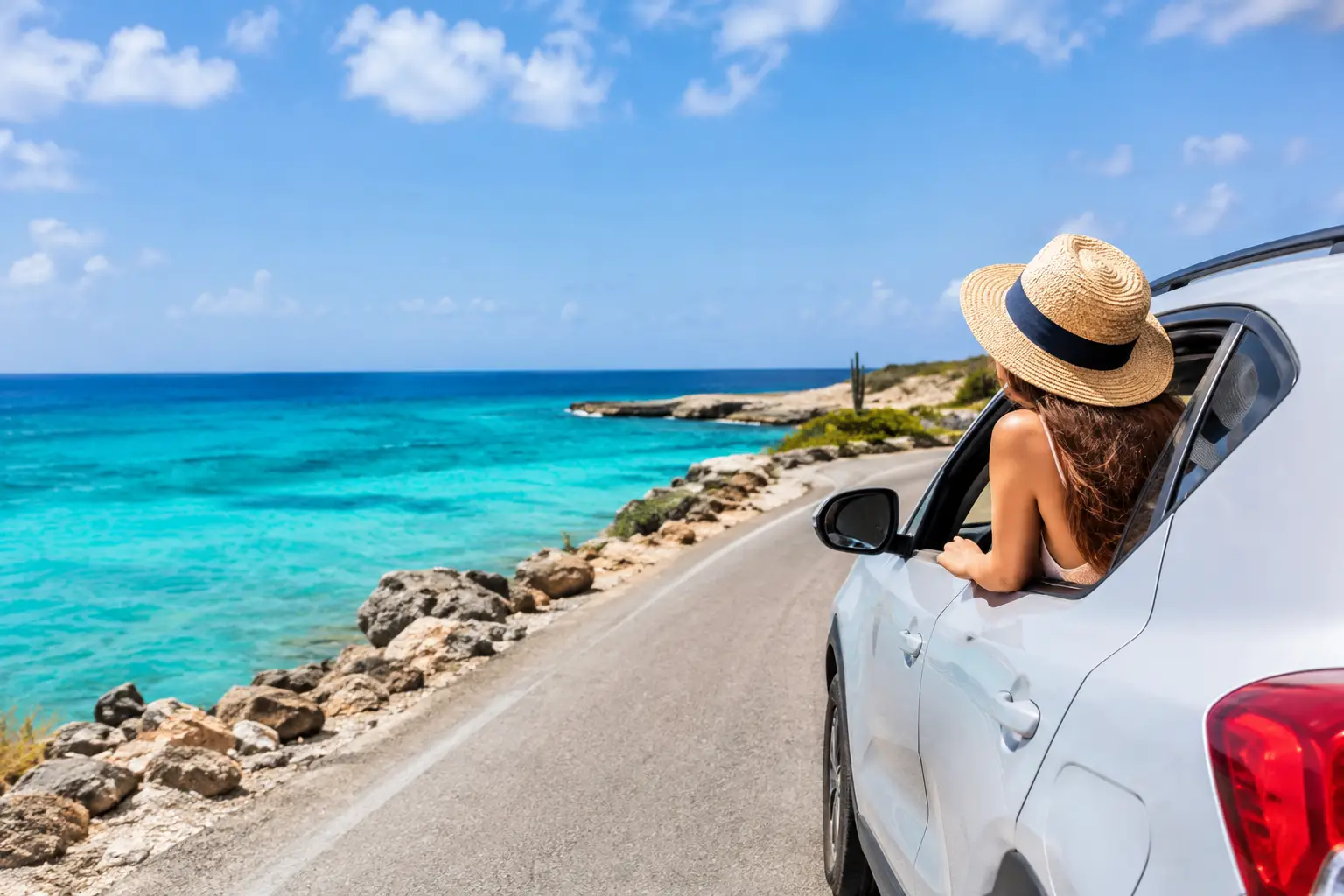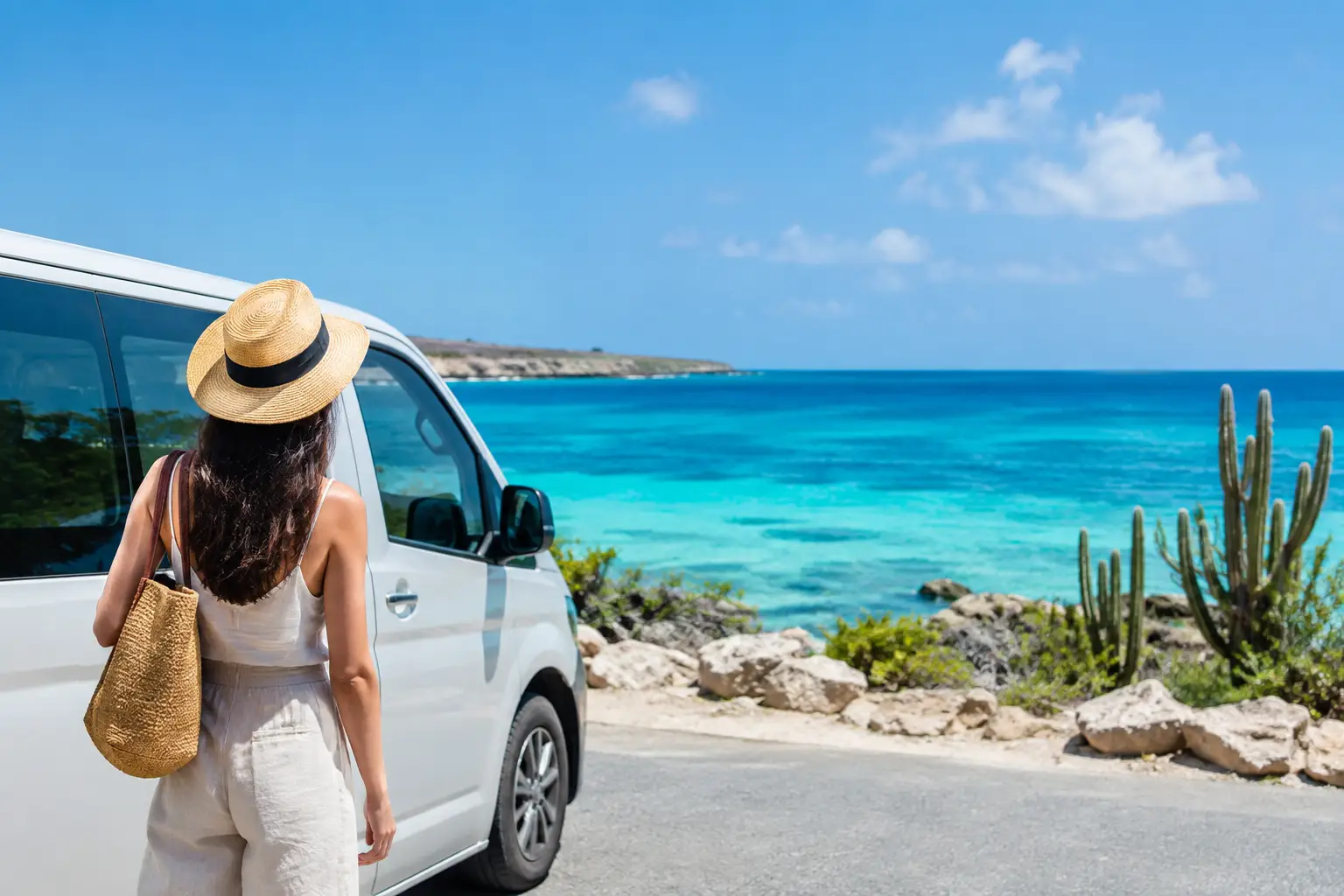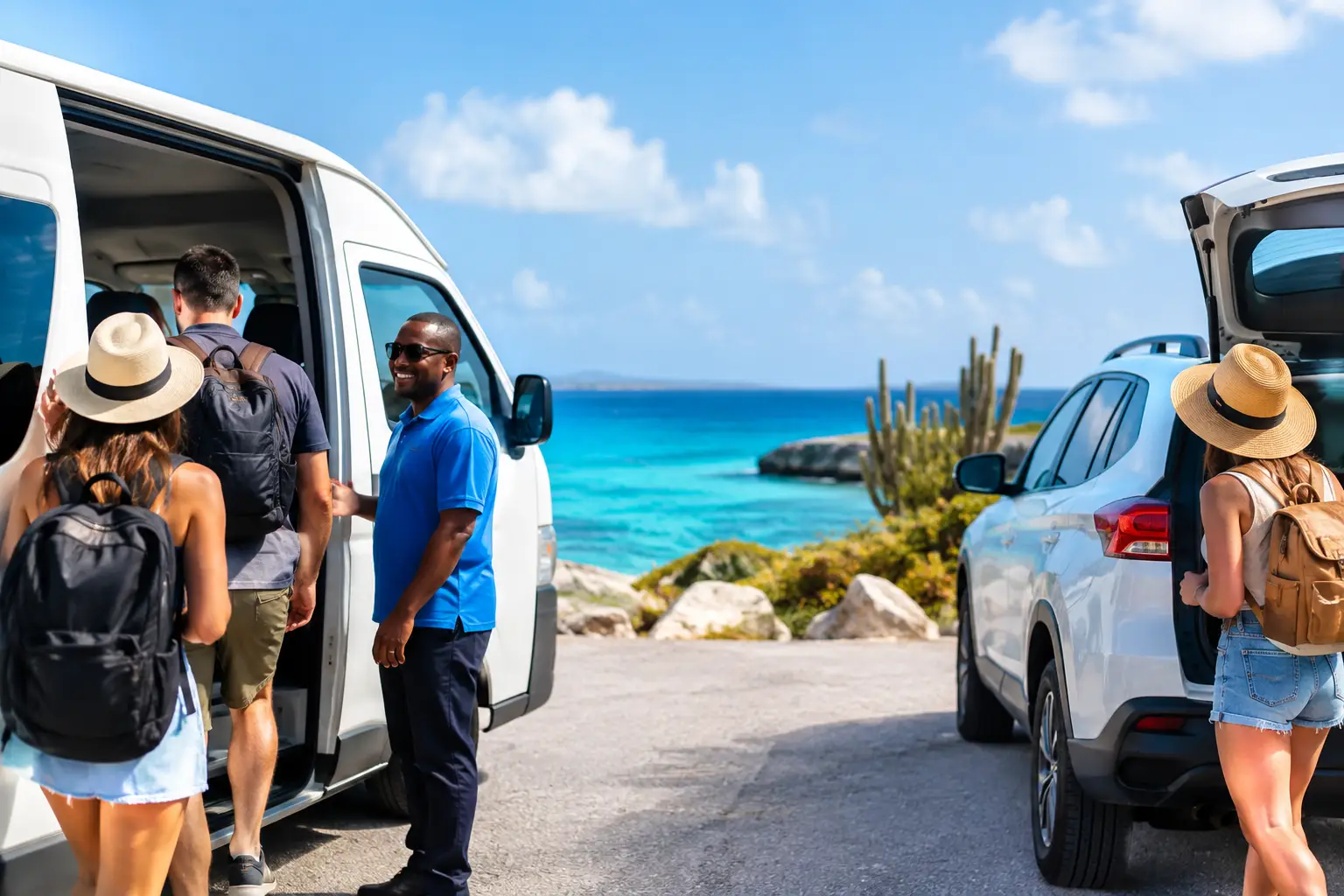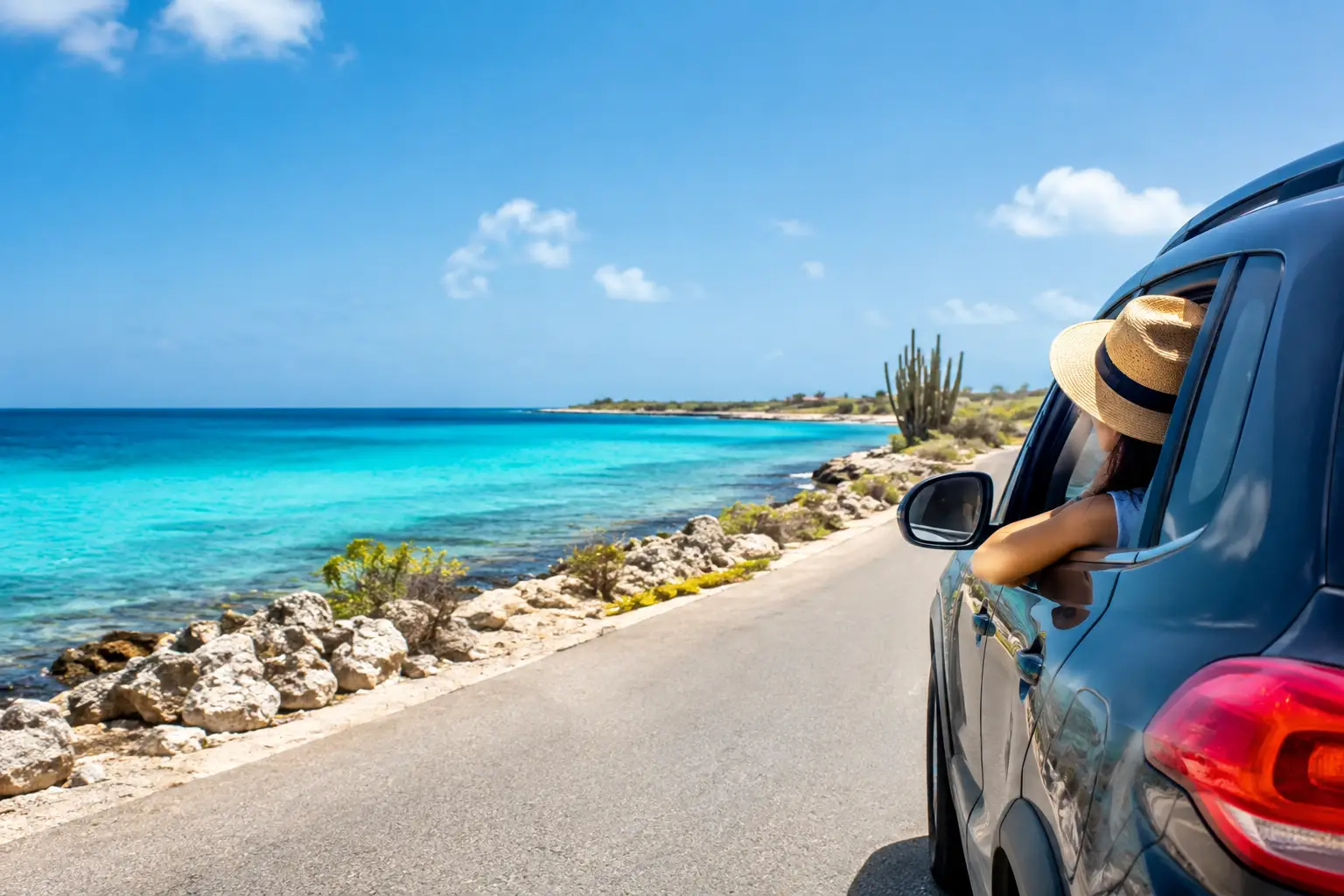


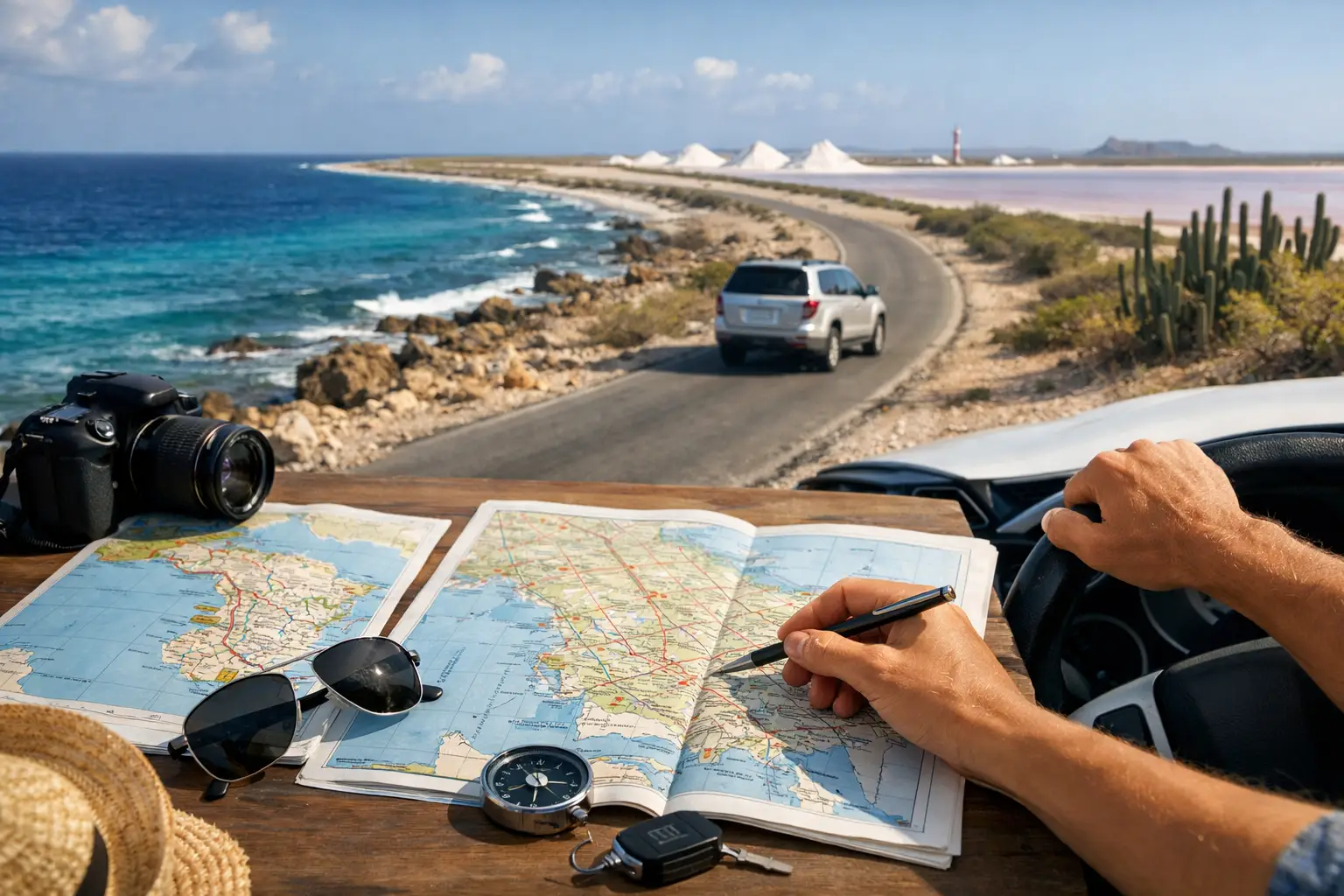
You do not need a complicated itinerary to have a great day on Bonaire. What you do need is a realistic plan. If you want to plan Bonaire road trip routes well, think less about covering every corner of the island and more about grouping stops that make sense together. That is what turns a day of driving into a relaxed island outing instead of a rushed checklist.
Bonaire is small enough to feel manageable and varied enough to reward a little planning. One route can take you from salt flats and wild coastline to a quiet beach bar by lunch. Another can be all about northern viewpoints, snorkeling stops, and a sunset dinner back near town. The key is matching your route to your trip style, your vehicle, and how much time you actually want to spend in the car.
The easiest way to plan Bonaire road trip routes
Start with one simple question: what kind of day are you trying to have? On Bonaire, most driving days fall into a few natural categories. Some visitors want a beach-and-swim day with easy parking and short distances between stops. Others are planning around shore diving, which changes everything from cargo space to how often you will get in and out of the car. Families may want smoother roads and flexible food options, while couples often prefer scenic pacing with room for spontaneous stops.
Once you know the goal, build your route by region instead of by attraction. The island is much easier to enjoy when you stay focused on either the south side, the north side, or a mix of central stops close to Kralendijk. Trying to combine Washington Slagbaai National Park with a long southern beach afternoon in one day sounds efficient on paper, but it usually feels packed.
It also helps to be honest about your energy level. Arrival day routes should stay light. If you are landing, picking up your vehicle, settling in, and then driving across the island with a full agenda, even a short route can feel long. Save your bigger loop for the next morning.
South route: easy scenery and classic Bonaire views
If this is your first visit, the south is often the easiest place to begin. The roads are straightforward, the stops are memorable, and the landscape changes in a way that still feels dramatic even over short distances. This route works especially well for couples, first-time visitors, and anyone who wants a low-stress day with plenty of photo-worthy moments.
Head south from Kralendijk and give yourself time to stop, not just drive through. The salt flats, slave huts, and bright water along this part of the island are the kind of views that deserve a slower pace. Farther down, the southern beaches and shoreline pull many visitors into a half-day that turns into a full day without much effort.
This route is also easy to combine with snorkeling, a beach break, or a relaxed lunch stop. The trade-off is that it can feel less adventurous if you are craving rougher roads or more remote terrain. For many travelers, that is actually a plus. A southern loop is one of the best ways to settle into the island without overplanning.
Best for first-time visitors
A southern route is forgiving. If you leave late, stop longer than expected, or decide to turn around early, you can still have a good day. That flexibility matters on vacation.
Best vehicle fit for the south
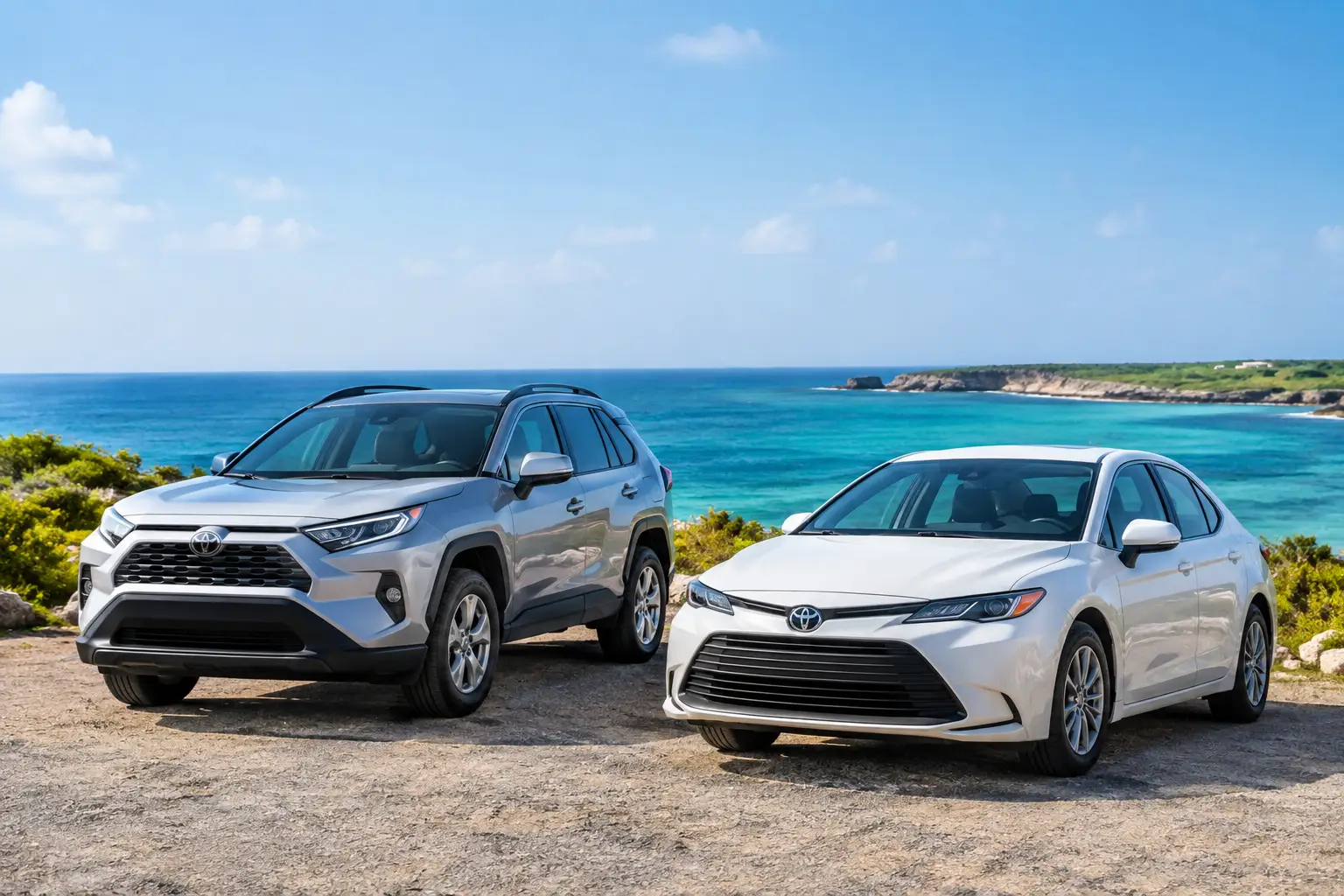
For paved and easy-access stops, a compact car or sedan is usually enough. If your group is carrying dive gear, beach chairs, or a cooler, a larger vehicle can make the day more comfortable, even if the roads themselves do not require it.
North route: viewpoints, nature, and a fuller day
The north side of Bonaire usually asks for more time and a little more intention. This is where visitors often go when they want bigger scenery, more rugged surroundings, and a day that feels more like an outing than a casual drive. If you enjoy viewpoints, quieter coves, and seeing a wilder side of the island, this route makes sense.
A north-focused day can include Rincon, scenic overlooks, and time near the entrance area of Washington Slagbaai National Park, depending on how ambitious you want to be. Some travelers drive the north as a sampler and save the park itself for a separate day. That is often the smarter call. The park is not the kind of stop you tack onto an already full itinerary.
The upside of the north is the sense of space. The trade-off is timing. Roads can be slower, stops can stretch longer than expected, and the day can feel rushed if you try to layer too much onto it. Leave room for that.
Should you combine north and south in one day?
You can, but that does not always mean you should. If your main goal is to get a broad feel for the island, a north-south sampler can work. Keep it simple: one or two stops in the morning, lunch near town, and a scenic south drive in the afternoon. That gives you variety without turning the day into constant driving.
If your goal is to really experience a part of Bonaire, split the island into separate days. You will spend less time checking the clock and more time enjoying where you are. This is especially true if you are traveling with kids, carrying dive gear, or planning beach time rather than just quick pullovers.
Plan Bonaire road trip routes around what you are carrying
This is the part many travelers overlook. A route that looks short on a map can feel much longer when you are loading tanks, managing snorkel gear, packing towels, or traveling with a cooler and a few bags. The route itself may be easy, but the day becomes less comfortable if the vehicle does not match what you are bringing.
For beach hopping or simple sightseeing, smaller vehicles usually work well. For dive-heavy days, families with extra gear, or anyone heading toward rougher conditions, more space makes a noticeable difference. Bonaire is not a place where you want to spend all day reorganizing your trunk in a hot parking area.
That is one reason many visitors book with Bonaire Rent a Car after they have mapped out their likely days, not before. Once you know whether your trip is built around beaches, dive sites, or park driving, the right vehicle category becomes much easier to choose.
Timing matters more than distance
On Bonaire, short distances can create the illusion that you can fit in everything. But road trip planning here is less about mileage and more about pace. You may stop often for photos. You may stay at one beach longer than planned. A quick roadside viewpoint can turn into thirty minutes without trying.
Try building your route around one anchor stop and two or three secondary stops. That is usually enough for a full, satisfying day. If everything goes faster than expected, you can always add one more. If you plan five or six major stops from the beginning, you are more likely to end up skipping the moments that make the island memorable.
Midday heat matters too. If you want a more active route, get moving earlier. Save scenic driving, lunch, or easier stops for the hottest part of the afternoon. Then leave space for sunset if that matters to you, because on Bonaire it usually should.
A smart route for shore divers
If your vacation revolves around diving, your road trip planning should too. The smartest dive routes are not necessarily the most scenic on paper. They are the ones that reduce backtracking, keep gear handling simple, and leave room for surface intervals, food, and rest.
Many divers do best by choosing two or three nearby sites in the same area rather than zigzagging across the island. South-side dive days are often easier to organize this way, but central and northern options can work just as well if you stay realistic about timing. It is also worth thinking about entry and exit effort. After a couple of dives, even a short extra drive can feel longer.
If you are carrying tanks and gear for more than one person, comfort and cargo room matter almost as much as route planning. The smoother your setup, the more enjoyable the day.
When to leave room for spontaneity
Not every stop belongs on your map before you arrive. Some of the best moments on Bonaire come from noticing a quiet shoreline, finding a lunch spot you want to linger at, or deciding the beach you are on is good enough to stay put. Good planning should create room for those choices, not eliminate them.
A good rule is to plan the framework, not every minute. Know your direction, your must-see stop, and your turnaround point. After that, let the island do some of the work.
That matters even more if this is your first visit. Bonaire has a way of making people slow down, and your route should support that. If your itinerary feels too tight before the day even starts, it probably is.
The most common road trip planning mistake
The biggest mistake is assuming small island means fast island. Bonaire is easy to navigate, but a great day here is rarely about speed. It is about choosing the right section of the island, giving yourself enough time at each stop, and using a vehicle that fits the day you actually want to have.
If you plan Bonaire road trip routes with that mindset, the island becomes much simpler. North for nature. South for scenery and easy pacing. Separate the bigger adventures when you can. Group nearby stops. Leave room to stay longer somewhere beautiful.
That is usually when Bonaire feels best – not when you see the most, but when the day unfolds without effort.