

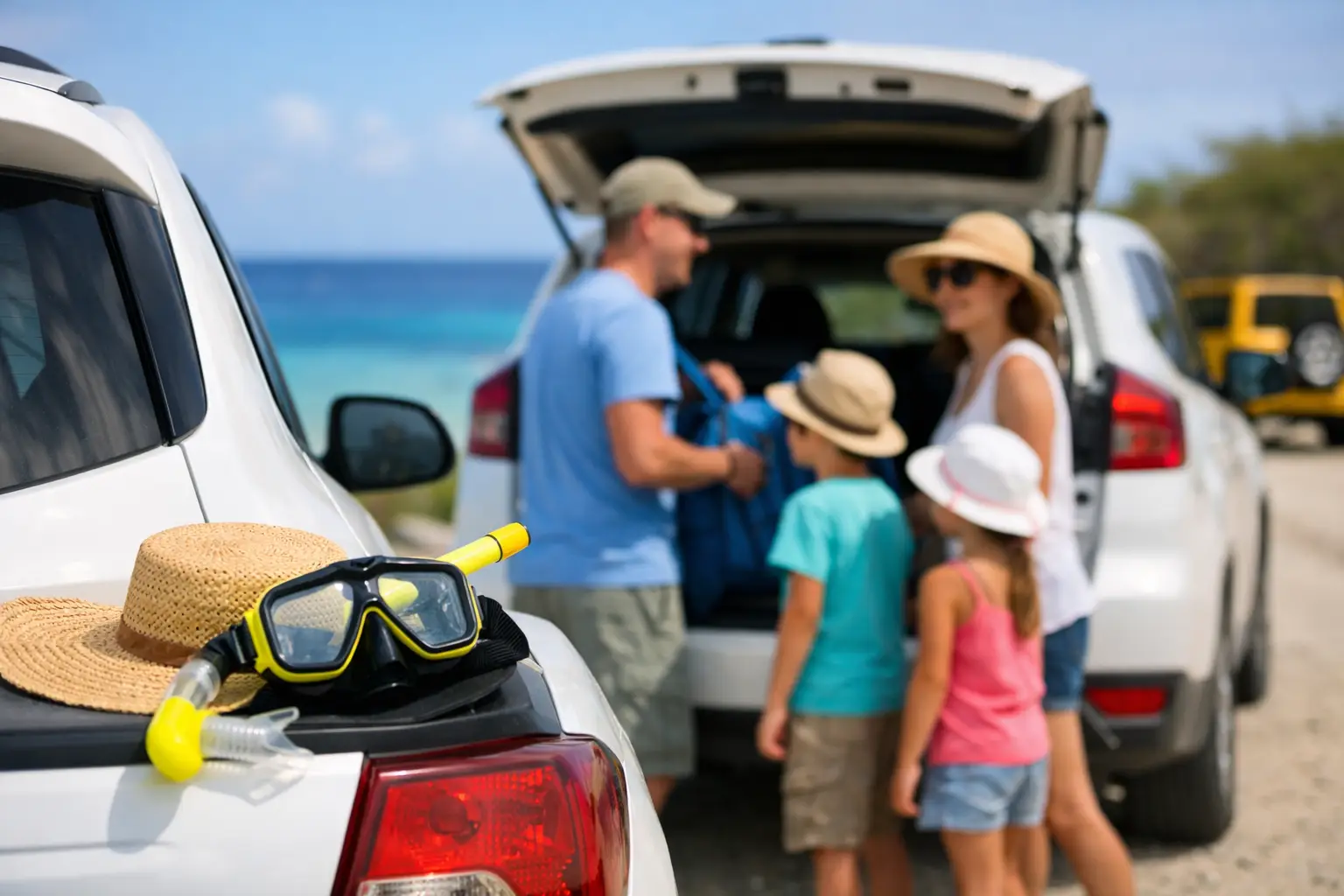
A family vacation starts feeling real the moment everyone clears the airport with bags, snacks, and excited kids in tow. Having a rental vehicle ready makes that first hour much easier, but a few family rental safety tips can make the difference between a relaxed island day and an avoidable hassle. On Bonaire, the right vehicle, a little advance planning, and unhurried driving help your family get comfortably from the airport to beaches, restaurants, dive sites, and everywhere in between.
Family Rental Safety Tips Before You Reserve
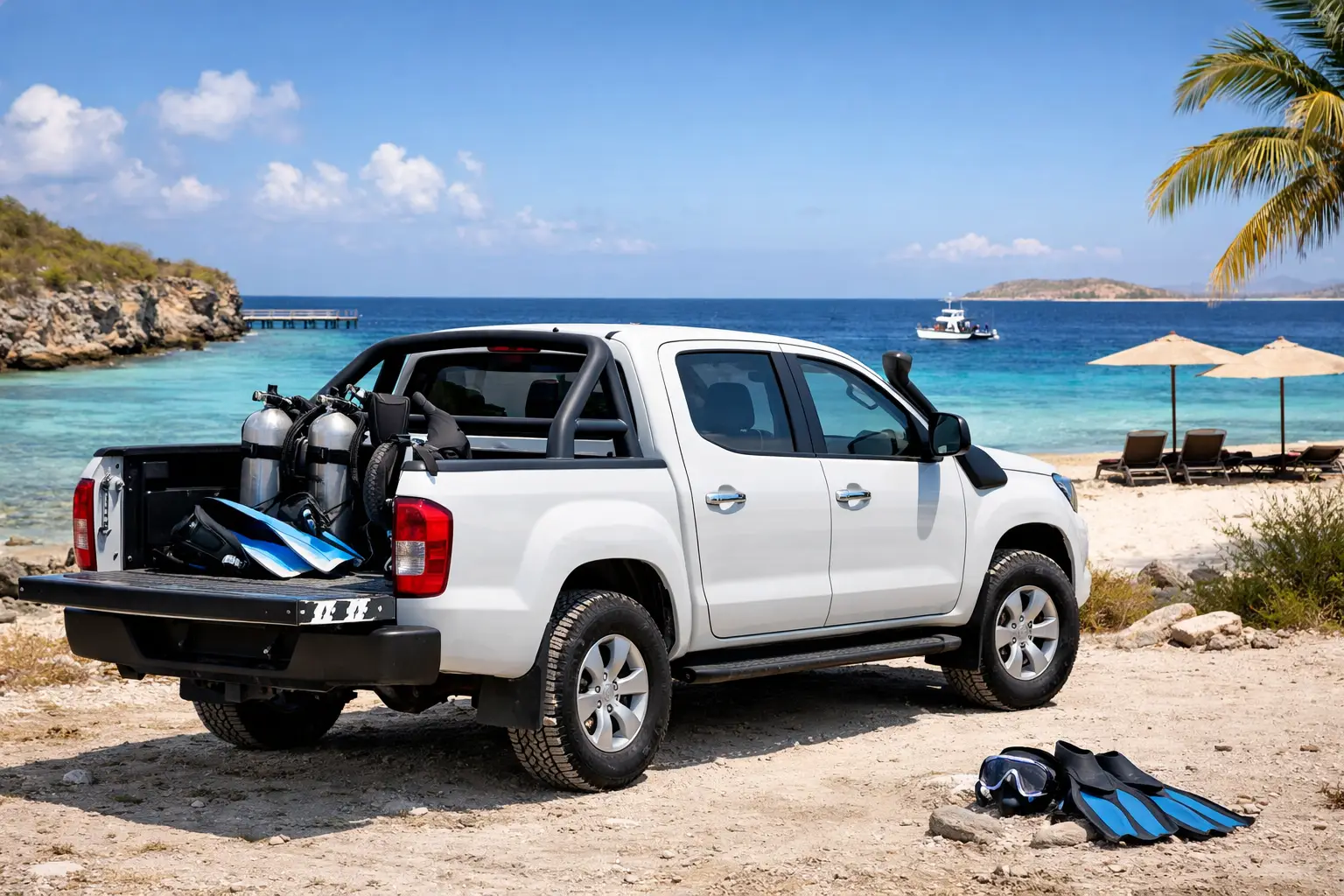
The safest choice is not always the largest vehicle. It is the vehicle that fits your actual group, luggage, and plans. Think beyond the number of seats. If you are traveling with small children, account for car seats, a stroller, beach bags, and a cooler. If you are carrying dive gear, allow room to keep tanks and equipment stable rather than piled around passengers.
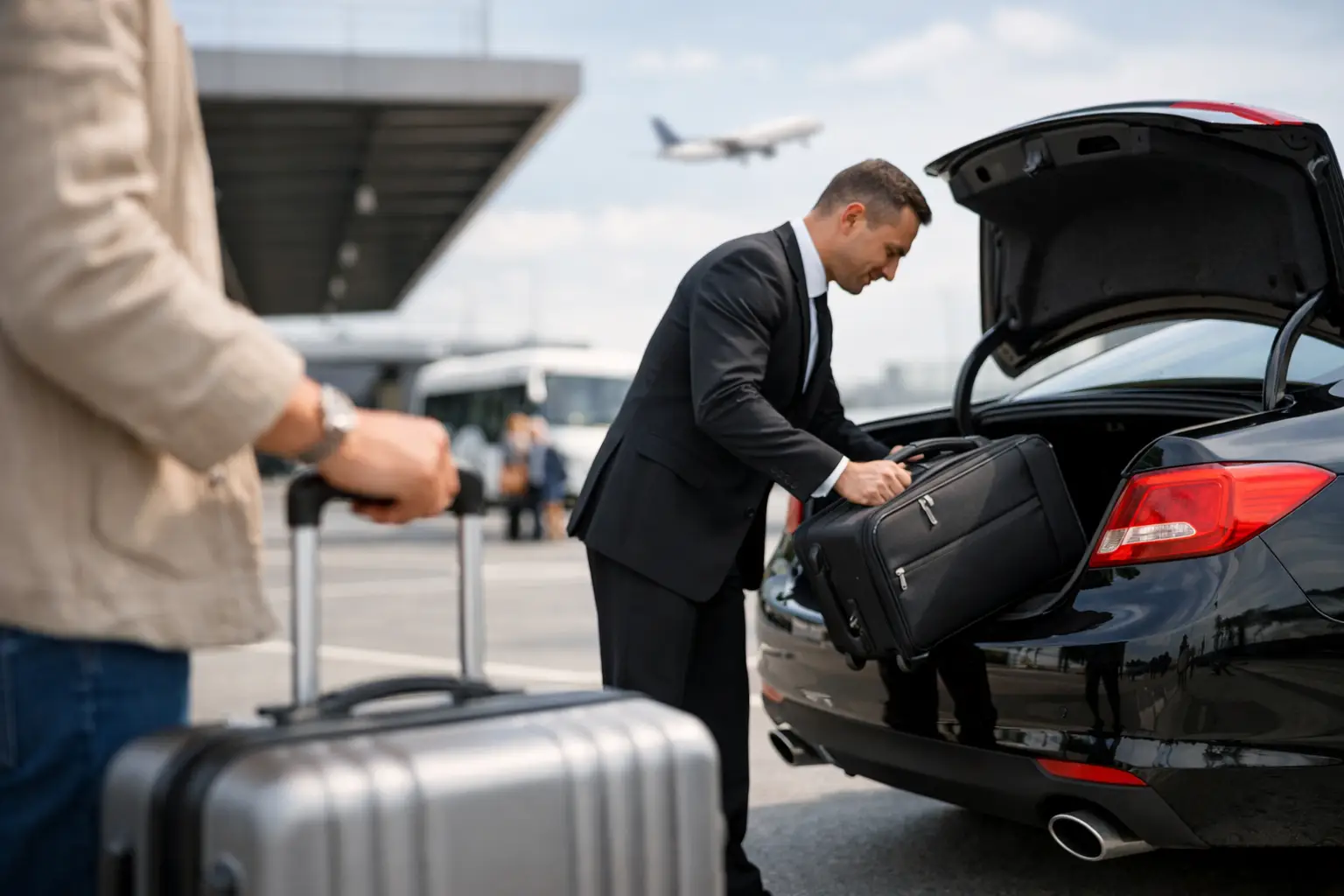
An economy car can be a practical fit for two adults with light luggage and a simple beach itinerary. Families with several bags, older children, or gear will usually appreciate a sedan, SUV, or pickup with more cargo space. If you expect to explore less-developed roads or spend time outside the main town areas, ask which vehicle category best suits the route you have in mind. A larger vehicle may add comfort and clearance, but it should still be easy for the driver to handle and park.
Reserve child seats early if you need them. Availability can be limited during busy travel periods, and children are safest in a restraint that fits their age and size. If you bring your own seat, confirm before traveling that it is approved for use and that you know how to install it securely. The first time you use a new car seat should not be in a hot parking area after a long flight.
When you reserve with Bonaire Rent a Car, share the details that affect your comfort: how many passengers are traveling, whether you have children, how much luggage you expect, and whether you need room for sports or dive equipment. Clear information makes it easier to choose a vehicle that works from day one.
Make Arrival Calm, Not Rushed
Tired drivers and rushed passengers are more likely to miss small details. Bonaire is relaxed, but your arrival routine should still leave time to get settled before you pull away.
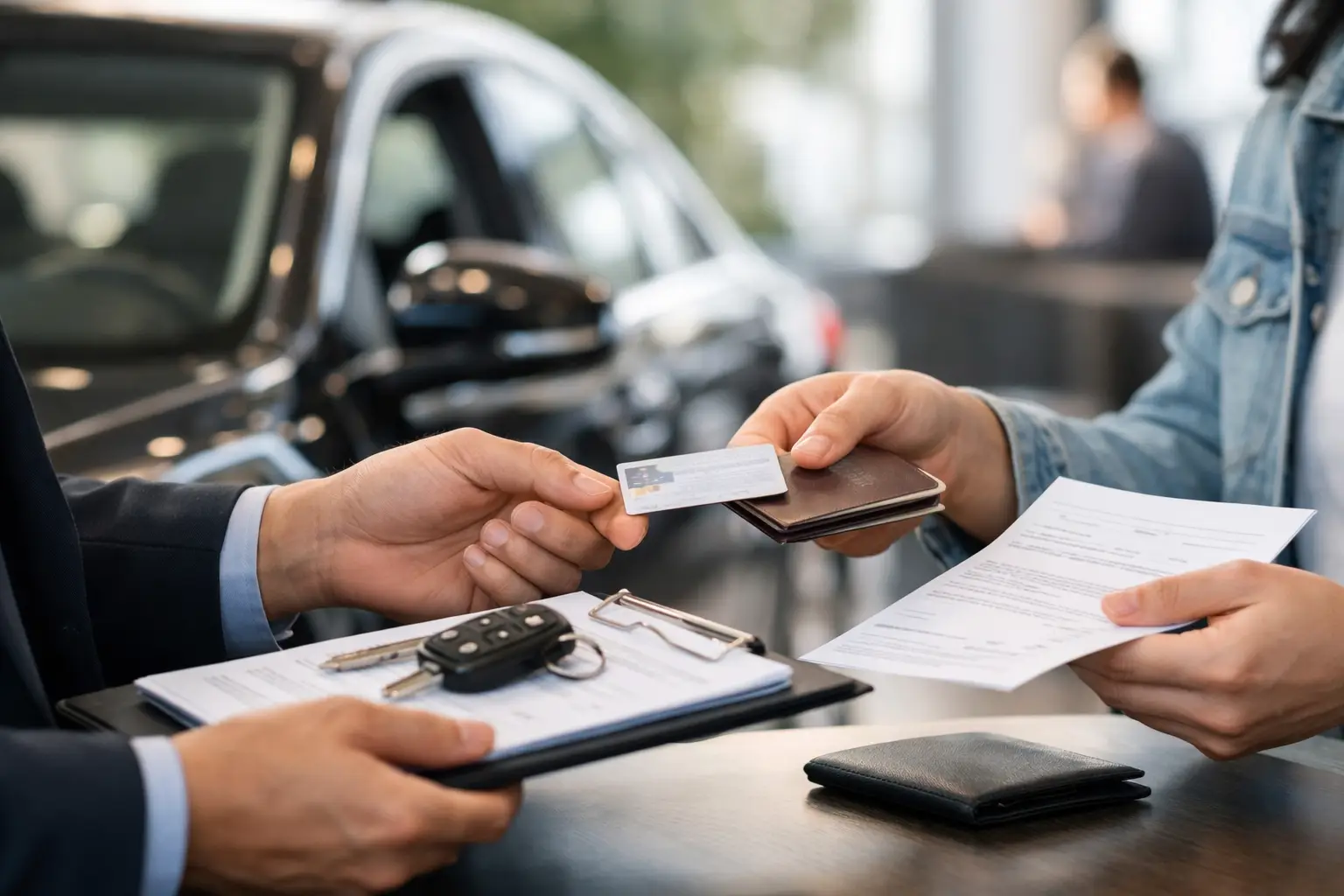
At pickup, take a few minutes to walk around the vehicle with a staff member. Check the location of the seat belt buckles, lights, windshield wipers, fuel gauge, spare tire information, and emergency contact details. Adjust the seat, mirrors, and air conditioning before the kids climb in. If you are installing a child seat, do it while you have space and support nearby, then give it a firm check before driving.
Put your navigation plan in place before leaving. Save your accommodation address, identify your first stop, and keep your phone charged. Cell service and map apps can be helpful, but they are not a substitute for paying attention to road signs, turns, pedestrians, and local traffic. If you are unsure about a route, ask for local guidance before heading out.
It also helps to assign simple jobs. One adult can handle directions while the other checks that every child is buckled in and that loose items are put away. Even a water bottle or beach toy can become a distraction or a projectile during sudden braking.
Drive for Bonaire’s Road Conditions
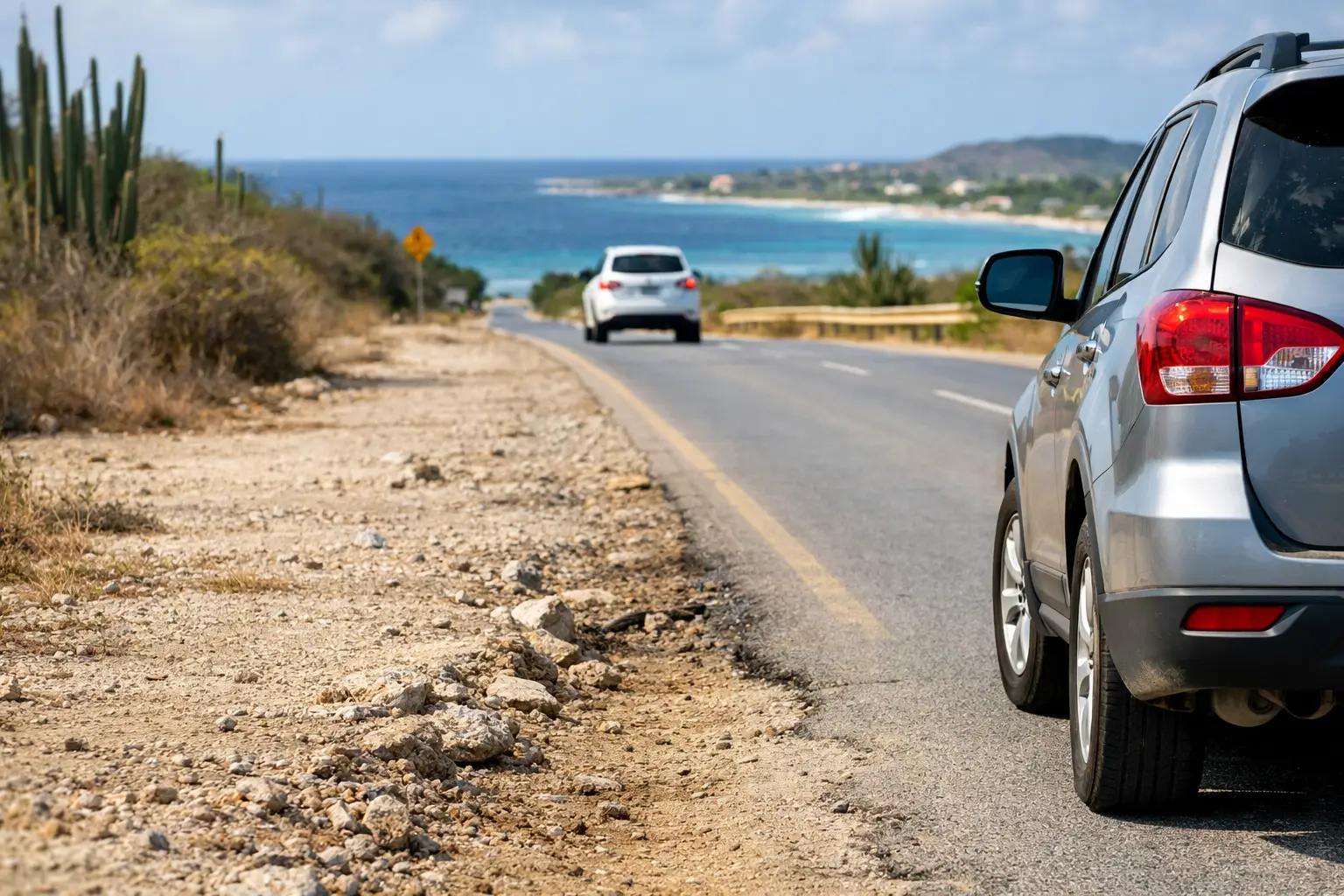
Bonaire driving is generally straightforward, with traffic traveling on the right. Still, island roads call for a different pace than a highway back home. Roads can be narrow, surfaces can change quickly, and you may encounter pedestrians, cyclists, scooters, goats, or donkeys. Expect the unexpected, particularly at dawn, after dark, and outside busier areas.
Keep your speed comfortable for the conditions rather than trying to make up time. Slow down well before turns, intersections, and speed bumps. Give cyclists and scooters plenty of room, and never assume an animal will move predictably out of the roadway. A cautious approach protects your family and respects the people and wildlife that share the island.
Some roads are paved and easy to navigate, while others can be rough, sandy, or uneven. Do not take a rental vehicle onto a road that is unsuitable for its class or outside the rental agreement. This matters especially when exploring remote coastlines, natural areas, and unpaved routes. If an outing involves a rough road, ask in advance whether your chosen vehicle is appropriate or whether another route would be better for your family.
Night driving deserves extra care. Road lighting may be limited away from town, and wildlife can be harder to see. Plan dinner reservations and return trips with daylight in mind when possible. If you do drive after dark, reduce speed, keep your attention on the road, and avoid using your phone while moving.
Keep Children Comfortable and Secure
A child who is hot, hungry, or bored can turn a short drive into a distraction for everyone. Keep water, sunscreen, and a small snack within reach, but secure them so they do not roll under the driver’s feet. For longer drives, plan a stop rather than trying to pass items around the vehicle while it is moving.
Every passenger should use a seat belt for every trip, including quick drives to a nearby beach or restaurant. Children should remain in properly fitted car seats or booster seats as appropriate for their size. Before each drive, make a quick habit of checking buckles, straps, and doors. It takes less than a minute and gives the driver a clear mind.
Never leave children alone in a parked vehicle. Bonaire’s sun can heat an interior quickly, even during a brief stop. Take children with you, lock the car, and keep keys out of reach. If your family has a mix of younger and older kids, agree on a simple rule: no one opens a door or exits until an adult says it is safe.
Pack and Park With Security in Mind
Vacation gear can fill a vehicle quickly. Place heavier items low and toward the back, and keep the driver’s footwell, rear window, and mirrors clear. If you are transporting dive tanks or other heavy equipment, make sure it is properly secured and cannot shift during turns or braking. A vehicle that feels organized is easier and safer to drive.
At beaches, trailheads, and restaurants, take valuables with you whenever possible. Do not leave passports, electronics, wallets, or bags visible inside the car. If something must stay behind, store it out of sight before you arrive at your destination rather than moving items around in a parking lot where others can see.
Choose well-used, appropriate parking areas and pay attention to posted signs. Park fully off the road when permitted, especially in areas with narrow shoulders. Before opening doors, check for passing traffic, bicycles, or scooters. This is a useful habit for children to see and follow.
Have a Simple Plan for the Unexpected
No one plans for a flat tire, a wrong turn, or a child feeling carsick, but a basic plan keeps a small problem from becoming a stressful one. Keep the rental company’s contact information accessible, carry drinking water, and know where your accommodation is located. If something does not feel right with the vehicle, stop somewhere safe and contact the rental team rather than continuing to drive.
For a relaxed day out, tell someone in your group where you are headed and avoid scheduling every hour. Bonaire is best enjoyed with room for a slower beach stop, a scenic detour, or an early return when the kids have had enough sun. Drive patiently, keep everyone buckled, and let the island set a calmer pace for your family.