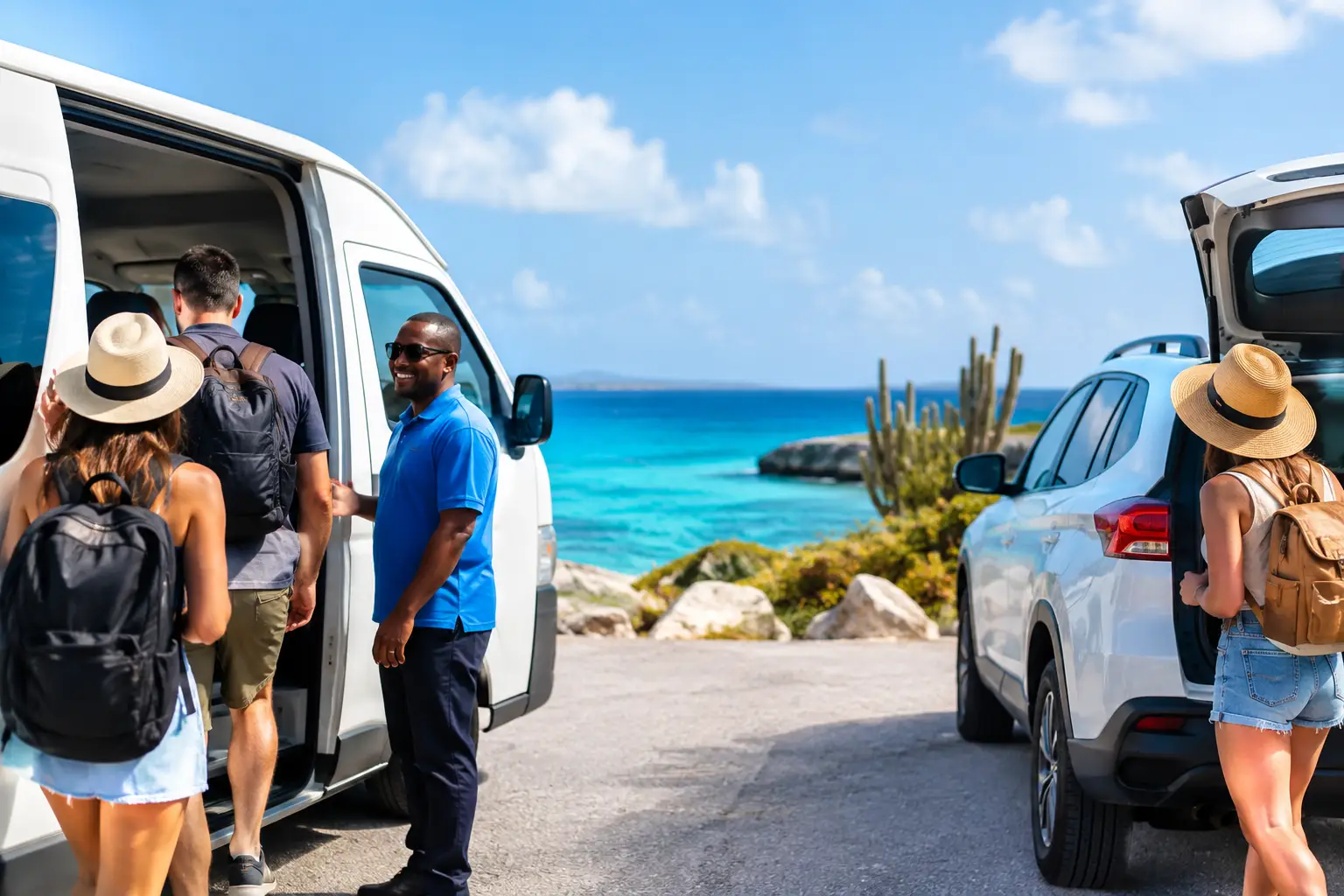


Your first drive in Bonaire may begin just minutes after landing, with warm trade winds, dive bags, and a beach reservation already on the day’s plan. This Bonaire driving essentials checklist helps you get the practical details right before you leave the airport, so your vacation starts with confidence rather than confusion.
A rental car gives you the freedom to follow the island at your own pace. Stop for a swim in the morning, visit a dive site in the afternoon, and choose dinner wherever the evening takes you. A little preparation goes a long way, especially if this is your first visit.
Bonaire Driving Essentials Checklist Before You Arrive
Start with the basics: your reservation confirmation, a valid driver’s license, and the payment card required for your rental. If more than one person plans to drive, make sure every driver is listed on the rental agreement before setting off. This is much easier than trying to change plans midway through a beach day.
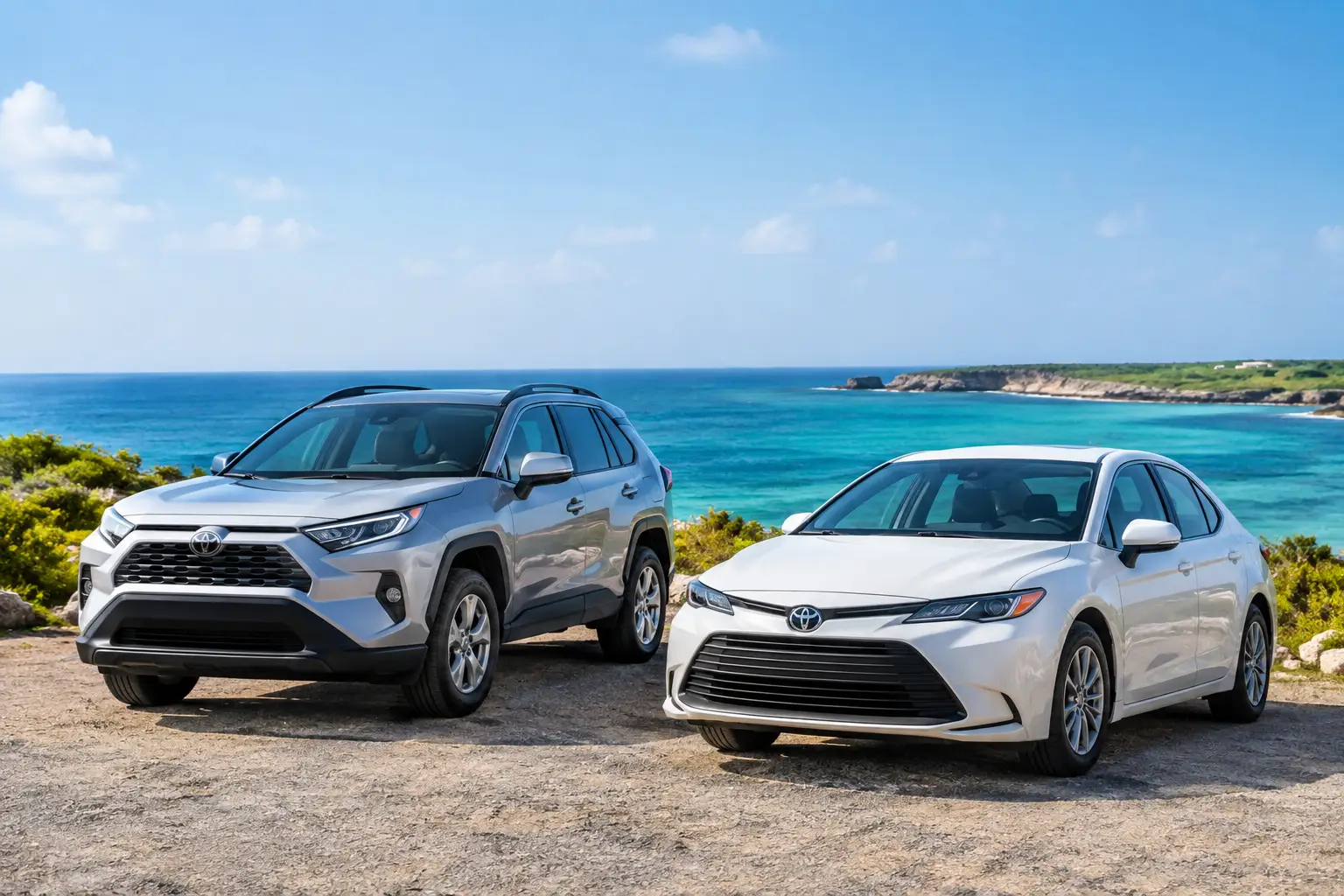
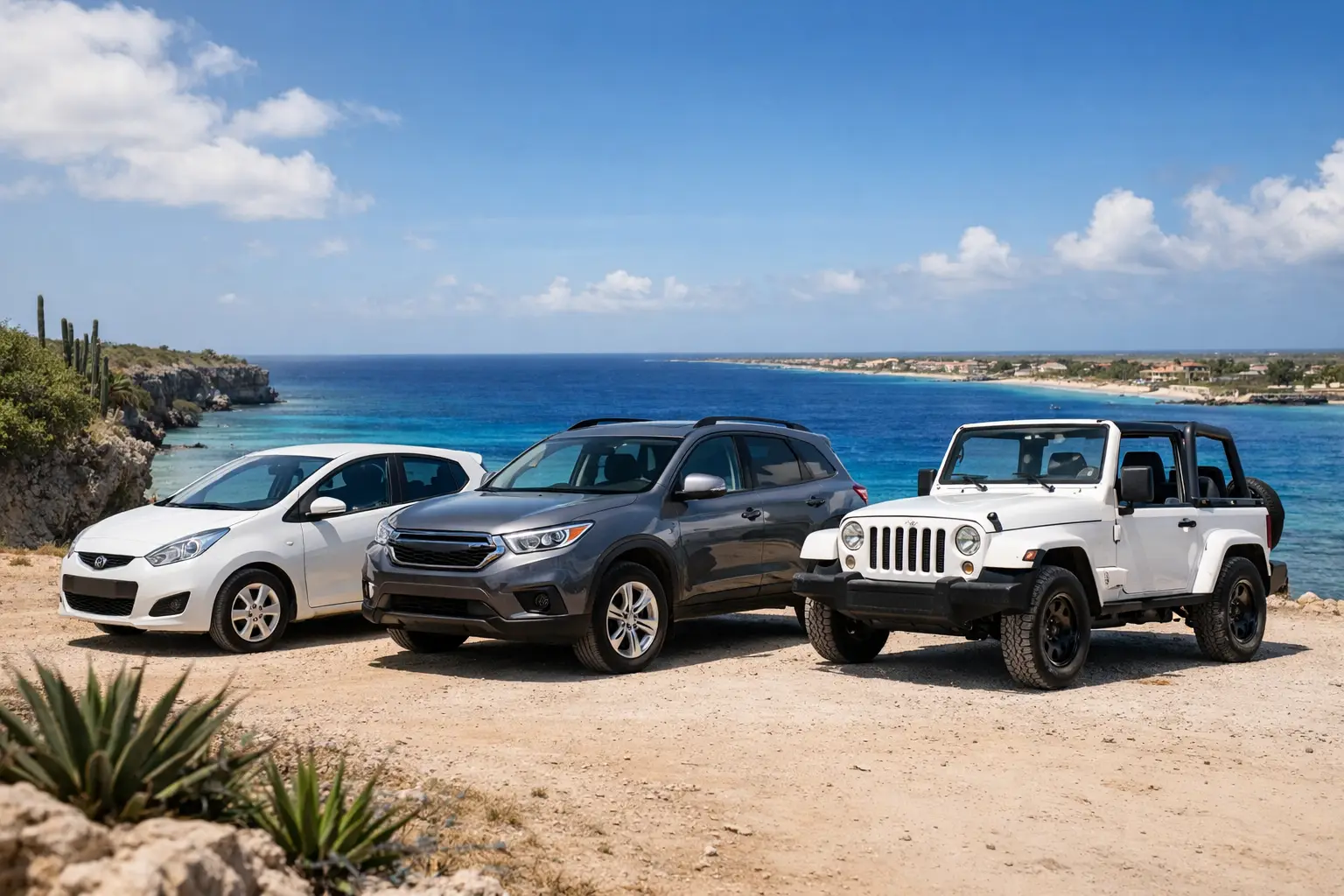
It also helps to choose your vehicle around your actual itinerary, not just the number of people in your group. A compact car can be a comfortable choice for couples spending most of their time around town, restaurants, and paved beach roads. Families may appreciate the extra space of a sedan or SUV. Divers, photographers, and travelers heading toward rougher routes often prefer a pickup with room for tanks, wet gear, coolers, and beach chairs.
Most visitors do not need a large vehicle for every part of Bonaire. However, a vehicle with more clearance can make a difference if your plans include less-developed roads or a visit to Washington Slagbaai National Park. Before booking, consider where you truly want to go and ask which vehicle category is permitted and best suited for those roads.
Save your rental company’s local phone number in your phone before your flight. Keep a screenshot of your reservation too. Internet access is not always immediate when you land, and having these details ready makes pick-up simple. At Bonaire Rent a Car, free airport pick-up and drop-off are designed to remove that first-arrival hassle, so you can get moving without arranging a separate transfer.
At Pick-Up: Take Five Minutes for the Details
Vacation mode is tempting, but a quick vehicle check helps prevent questions later. Walk around the car with the team and note any existing marks. Confirm the fuel level, learn how the air conditioning and lights work, and ask where the spare tire or tire repair equipment is kept.
This is also the right moment to confirm what type of fuel the vehicle uses. Do not assume gasoline or diesel based on the vehicle’s size. Ask about the fuel policy, recommended filling locations, and what to do if you need assistance on the road.
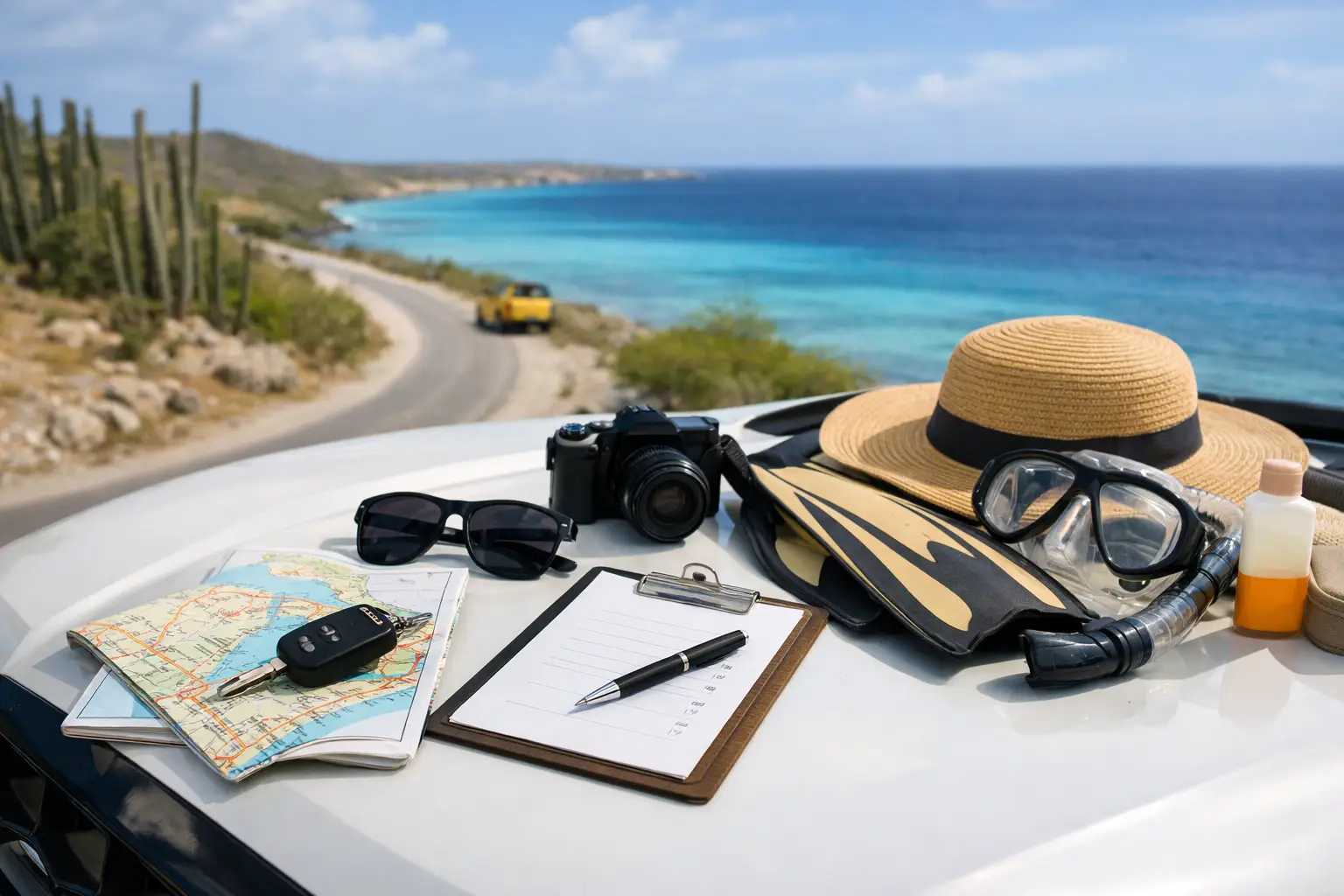
Before you drive away, make sure you have:
- Your rental agreement and local assistance number
- A charged phone and charging cable for the vehicle
- Downloaded offline maps or saved destinations
- Sunglasses, sunscreen, and drinking water
- Secure space for dive gear, luggage, or beach equipment
If you are carrying scuba tanks, ask the rental team about the safest way to load and secure them. A pickup can be especially useful for dive groups, but tanks and other heavy gear should always be stable and properly positioned before you drive.
Know the Rules of the Road in Bonaire
Bonaire drives on the right-hand side of the road, which feels familiar for visitors from the United States. Still, the island’s pace and road conditions are different from driving at home. Roads can narrow quickly outside town, signs may be smaller than expected, and local traffic includes cyclists, pedestrians, and animals.
Follow posted speed limits and slow down in residential areas, near schools, and when approaching intersections. Roundabouts are common, so watch carefully for vehicles already circulating and use your turn signal as you exit. Seat belts should be worn by everyone in the vehicle.
Do not use your phone while driving. If you need to check directions, pull over safely first. It is also wise to keep alcohol out of the driver’s plans entirely. Bonaire is an island for relaxing, but the road home after dinner still requires a clear, attentive driver.
You may see goats, donkeys, iguanas, and other animals near or on the road, especially beyond busier areas. They do not always move quickly or predictably. Reduce your speed, give them room, and avoid sudden swerving that could put you or another driver at risk.
Plan for Island Roads, Not Just the Map
A navigation app is useful, but it cannot tell you everything about the surface ahead. Bonaire’s main roads are generally straightforward, while some routes to remote shore entries, windsurfing areas, viewpoints, and natural attractions can be uneven or unpaved.
Drive slowly on rough roads and avoid taking a standard rental car onto tracks that are not appropriate for it. Loose stones, washouts, and sharp coral can damage tires and undercarriages. The fastest-looking route on a map is not always the best route for your vehicle.
This matters most when visiting the northern side of the island or areas with limited services. If you are planning a day at Washington Slagbaai National Park, start early, bring water, and follow park instructions. Ask in advance about current road conditions, entry requirements, and vehicle recommendations. Conditions can change after rain.
Bonaire’s natural landscape is one of its greatest attractions. Help protect it by staying on designated roads and parking only where permitted. Do not drive on beaches, salt flats, coral terrain, or undeveloped coastal areas. Besides causing damage to a sensitive environment, these surfaces can leave a vehicle stuck or damaged far from help.
Fuel, Parking, and Daylight Planning
Fuel stops are easy to handle when you plan ahead. Fill up before a long day of exploring rather than waiting until the gauge is low, especially if you are heading north or south of the main town area. Confirm your fuel type each time you stop and keep your receipt if needed for your rental return.
Parking is usually more relaxed than in a major city, but common sense still matters. Lock the vehicle, close the windows, and do not leave phones, wallets, cameras, or bags in plain sight. If you are diving, keep valuables out of view and avoid leaving wet gear where it can affect the car’s interior or block your visibility.
Try to make your first few drives during daylight. Outside central areas, road lighting can be limited, and it is harder to spot animals, cyclists, potholes, or uneven shoulders after dark. Bonaire is small, but an unfamiliar route can feel very different at night.
Rain is usually brief, yet it can make road surfaces slick and create puddles that hide rough patches. When it rains, slow down, increase your following distance, and give yourself extra time. There is no need to rush across an island built for taking things slower.
Build Flexibility Into Your Driving Days
The best Bonaire days often have a loose plan: breakfast in town, a favorite beach, a dive or snorkel stop, and whatever catches your attention next. Keep water in the car, bring more sun protection than you think you need, and leave room in the day for a scenic roadside stop.
If you are traveling with children, plan shorter stretches between stops and make sure their seating needs are arranged before arrival. If you are traveling with a group, agree on who drives before the day begins. Small decisions handled early keep everyone happier when the sun is high and the next swim spot is calling.
A reliable car is not just transportation on Bonaire. It is your connection to quiet coves, shore dives, colorful sunsets, and dinners that do not need a schedule. Set out prepared, drive with care, and leave enough time to take the road that looks interesting.