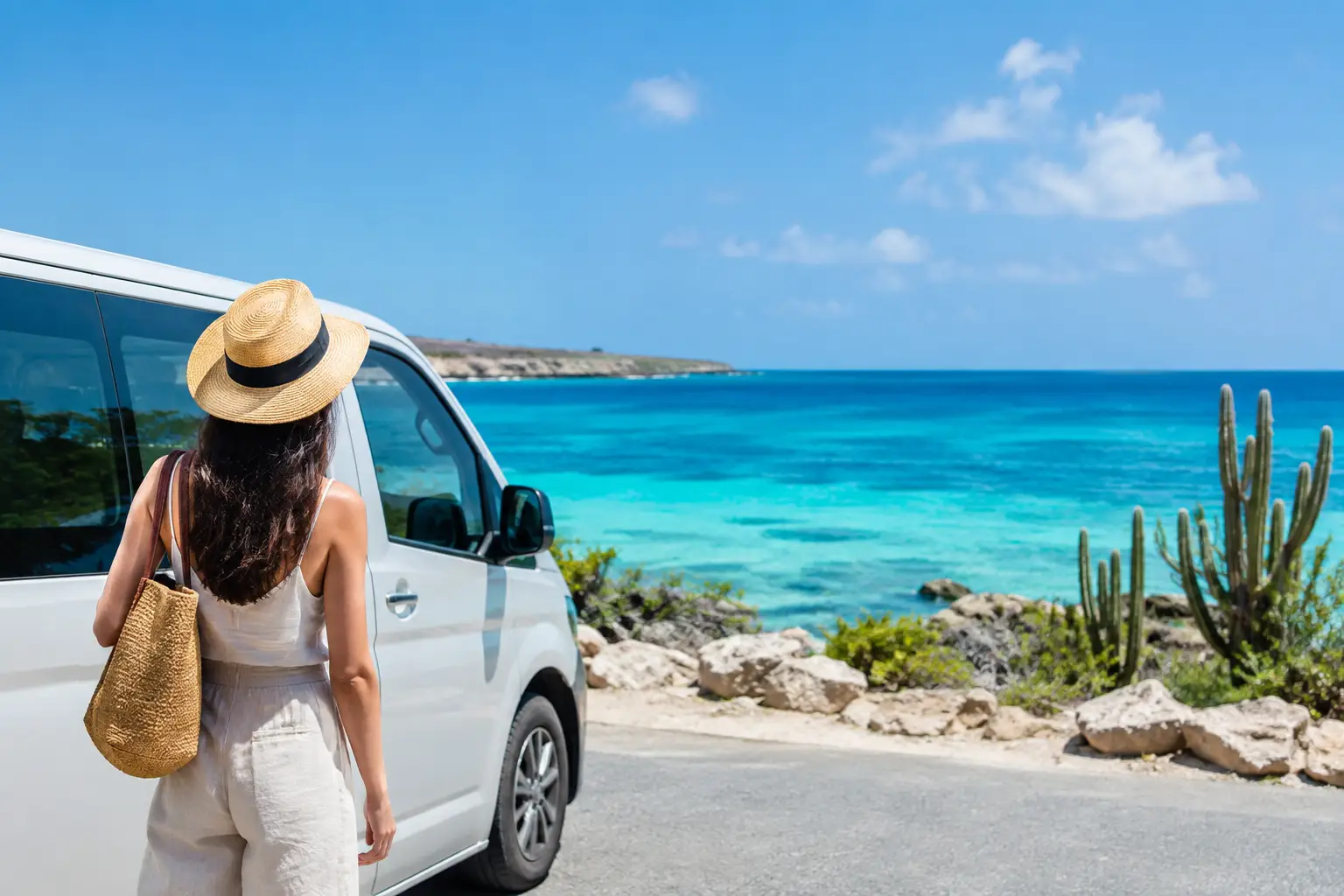


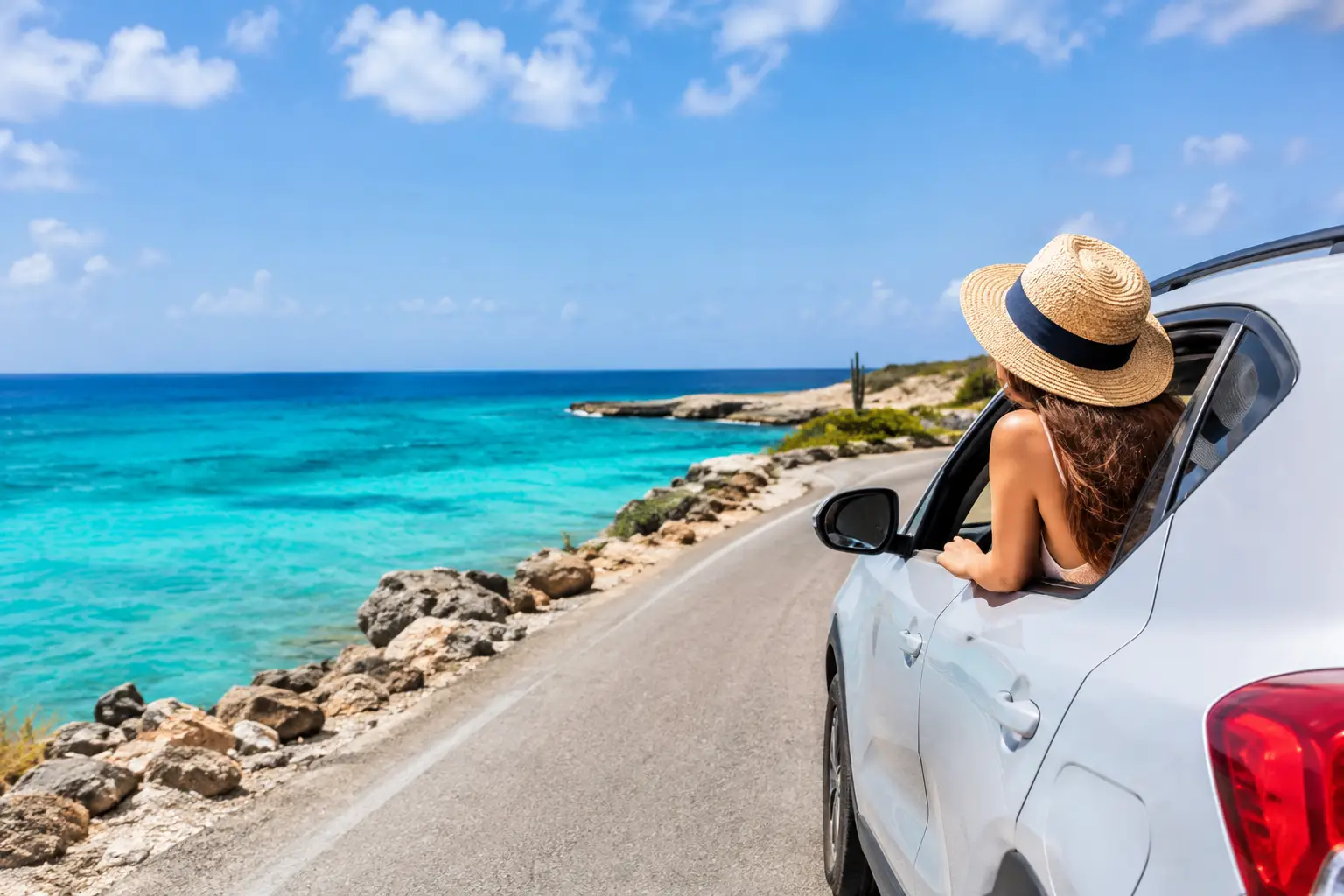
Your first Bonaire road trip may begin only minutes after landing: bags collected, sun overhead, and a beach, dive site, or dinner reservation already on your mind. Knowing how to prepare for island driving before that moment makes the first drive feel easy rather than uncertain. Bonaire is relaxed, but its roads, weather, and open landscape call for a little practical planning.
A rental car gives you the freedom to follow your own schedule, whether that means an early start for a shore dive, a quiet afternoon at Sorobon, or dinner in town after a day on the east coast. Here is what to consider before you get behind the wheel.
Choose a vehicle for your actual plans
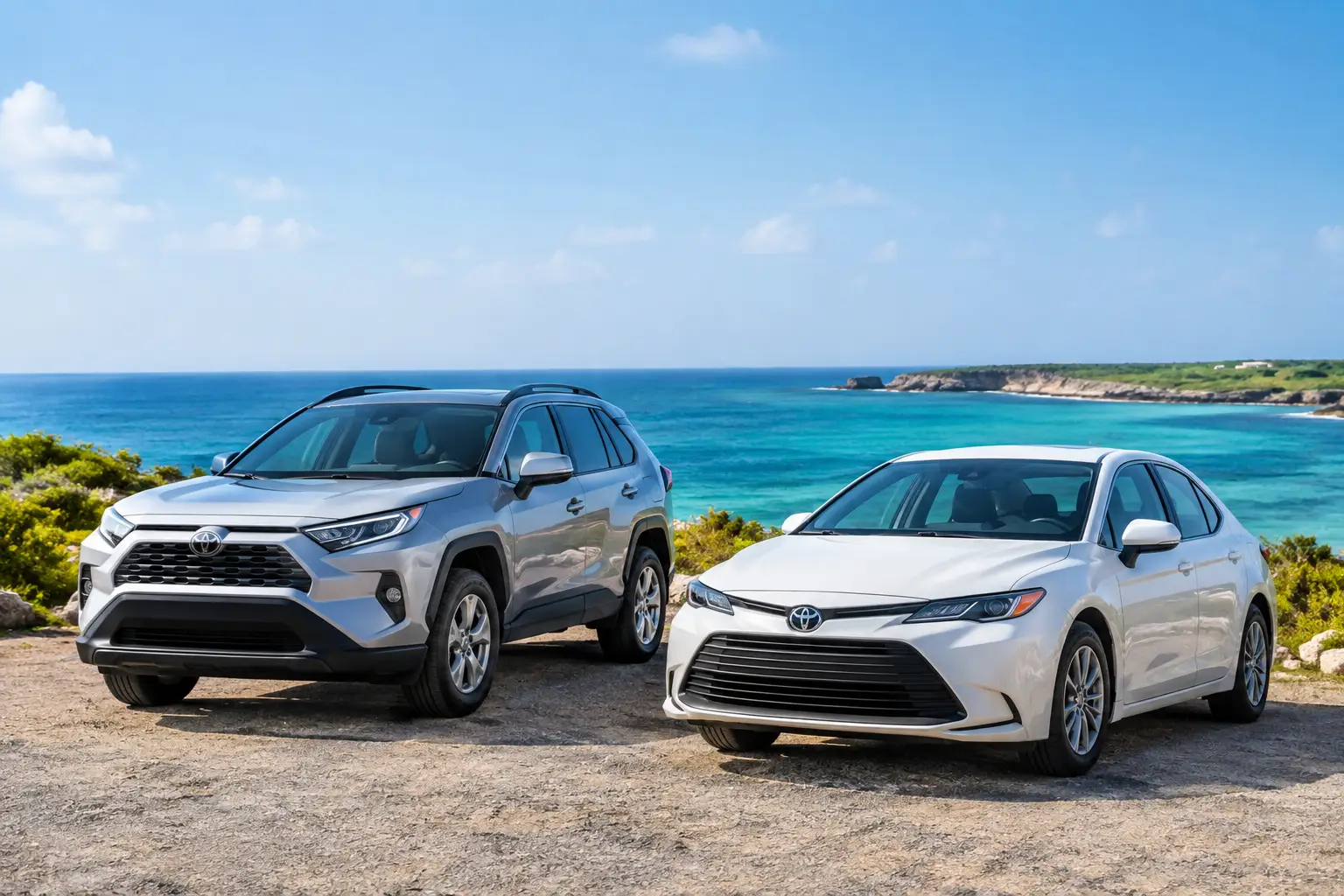
The right vehicle is not always the largest one. For couples spending most of their time around Kralendijk, beaches, restaurants, and easy-access dive sites, an economy car or sedan can be a comfortable, sensible choice. It is easier to park, uses less fuel, and handles everyday island driving well.
If you are traveling with family, several friends, or lots of luggage, a larger SUV or pickup can make the week more comfortable. Divers should think about the real volume of their equipment. Tanks, rinse bins, fins, coolers, and wet gear can quickly fill a trunk. A pickup is often a practical fit when dive gear is part of the plan, especially if you want to keep sandy or wet items out of the passenger area.
Your itinerary matters most. Some roads beyond the main areas are rougher, unpaved, or uneven after weather changes. A higher-clearance vehicle may be a better match for visitors planning more remote outings. That does not mean every traveler needs a 4WD vehicle. It means choosing enough vehicle for the places you truly expect to go, while following the rental agreement and local access rules.
How to prepare for island driving before arrival
A few details handled at home make arrival day much simpler. Reserve early if you are visiting during a busy travel period, particularly when you have a specific vehicle type in mind. Confirm your flight details, pickup instructions, rental dates, and the number of people and bags in your group.
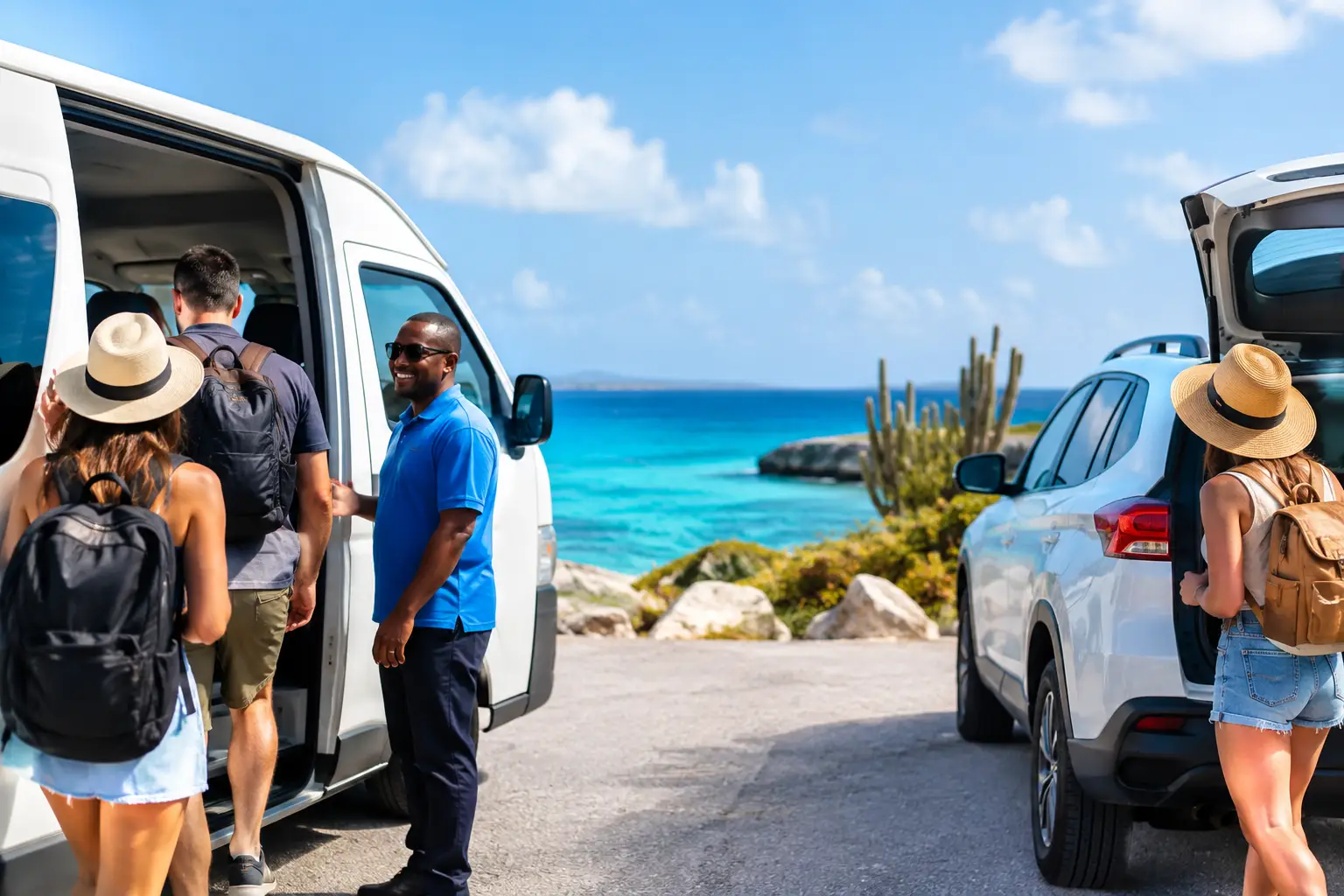
Bring a valid driver’s license and the payment method required for your reservation. If more than one person will drive, arrange that in advance so everyone understands the rental terms. It is also smart to save the rental company’s contact information in your phone before your flight. Cell service and travel logistics are easier when you already know whom to call.
At Bonaire Rent a Car, free airport pickup and drop-off can remove one extra arrival-day step. Still, make sure your reservation information is accurate, especially if your flight schedule changes. A quick message before travel can prevent unnecessary waiting.
Get comfortable with Bonaire’s roads
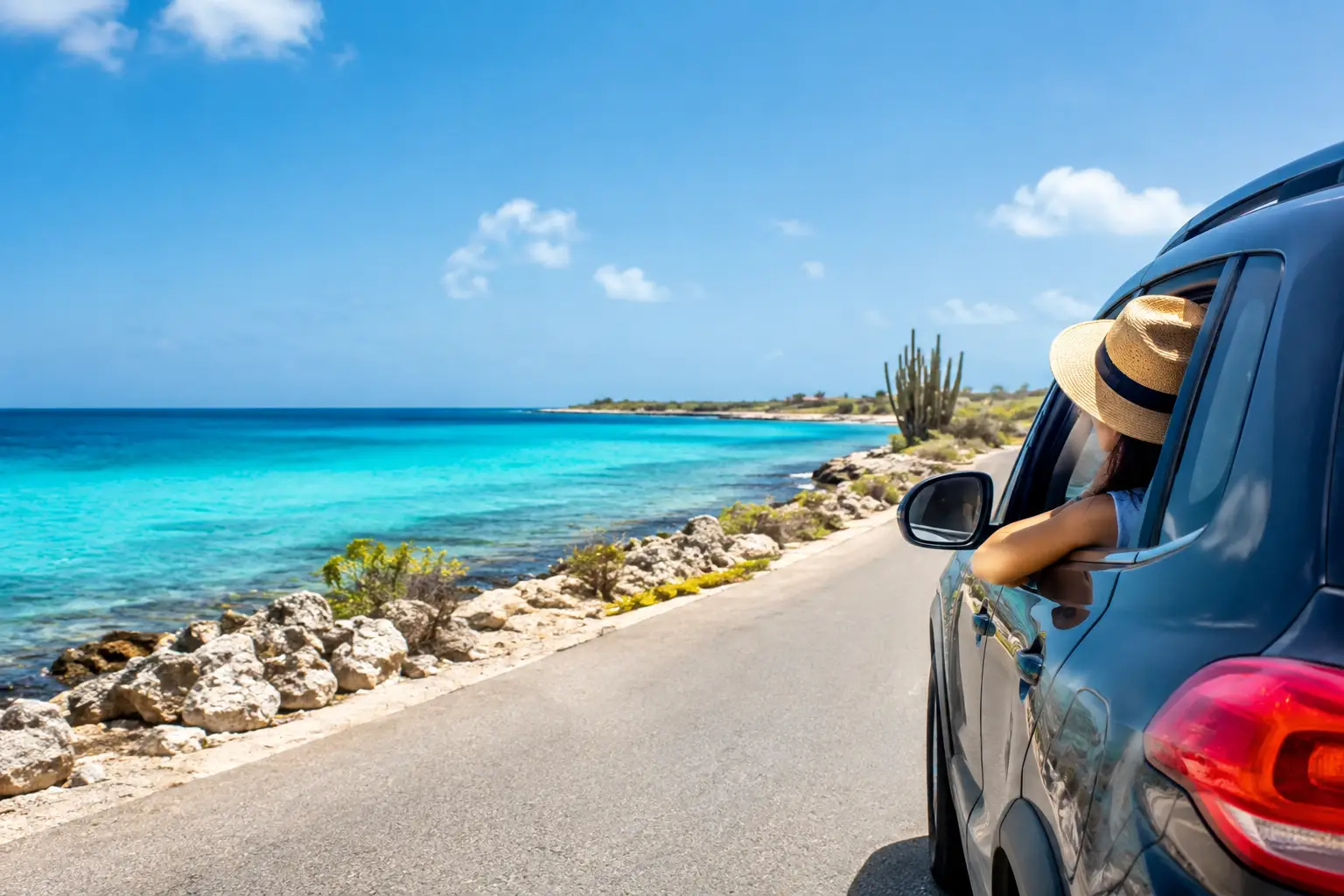
Traffic in Bonaire drives on the right. Roads around Kralendijk and the main routes are generally straightforward, but the island is not a place to rush. You may encounter roundabouts, narrow roads, uneven shoulders, cyclists, pedestrians, and vehicles stopping unexpectedly.
Pay close attention to posted speed limits and slow down near neighborhoods, schools, and busy waterfront areas. Speed bumps can appear where you least expect them, and taking one too quickly is a fast way to make everyone in the car unhappy. At roundabouts, yield to traffic already circulating and use calm, predictable turns.
Outside town, conditions can change quickly. Some roads have loose gravel, potholes, dips, or coral-stone surfaces. Drive at a speed that gives you time to react, especially on unfamiliar routes. Avoid treating a scenic drive like an off-road course. Rental vehicles and island roads both last longer when driven with care.
Watch for animals and people
Goats, donkeys, iguanas, and other animals can wander close to or across the road. They do not follow a schedule, and they may be harder to spot at dusk or after dark. Slow down, keep a safe distance, and never swerve sharply to avoid an animal if doing so would put others at risk.
Bonaire also has many walkers, runners, and cyclists sharing the road. Give them room and expect them near beach access points, residential streets, and popular activity areas. The most enjoyable island drives are unhurried ones.
Plan fuel, navigation, and daytime travel
Do not wait until the fuel gauge is near empty to look for a station. Fill up before longer drives or before heading into quieter parts of the island, and ask your rental team about the fuel level expected at return. This is especially helpful if your departure flight is early.
Download offline maps before you arrive or while connected to reliable Wi-Fi. Navigation apps are useful, but island addresses and beach entrances may not always display exactly as expected. Keep an eye on road signs, and allow extra time when searching for a particular dive site, restaurant, or accommodation.
Daylight is your friend on unfamiliar roads. Try to make your first drive to a new or remote destination during the day, when you can clearly see road surfaces, turns, animals, and landmarks. If you will be returning after dinner, know your route before leaving and drive more slowly than you would in daylight.
Protect the car from salt, sand, and wet gear
Bonaire is made for beach days and diving, so a little sand and water are normal. The goal is to keep them manageable. Shake out towels and gear before loading the vehicle, use a bin or bag for wet items, and keep cameras, phones, and valuables out of sight.
Never leave dive gear, bags, or electronics visible in an unattended car. Even in a relaxed destination, basic travel habits matter. Lock the vehicle whenever you park, take valuables with you, and choose well-used parking areas when possible.
If you are transporting tanks or bulky equipment, secure it carefully so it cannot roll or shift during a turn or sudden stop. Ask for guidance if you are unsure how much your selected vehicle can comfortably carry. A safe load makes the drive better for everyone.
Park with care at beaches and dive sites
Beach and dive-site parking can be informal, but that does not mean parking anywhere is a good idea. Do not block driveways, gates, access roads, or another visitor’s vehicle. Stay off fragile vegetation and avoid soft ground where a vehicle could get stuck.
At popular sites, leave space for others to turn around and unload gear. If the shoulder is narrow, park fully off the travel lane only when it is safe to do so. A few extra steps to the water are better than creating a hazard on the road.
Some protected areas and remote destinations have specific entry, vehicle, or parking requirements. Check current rules before you go, particularly if your plans include Washington Slagbaai National Park or less-traveled coastal areas. Conditions and access guidance can change with weather and maintenance needs.
Know what to do if plans change
Before driving away, take a few minutes to check the vehicle with a staff member. Confirm how the lights, wipers, fuel door, air conditioning, and spare-tire or roadside procedures work. Take note of existing marks on the vehicle and ask questions while help is right there.
If you have a flat tire, mechanical issue, or a minor accident, move to a safe location if possible and contact the rental company promptly for instructions. Do not guess about repairs or continue driving a vehicle that feels unsafe. For an emergency, contact local emergency services first.
Weather can also change your plans. A brief shower may make dusty roads slick, and strong winds can affect driving comfort on exposed routes. Give yourself permission to adjust the day’s itinerary. Bonaire rewards flexibility: there is always another beach, another meal, or another sunset to enjoy.
The best preparation is simple: choose a vehicle that fits your trip, learn the basics before arrival, and leave room for the island’s slower pace. With a little care behind the wheel, your rental car becomes the easy connection between the places you planned to see and the unexpected stops that become favorite memories.