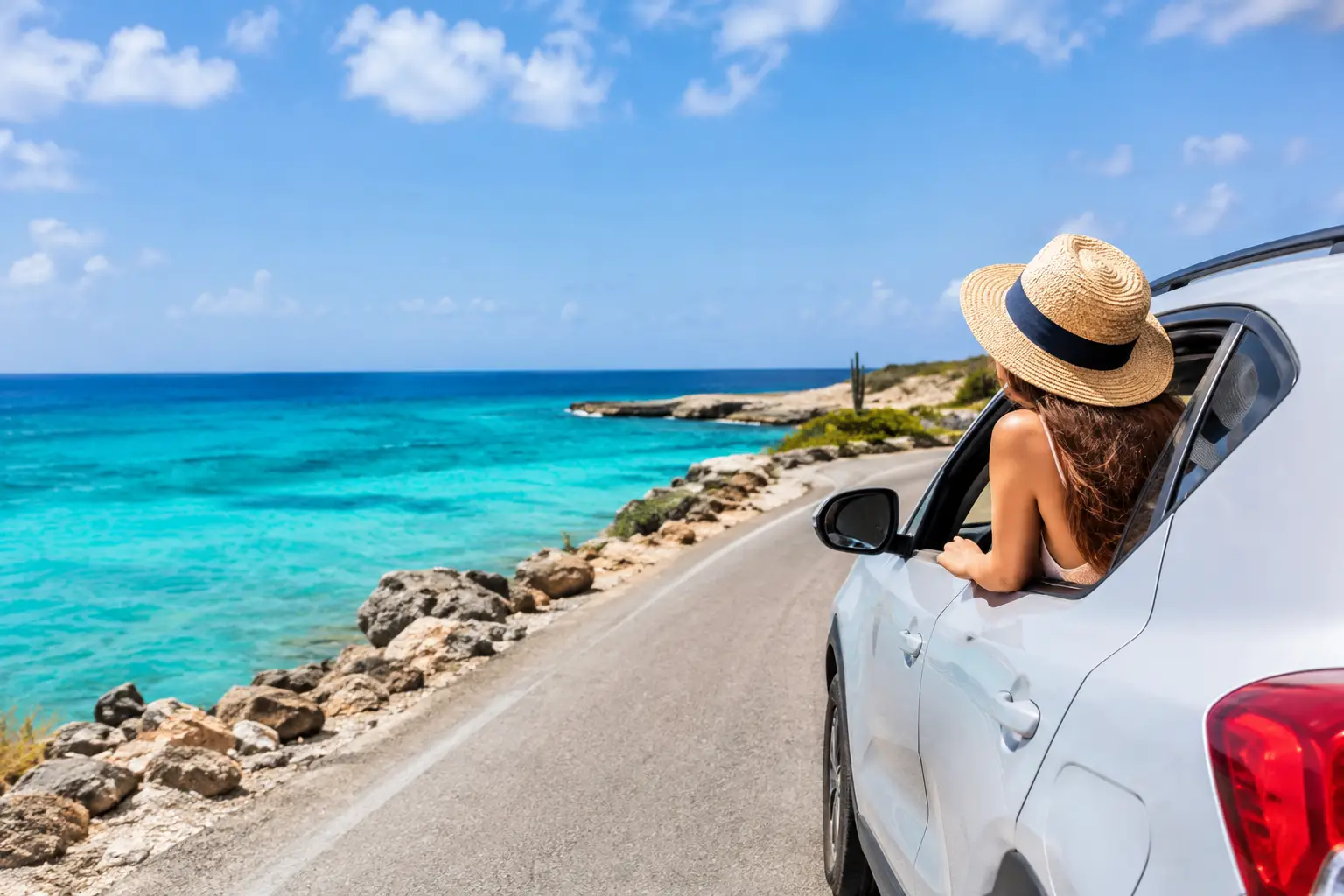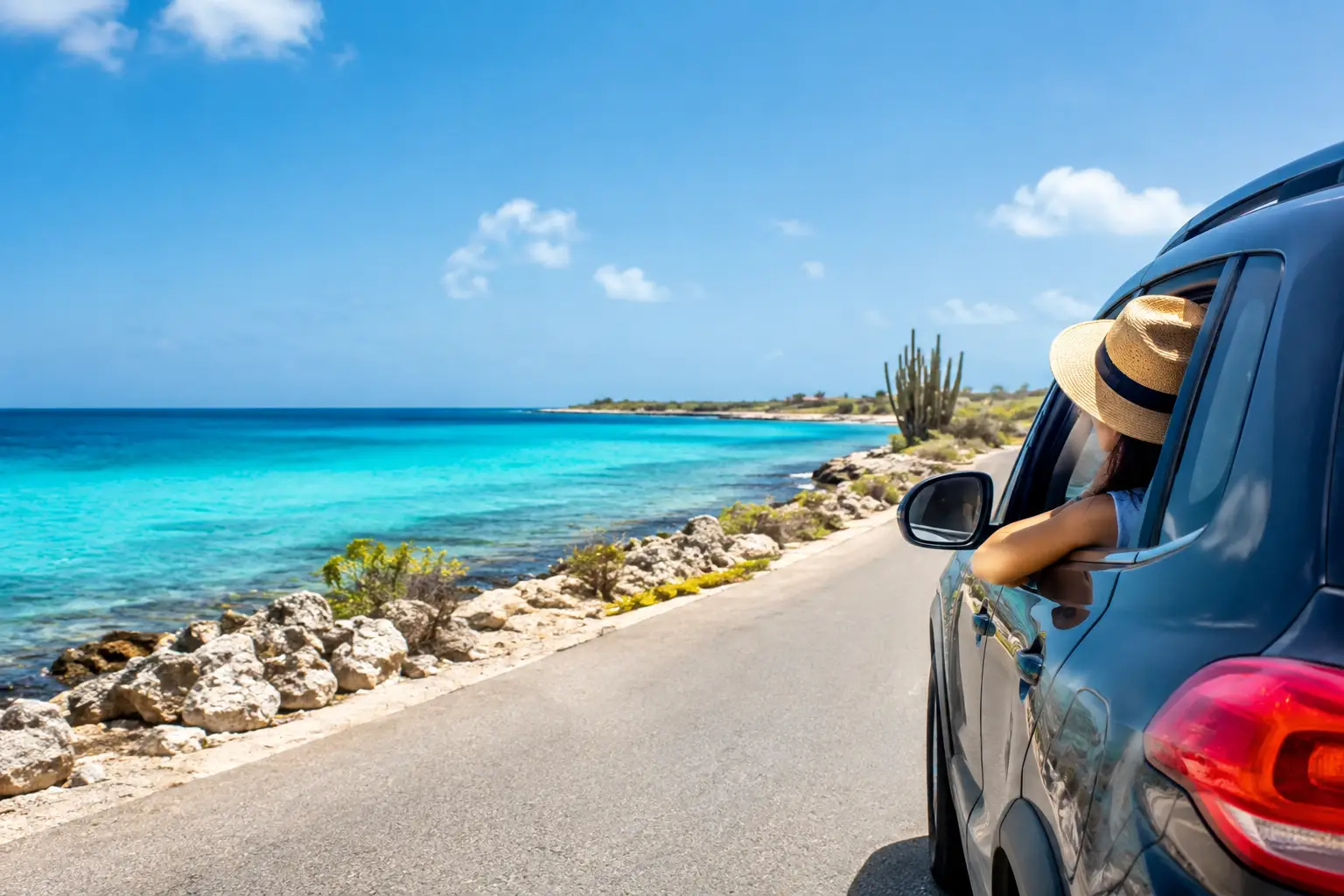


A shore-diving morning on Bonaire often starts before the sun is fully up: tanks loaded, masks checked, breakfast packed, and a favorite reef site calling. Knowing how to transport diving equipment safely makes that early start much easier. The right vehicle setup protects your gear, keeps the cabin comfortable, and lets you focus on the water rather than a shifting tank in the back seat.
Bonaire is made for independent divers. You can build a day around several shore entries, stop for lunch between dives, and take the scenic route home with salty gear in tow. A little planning goes a long way, especially when your group is carrying tanks, BCDs, wetsuits, fins, weights, cameras, and dry bags.
Start With the Right Vehicle for Your Dive Plan
The best vehicle depends on how many people are traveling, how much equipment you are bringing, and where you plan to drive. A couple carrying two tanks, soft gear, and a small camera setup may be comfortable in an economy car or sedan if the trunk is roomy and tanks are secured properly. For more space, an SUV or pickup gives you extra room for wet gear, beach bags, and the supplies that tend to accumulate over a full day of diving.
Pickups are a practical choice for divers who expect to carry multiple tanks or who do not want damp equipment inside the cabin. The open bed separates sandy fins and wet BCDs from your personal bags. It also makes loading simpler at a dive shop or after a long afternoon at the shore.
That said, an open truck bed is not automatically better in every situation. Gear can be exposed to sun, wind, and brief rain showers. If you choose a pickup, use bins, mesh bags, or a cover for items that should stay protected. Cameras, dive computers, masks, and electronics should ride in the cab whenever possible.
For families or groups of friends, space becomes the deciding factor quickly. Four divers with tanks and full sets of gear may need an SUV, pickup, or more than one vehicle. Trying to squeeze everything into a compact car can make the ride uncomfortable and create a safety issue before you even leave the parking area.
How to Transport Diving Equipment Without Damage
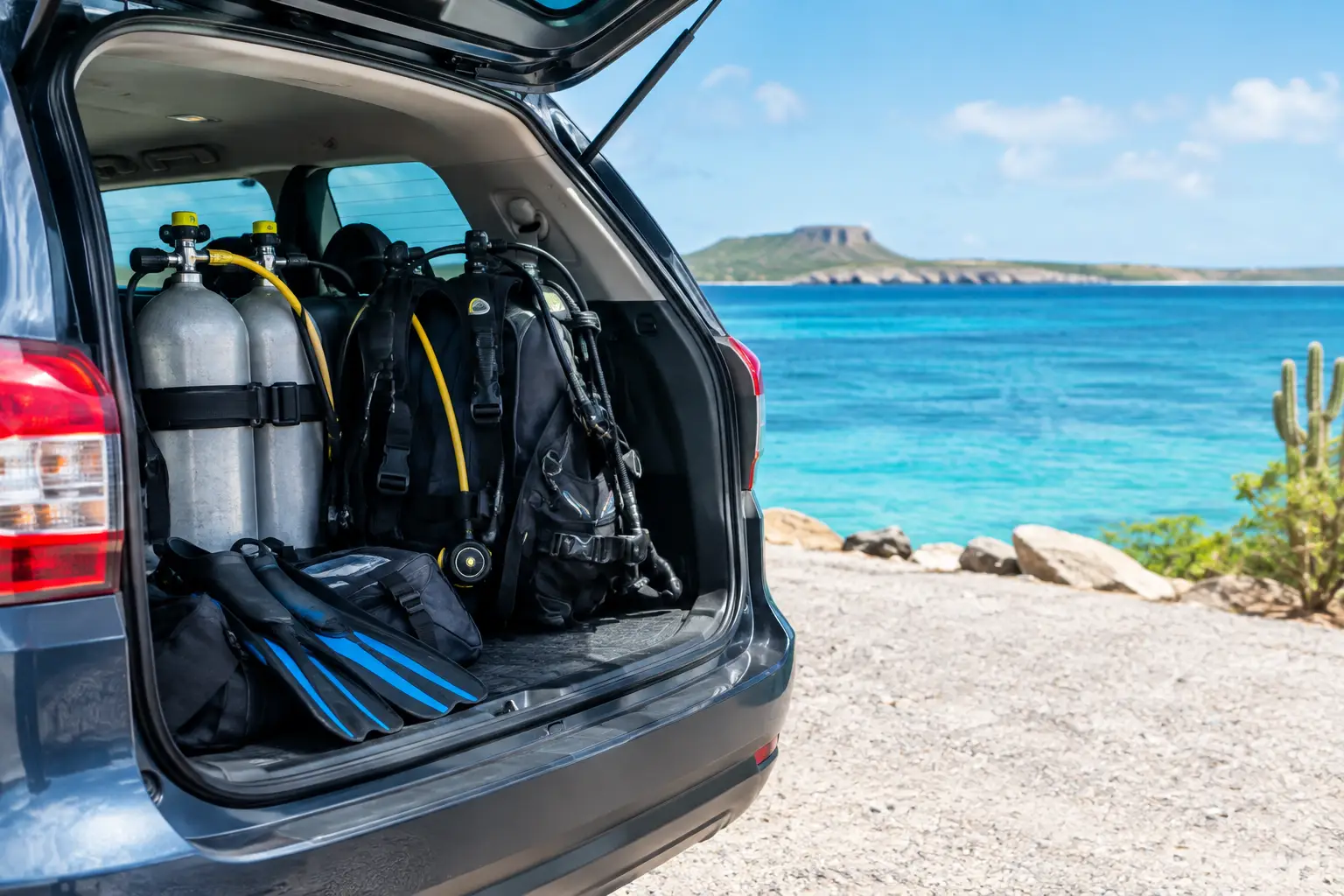
The main rule is simple: heavy items go low, light items go on top, and nothing should be free to roll around. A tank that shifts during a turn can damage your vehicle, your gear, or someone’s foot when unloading.
Secure dive tanks first
Dive tanks deserve the most attention because of their weight and shape. Lay them horizontally in a trunk or truck bed when possible, with the valves protected and positioned so they cannot bang into other equipment. Keep them from rolling with tank racks, cargo straps, sturdy bins, towels, or other soft gear placed snugly around them.
Never leave tanks loose on a seat or standing unsecured in the vehicle. Even on Bonaire’s generally relaxed roads, you may brake unexpectedly for a goat, cyclist, or another driver. If you are carrying tanks in a pickup bed, secure them to prevent movement. Do not stack heavy tanks on fragile items such as regulators, masks, or camera housings.
It is also wise to avoid leaving tanks in direct sun for extended periods. Bonaire is warm year-round, and a parked vehicle can heat up quickly. Pick up tanks close to departure time, park in shade when available, and unload them when you return to your accommodation.
Keep delicate gear inside and organized
Regulators, dive computers, masks, lights, action cameras, and underwater camera equipment need a calmer ride. Pack them in padded cases or dedicated gear bags, then place those bags in the cab or on top of larger soft items. A simple towel between hard cases can prevent scratches and rattling.
If you bring an underwater camera system, give it its own protected space. Sand and saltwater are part of a Bonaire dive vacation, but they do not need to be part of every camera bag. Keep housings closed while traveling and avoid setting them directly on the ground at the dive site.
Fins, wetsuits, rash guards, and BCDs are easier to manage in mesh bags or large bins. They may be wet after your first dive, so separating them from dry clothes, phones, and snacks saves a lot of frustration later. A few reusable bags or a waterproof tote can make a noticeable difference on a multi-dive day.
Separate clean, wet, and sandy items
The easiest way to keep a vehicle usable throughout your trip is to create three simple zones: dry personal belongings, clean dive equipment, and wet or sandy gear. Your dry zone might be a backpack in the cabin. Your clean gear zone holds tanks, regulators, and BCDs before the first dive. Afterward, the wet zone is for wetsuits, towels, and fins.
This approach is especially helpful when you are heading from a shore dive straight to lunch or a sunset viewpoint. You will not have to dig through damp neoprene to find a wallet, sunscreen, or clean shirt.
Plan for Bonaire’s Shore-Diving Conditions
Many of Bonaire’s dive sites are reached from the road, but access varies. Some entries are straightforward, while others involve uneven ground, rocky edges, or a short walk over coral rubble. Pack with the entry in mind, not just the drive.
Avoid overloading yourself with loose gear. A tank backpack or sturdy BCD, a mesh bag for fins and mask, and a small dry bag for valuables are often easier to carry than several separate items. If you are diving with a buddy, divide shared items such as water, snacks, first-aid supplies, and surface signaling equipment between you.
Road conditions can vary too. The island rewards curious travelers, but some routes are better suited to vehicles with more ground clearance. If your dive plans include more remote locations or a day combining dive sites with Washington Slagbaai National Park, ask for vehicle guidance before booking. A friendly local recommendation can help match your plans to the right vehicle category.
Be mindful of parking at dive sites. Leave enough room for other vehicles, keep valuables out of sight, and do not block access points. Bring only what you need to the water and store the rest neatly. Good organization is not just convenient – it helps you get in and out of a site without holding up your group.
Load for Comfort Between Dives
A well-packed vehicle is also a more pleasant place to recover between dives. Drinking water should be easy to reach, especially after a warm shore entry. Keep sunscreen, a hat, a light cover-up, and dry towels separate from your wet equipment. If you are traveling with children or non-divers, reserve part of the cabin for their beach items so the day does not feel like a moving equipment closet.
Saltwater can make everything slippery, so keep a few towels or a rubber mat handy for the trunk or truck bed. They protect the vehicle while giving wet gear a place to sit. At the end of the day, a quick shake-out of sand and rinse of gear is much easier than dealing with a week’s worth of buildup on your final morning.
Bonaire Rent a Car can help travelers choose a vehicle that fits the real shape of their trip, whether that means a compact option for two light-packing divers or a pickup for a group carrying tanks and beach gear. Airport pick-up and drop-off also make arrival day simpler when you would rather start thinking about your first dive than arranging transportation.
A Quick Check Before You Drive Away
Before leaving the dive shop, accommodation, or shore site, take one minute to look over the load. Are tanks secured? Are valuables and electronics protected? Can the driver see clearly through the rear window and mirrors? Is the gear arranged so nobody has to reach around heavy equipment during the ride?
Also check that you have drinking water, your certification card if needed, and the keys before walking to the entry point. It sounds basic, but these are the items most likely to get buried under fins and towels when everyone is excited to get in the water.
Make the Drive Part of the Easy Day
Transporting dive gear does not have to be complicated. Choose enough vehicle space, secure the heavy items, protect the delicate ones, and keep wet gear separate from the things you want dry. Then you are free to enjoy the best part of a Bonaire dive day: an unhurried drive, a beautiful shore entry, and the simple feeling that everything you need is exactly where it should be.