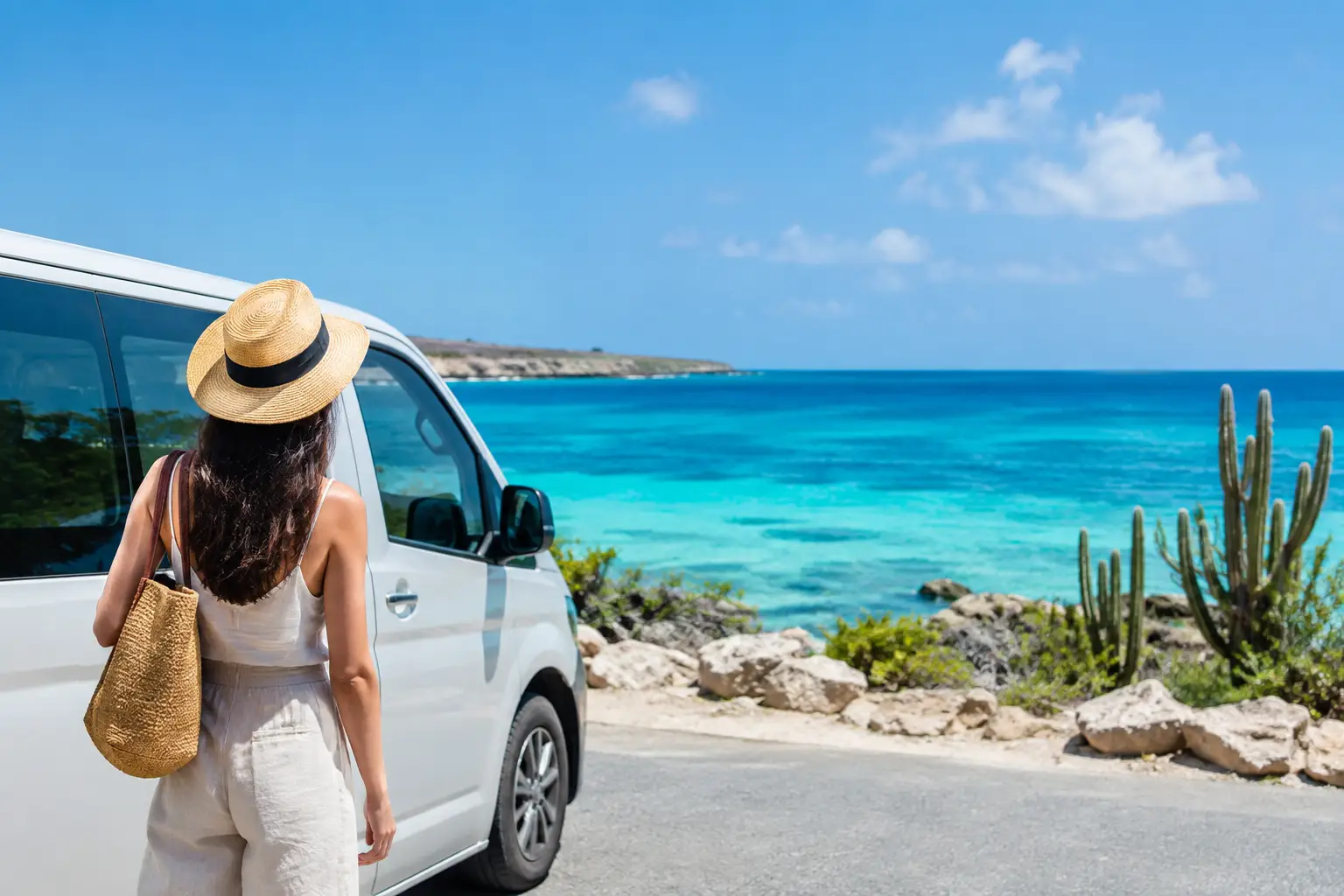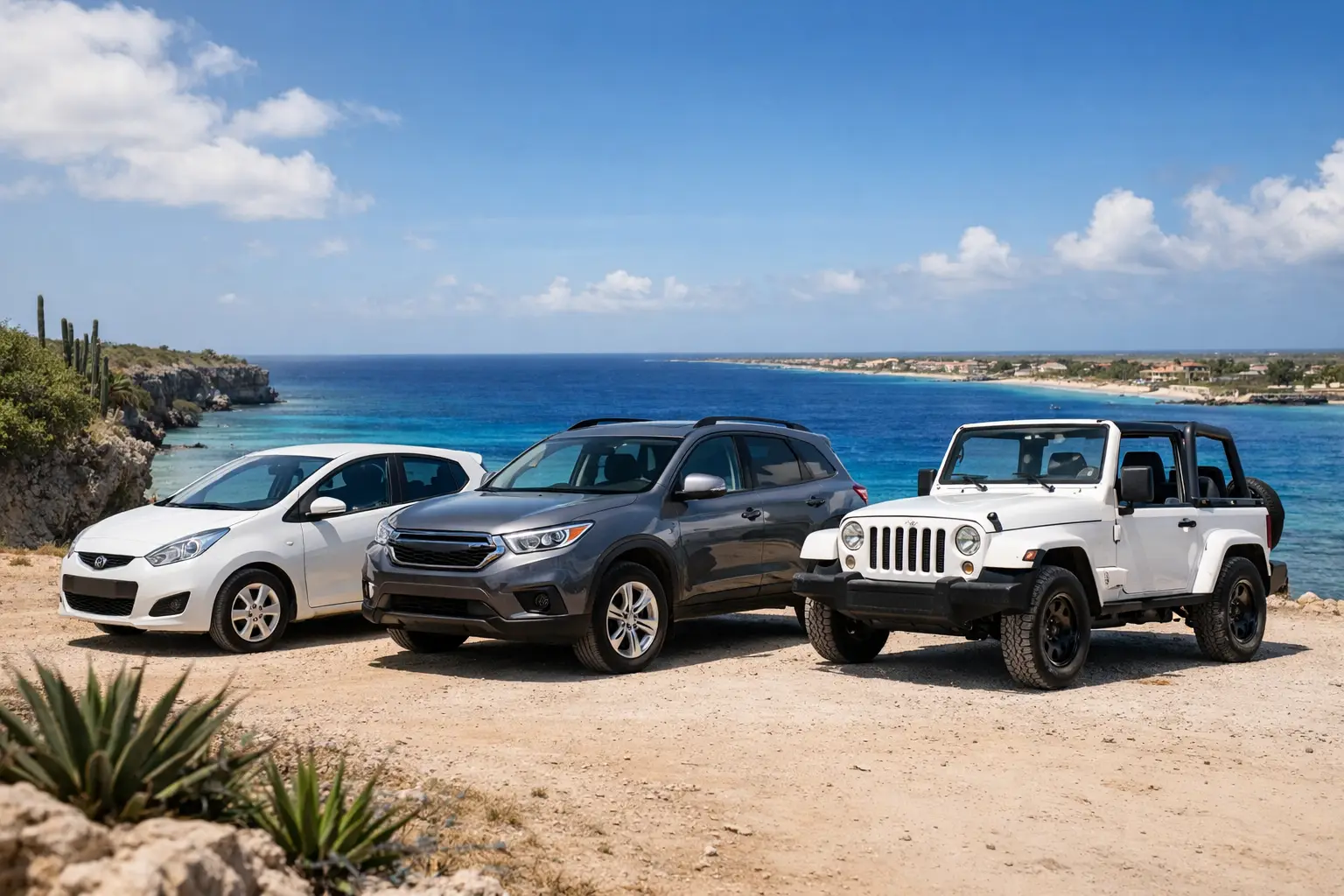


Picking a rental car for Bonaire usually sounds simple until you start picturing your actual trip. One couple with carry-ons and dinner plans needs something very different from a family hauling beach bags, or a dive group loading tanks and gear. If you are wondering how to compare Bonaire fleets without overthinking it, the easiest place to start is not price alone. It is how you plan to use the vehicle once you are on the island.
Bonaire driving is straightforward, but your car choice still shapes the trip. The right vehicle makes airport arrival easier, beach stops less cramped, and longer days around the island more comfortable. The wrong one can leave you short on cargo room, wishing for more clearance, or paying for size you never needed.
How to compare Bonaire fleets by real trip needs
The fastest way to compare fleet options is to match the car to your days, not just your budget. Think about where you will drive, who is coming with you, and what you are carrying. On Bonaire, those details matter more than flashy features.
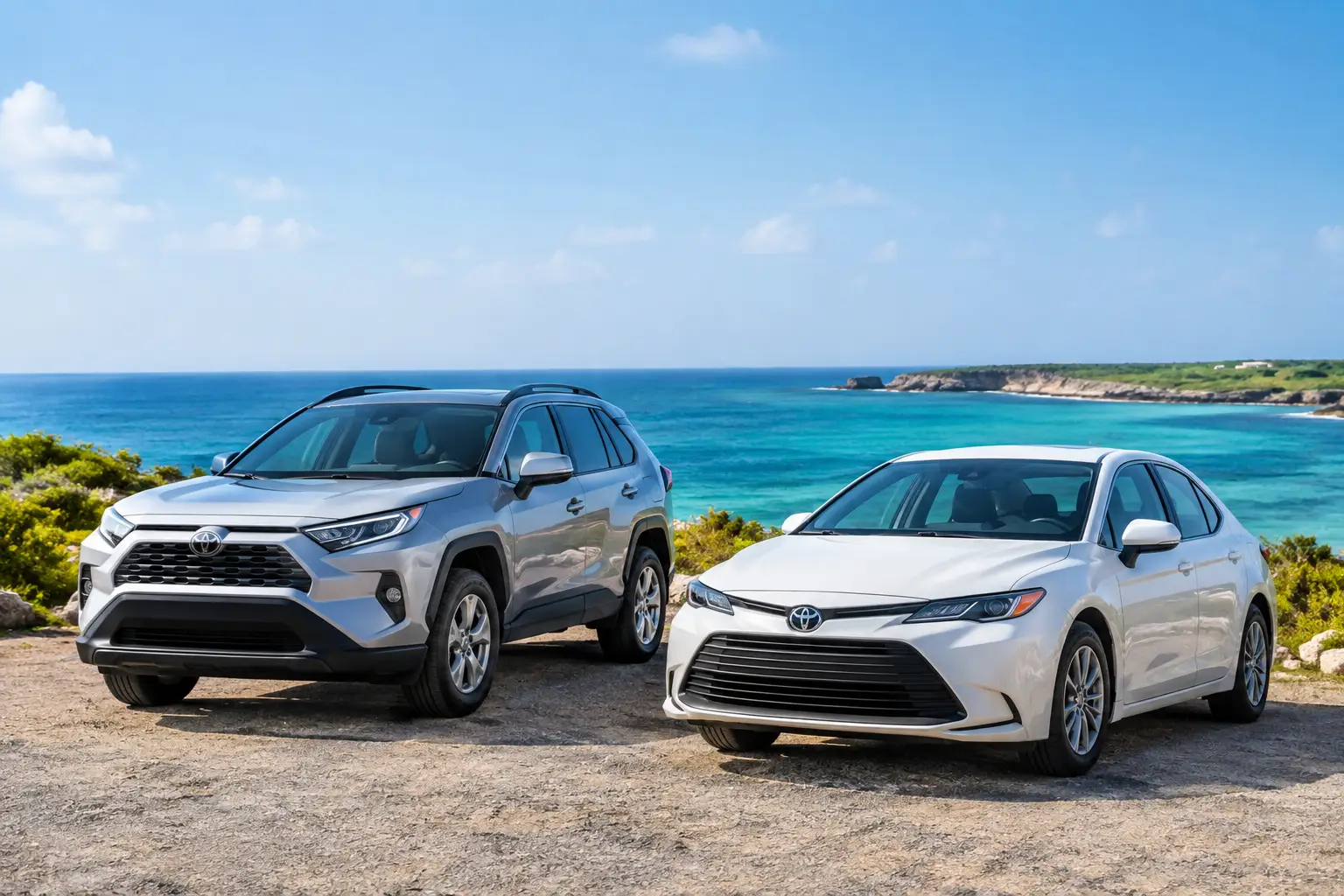
If your plan is mostly paved roads, casual sightseeing, and meals around town, an economy car or sedan may be all you need. These categories are often a smart fit for couples or solo travelers who want simple transportation and easy parking. They do the job well when you are traveling light and keeping your schedule flexible.
If you are traveling with children, extra luggage, or several adults, size starts to matter quickly. SUVs and larger vehicles give you more breathing room, better cargo capacity, and an easier setup for full beach days. You may spend a little more, but many travelers find the extra space worth it by day two.
If your trip includes dive gear, rougher access roads, or a more adventurous itinerary, pickup options often make more sense. They are especially useful when you want room for wet gear, tanks, coolers, or bulky items that would be awkward inside a smaller car. In those cases, comparing cargo layout is just as important as comparing passenger count.
Start with passenger space, then think about gear
Many travelers compare fleets by asking, “How many seats does it have?” That is helpful, but it is only half the question. The better question is, “How many people and how much stuff does it hold comfortably?”
A compact vehicle may technically fit four people, but four adults with luggage, towels, and snorkeling gear is a different story. What looks affordable on the booking page can feel tight very quickly once everyone is inside. If comfort matters to your group, compare vehicles with a little margin instead of choosing the smallest option that barely works.
This matters even more for divers. Tanks, fins, BCDs, wetsuits, and dry bags take up space fast, and they do not always stack neatly. A pickup or larger SUV can make loading and unloading much easier, especially if you are heading out early and returning with wet equipment later in the day.
Compare Bonaire fleets based on where you will drive
Not every vacation on Bonaire looks the same. Some visitors stay close to town, beaches, and restaurants. Others want to spend full days exploring, including less-traveled parts of the island. That difference should guide your comparison.
For easy, everyday driving, smaller cars are often practical and efficient. They are simple to handle, easy to park, and a comfortable choice for couples or light travelers. If your days are more about relaxing than hauling gear, there is no reason to rent more vehicle than you need.
For travelers planning to explore more rugged areas or carry adventure equipment, more ground clearance and utility may be a better fit. A pickup or larger vehicle can offer more confidence on uneven roads and more convenience when your day includes beach chairs, coolers, or dive setups. It depends on your itinerary. The best option is the one that supports the way you actually move around the island.
Price matters, but value matters more
It is natural to compare fleets by daily rate first. Most travelers do. But the lowest rate is not always the best value if the vehicle creates extra hassle during the trip.
A cheaper car that is too small for your group can lead to cramped rides, poor visibility for luggage, or multiple trips to move people and gear. On the other hand, booking the biggest category without a real reason can mean paying for space and capability you never use. The sweet spot is a vehicle that fits your plans cleanly without overspending.
This is where category descriptions help. Economy and sedans are often best when simplicity and budget are the priority. SUVs tend to balance comfort and versatility. Pickups and deluxe pickups usually make more sense when utility is a major part of the trip. Specialty vehicles can add character, but they are usually chosen for experience as much as practicality.
Look at convenience, not just the vehicle itself
When travelers compare rental fleets, they sometimes focus only on the car and forget the service around it. On an island trip, that can be a mistake.
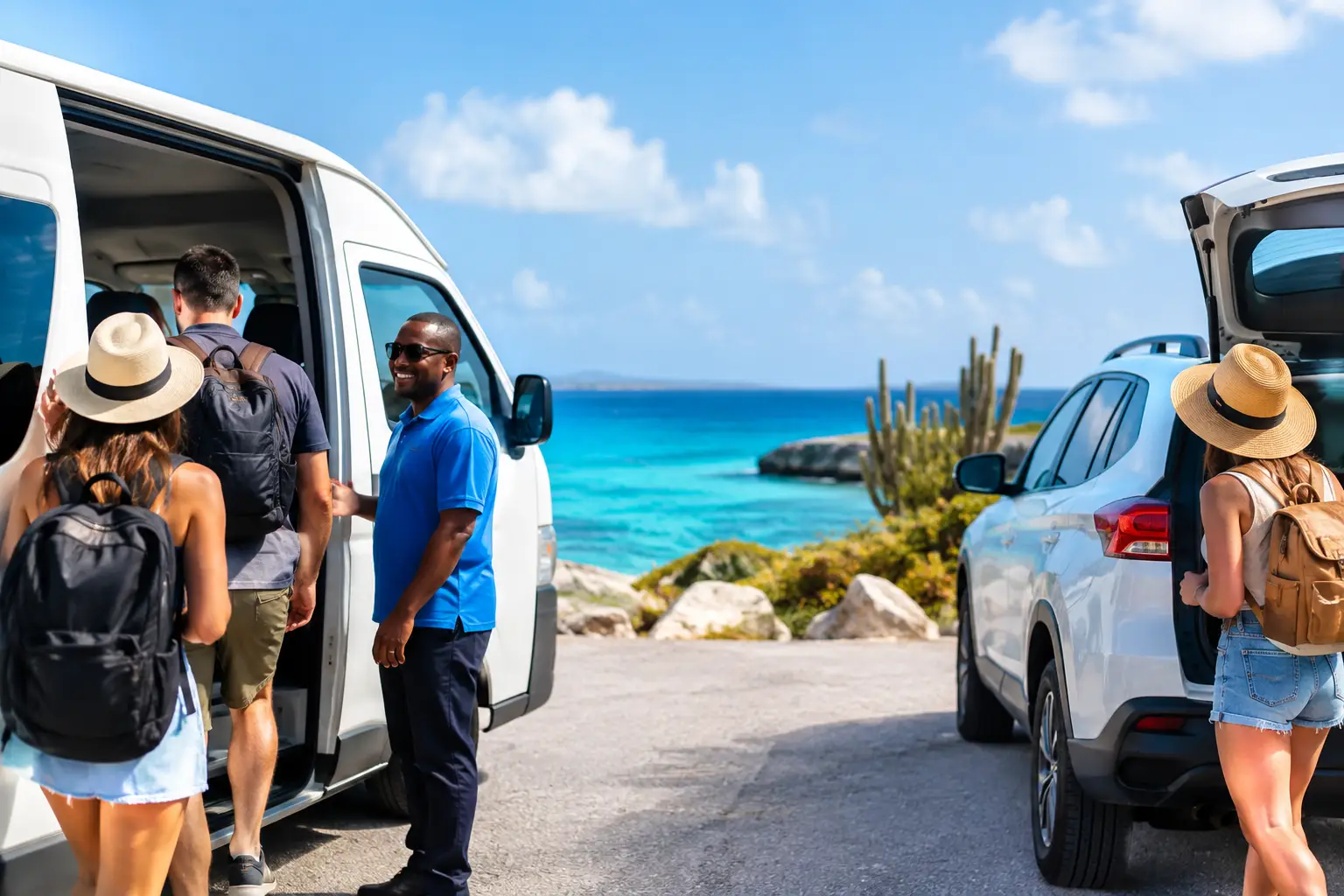
A smooth arrival matters. If you are flying into Bonaire, having airport pick-up and drop-off included can make the whole process easier from the moment you land. The same goes for flexible pick-up and return options during office hours. Those details remove friction, especially after a long travel day or before a departure.
This is also where booking clarity counts. Clear fleet categories, straightforward reservation steps, and responsive help can be just as valuable as the vehicle class itself. A friendly team that answers questions before you arrive can save a lot of guesswork, particularly if it is your first time on Bonaire.
How to compare Bonaire fleets if it is your first visit
First-time visitors often worry about choosing wrong, but the decision gets easier once you narrow your trip style. If you are visiting as a couple, packing moderately, and staying near the main areas, start with economy or sedan options. If your plans are more active, or you simply want extra comfort, move up to an SUV.
If you are traveling with friends or family, do not just count seats. Think about beach bags, groceries, camera gear, and luggage too. A roomier category can make the trip feel more relaxed, especially when everyone is getting in and out several times a day.
If diving is central to the trip, compare vehicles with gear in mind from the start. Open cargo space, easier loading, and added utility can be more useful than a slightly lower rate. Many visitors find that a practical workhorse vehicle fits Bonaire better than a car chosen only by appearance.
The trade-offs between fleet categories
Every vehicle class comes with a trade-off, and that is normal. Smaller cars are usually more affordable and easy to manage, but they can feel tight with luggage or gear. Sedans can add comfort, though they still may not offer the cargo flexibility some groups need.
SUVs usually sit in the middle. They often give travelers a good mix of passenger comfort, storage, and island-ready practicality. The trade-off is cost, since you may pay more than you would for a compact option.
Pickups offer the utility many Bonaire travelers want, especially for adventure-heavy days. The trade-off is that they may be more than some visitors need if their plans are mostly simple drives, restaurants, and beach stops with light packing. That is why comparing your itinerary to the vehicle category matters so much.
A simple way to make the final choice
If you are stuck between two categories, picture your busiest day on the island. Not your easiest day – your fullest one. Think about who is in the car, what you are carrying, where you are driving, and how long you will be out.
If the smaller option still feels comfortable in that scenario, it is probably enough. If it sounds cramped, inconvenient, or like you would need to pack carefully every single time, go up one category. Most travelers are happiest when they leave a little room for the unexpected.
At Bonaire Rent a Car, that is usually the most helpful way to guide people through the decision. Not by pushing the biggest vehicle, but by matching the fleet to the kind of island days they want to have.
A good rental choice should feel easy before you arrive and even easier once the trip begins. When the vehicle fits your plans, the island opens up in a much more relaxed way.