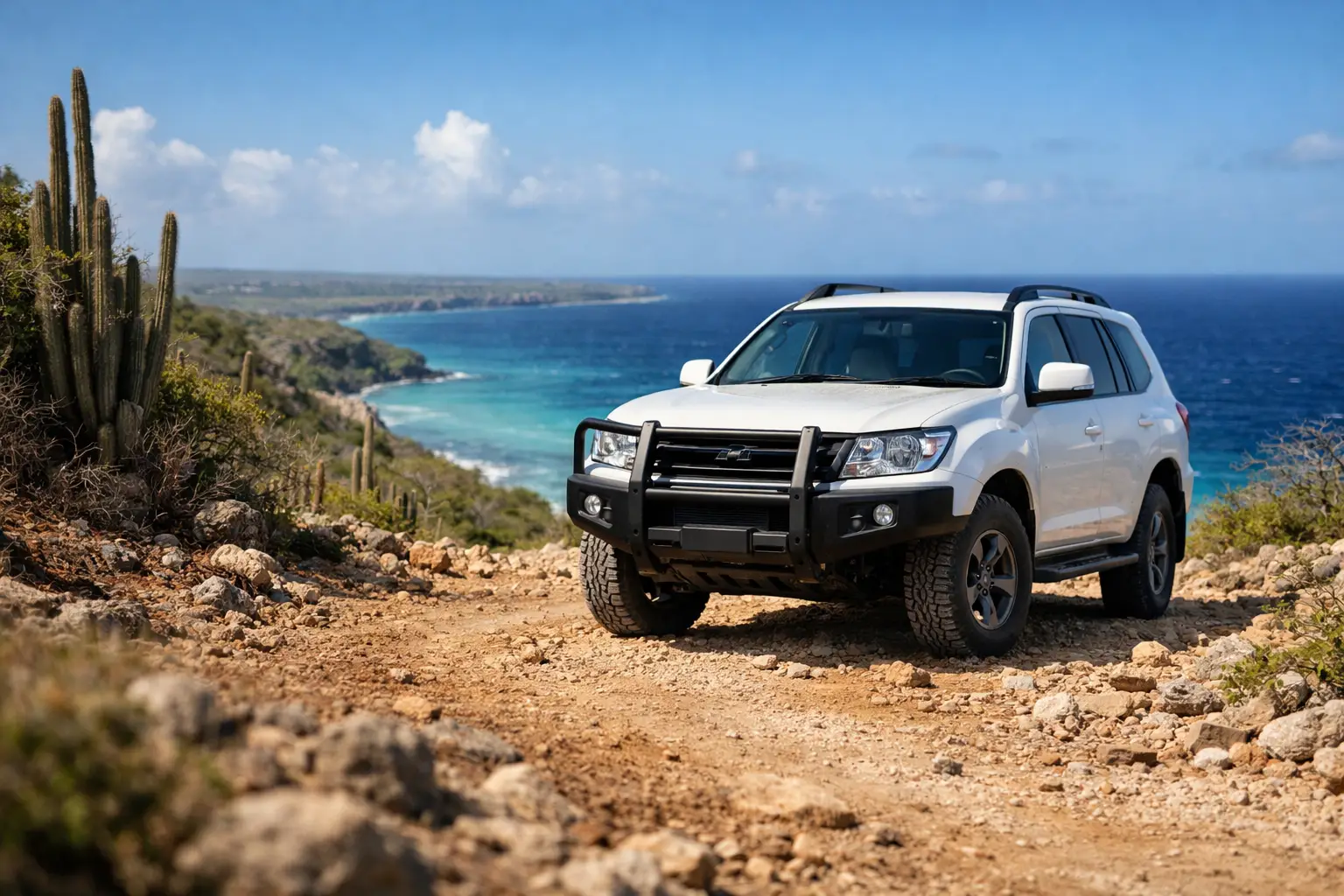


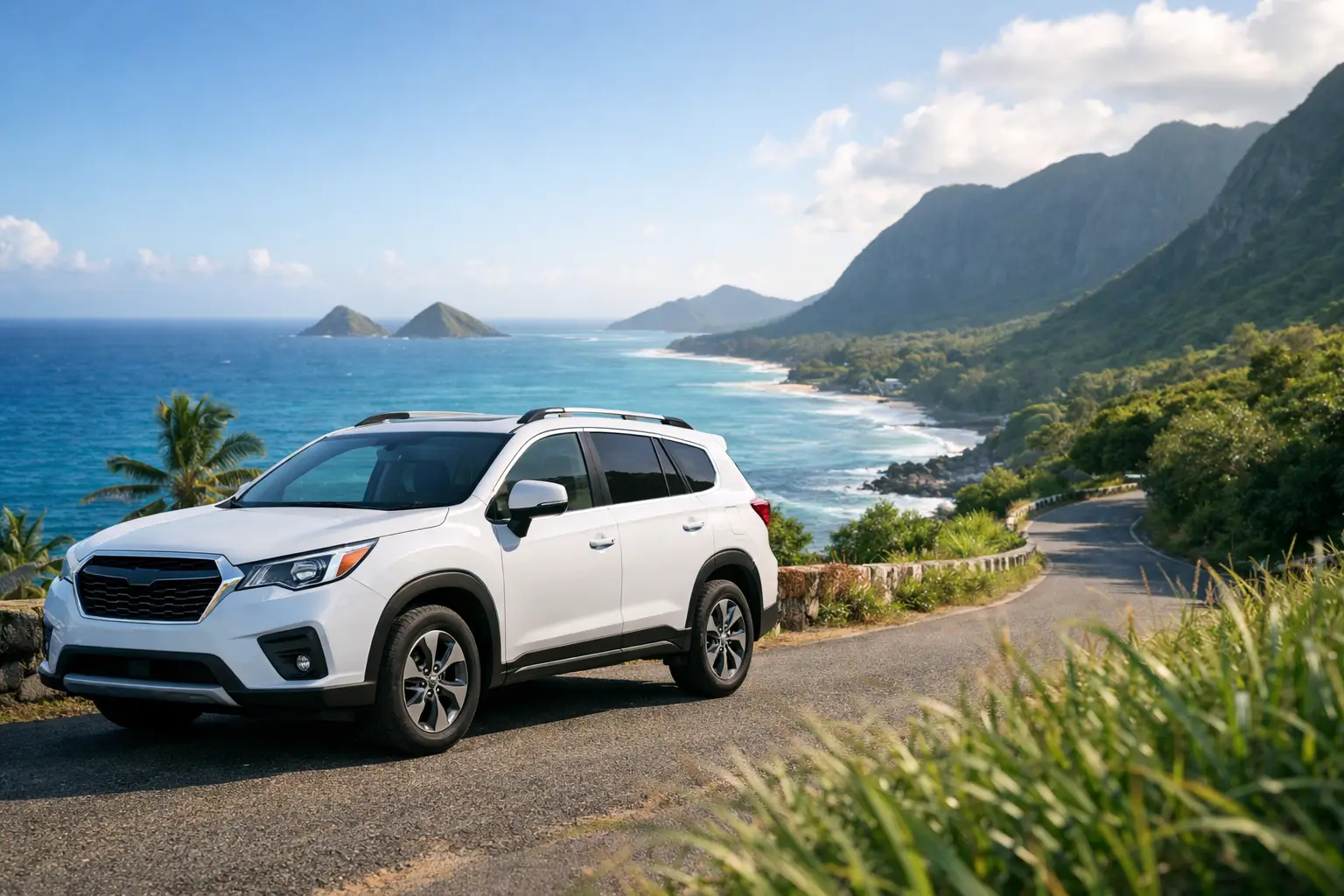
A great Bonaire day rarely stays on one smooth paved road. You may start with breakfast in town, head south for a beach stop, load up dive gear, then turn onto a rougher track toward a remote shoreline or national park. That is why an SUV rental for island roads can make such a practical difference. It gives you more confidence on uneven surfaces, more room for vacation essentials, and the freedom to follow the day where it leads.
An SUV is not automatically the right choice for every visitor. Couples planning relaxed beach days and restaurant evenings may be perfectly happy in a compact car. But for families, dive buddies, travelers carrying extra gear, or anyone hoping to see more of Bonaire beyond the main roads, the extra space and clearance can be worth it.
Why Bonaire Roads Call for the Right Vehicle
Bonaire is easy to get around, but its roads are not all the same. Main routes around Kralendijk and many popular areas are paved and straightforward. Once you venture toward quieter beaches, dive entries, coastal viewpoints, or Washington Slagbaai National Park, you can encounter unpaved sections, potholes, loose stones, washboard surfaces, and roads that feel very different after rain.
The goal is not to drive fast. In fact, the best approach on island roads is usually slow, steady, and relaxed. A suitable SUV helps because it is built to handle uneven terrain more comfortably than a low-sitting car. You will appreciate that extra ground clearance when the road gets rough, especially with passengers or luggage in the vehicle.
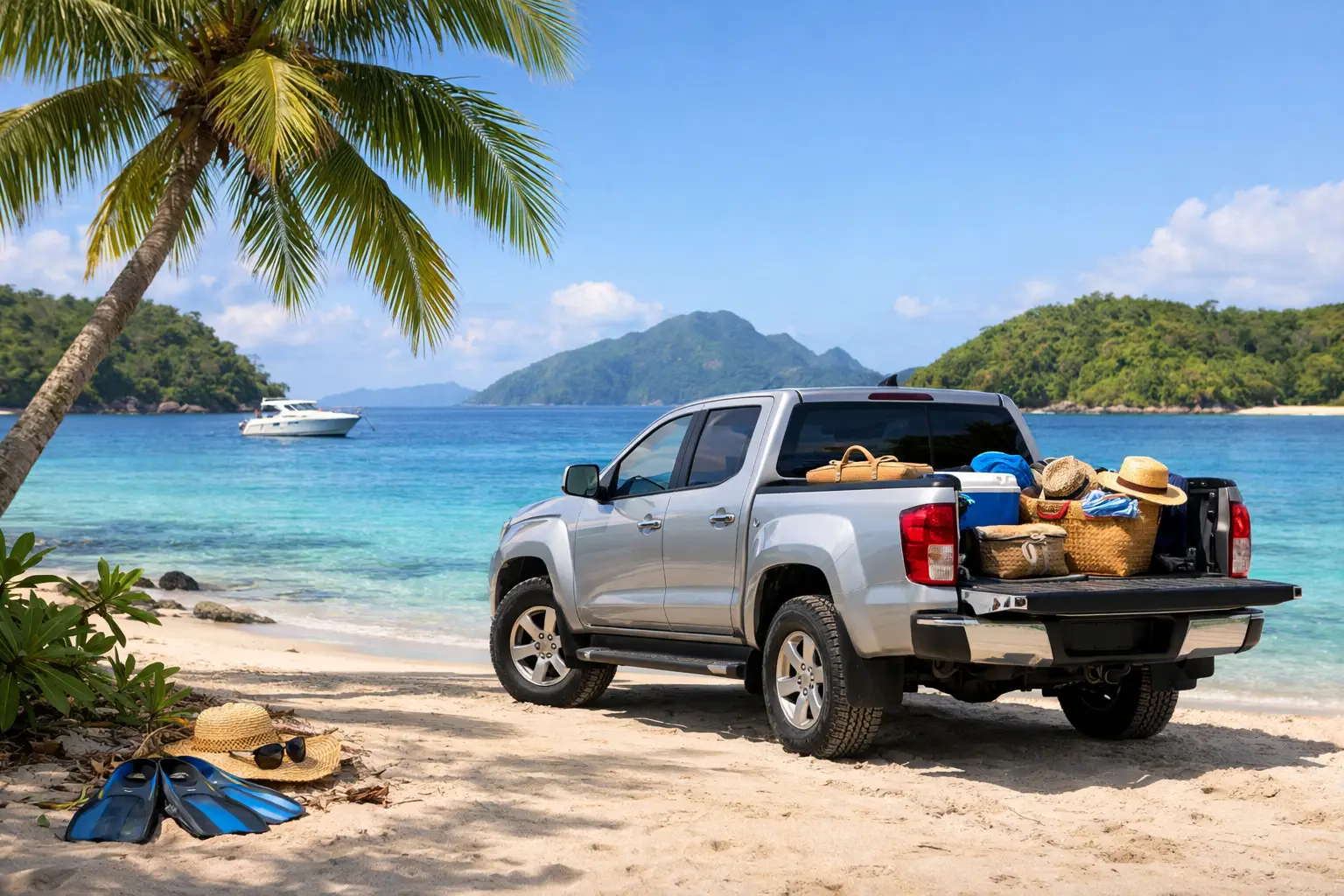
There is also a comfort factor. A day of exploring can involve plenty of time behind the wheel, and a larger vehicle can make those stretches more pleasant. Better seating position, room to spread out, and space for a cooler, towels, and beach bags all add up during a vacation.
When an SUV Rental for Island Roads Makes Sense
An SUV is a smart fit when your itinerary has more than a few quick drives around town. Families often like the extra room for car seats, snacks, beach equipment, and bags. Friend groups can avoid feeling cramped when everyone brings a backpack, snorkeling equipment, or a change of clothes.
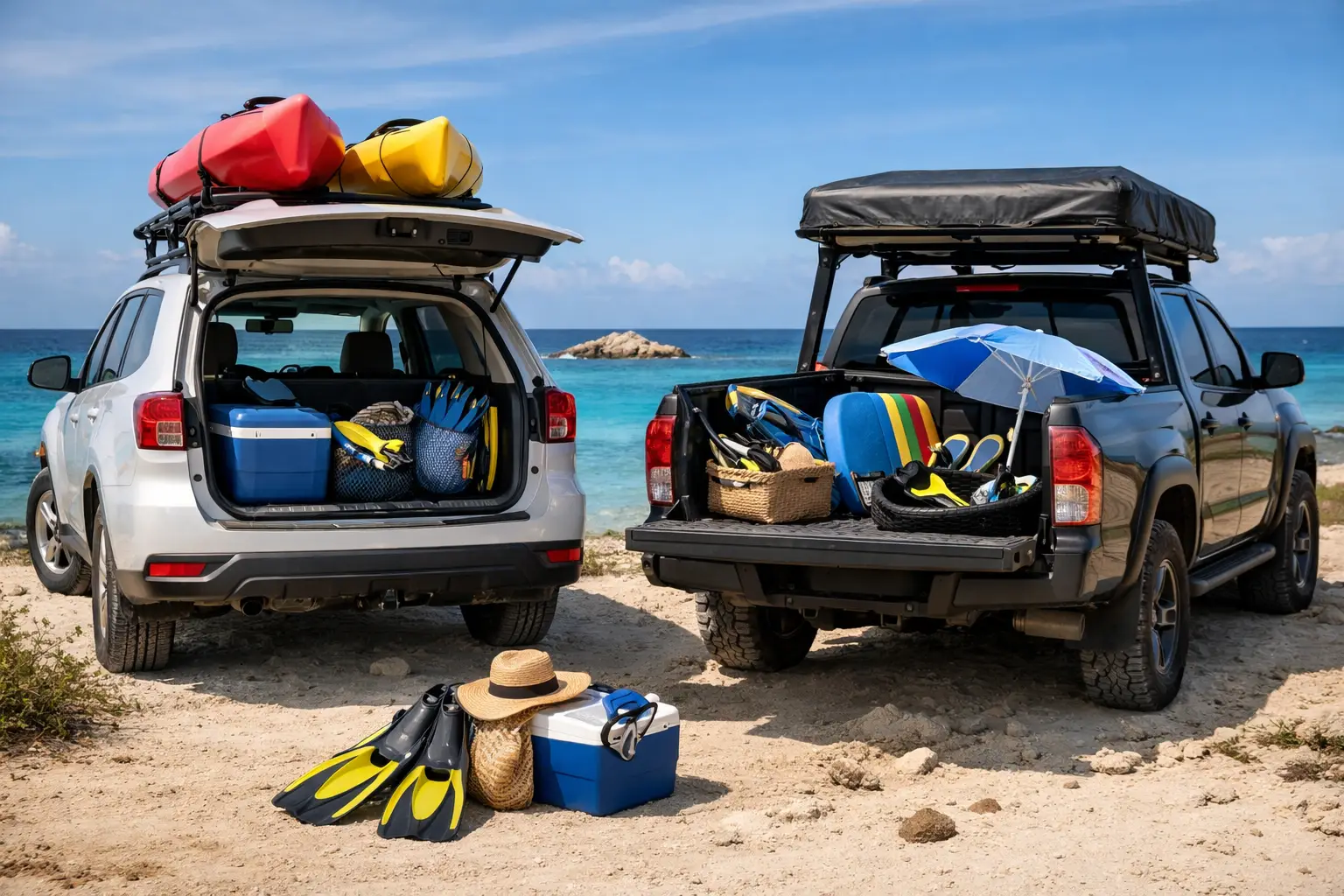
Divers may find an SUV especially useful. Bonaire is known for shore diving, and a vehicle with a practical cargo area makes it easier to organize fins, masks, wetsuits, towels, and other gear between dive sites. If you plan to transport tanks, confirm the rental company’s current guidance first and secure everything properly. A vehicle should never be overloaded, and loose equipment can become dangerous on bumpy roads.
An SUV also suits travelers who want to explore the island at their own pace. Maybe you want to spend a morning in the north, return to your accommodation for lunch, then head south to watch the sunset. With your own vehicle, you do not need to build the day around taxi availability or a fixed tour schedule.
That said, bigger is not always better. If you are traveling light, staying close to town, and expect to drive mostly on paved roads, an economy car may save money and be easier to park. The best rental is the one that matches your plans, not simply the largest option available.
What to Look for in an Island SUV
Start with passenger and luggage space. Think beyond suitcases. On Bonaire, the vehicle may carry beach chairs, a cooler, groceries, dive bags, camera equipment, and sandy towels all in the same day. If four adults are traveling together, check whether the cargo area will still be comfortable once everyone has brought their gear.
Ground clearance matters more than flashy features. You want a vehicle that can handle occasional rough roads without making every bump feel dramatic. Four-wheel drive may be useful in certain conditions, but it is not a substitute for careful driving. On an island, sensible speed and good judgment matter more than trying to conquer a difficult road.
Air conditioning is another practical consideration. After a warm afternoon outdoors, a cool drive back to your hotel or villa feels like a real break. Good visibility, easy controls, and enough room for everyone also make a difference when you are navigating unfamiliar roads.
Finally, choose a rental company that explains its vehicle categories clearly. You should know what type of vehicle you are reserving, what pick-up arrangements look like, and whom to contact if you have a question once you are on the island. Vacation time is better spent at the beach than sorting out unclear rental details.
Drive for the Road Conditions, Not the Map
A map can show the route, but it cannot tell you how the surface feels that day. On unpaved roads, reduce your speed well before the rough section begins. Give yourself space from the vehicle ahead, since dust and loose stones can limit visibility. Keep both hands on the wheel and avoid sudden braking or sharp turns.
Watch for goats, donkeys, cyclists, and pedestrians. Animals can appear unexpectedly, particularly outside busier areas. At night, visibility is more limited, so it is wise to plan remote drives during daylight whenever possible.
Salt, sand, and dust are part of island life. Keep wet or sandy gear contained when you can, and do not take a vehicle into the water or onto beaches. Stick to designated roads and parking areas, respect protected natural spaces, and follow all posted rules. A rental SUV is there to help you reach Bonaire’s beautiful places responsibly, not to turn sensitive terrain into a shortcut.
Plan Your Pick-Up Before You Land
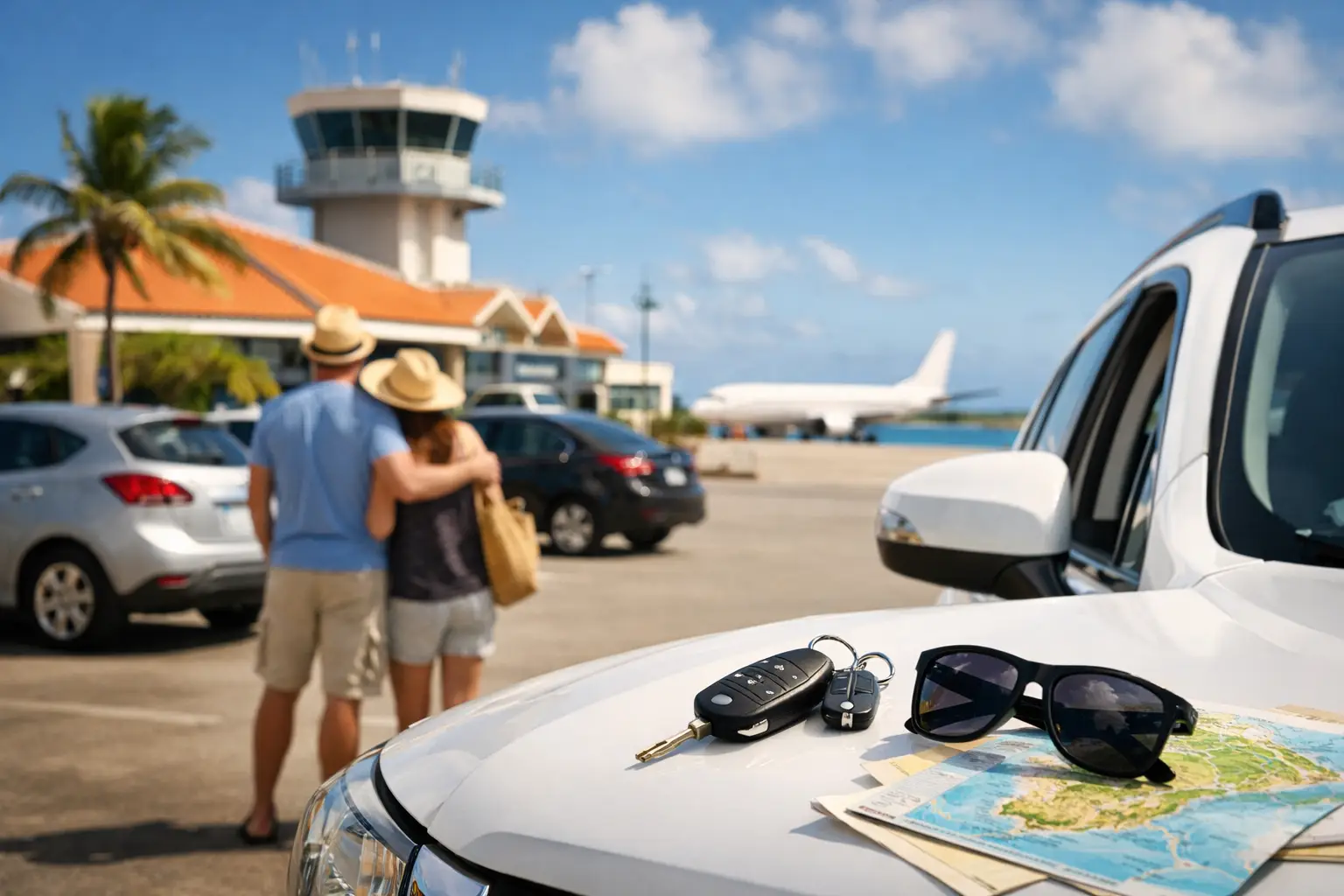
The easiest rental experience starts before your flight touches down. Reserve early if you are visiting during a busy travel period or need a particular vehicle size. Include your arrival details, confirm how many people and bags you will have, and mention any needs that could affect your choice, such as dive gear or a child seat.
For many visitors, airport pick-up removes the most stressful part of arrival. You have already traveled, collected luggage, and adjusted to the Caribbean heat. Knowing that transportation is arranged lets you start the trip on a calmer note. Bonaire Rent a Car offers free airport pick-up and drop-off, along with free pick-up and return within office hours across the island, so travelers can get moving without adding another transfer to the plan.
Before driving away, take a few minutes to get comfortable with the vehicle. Adjust mirrors and seats, check where the lights and wipers are, and ask any questions you have about fuel, return procedures, or recommended routes. Friendly local advice can be as valuable as the keys.
Build a Better Bonaire Day Around Your SUV
One of the pleasures of renting an SUV is that you can leave room for a little spontaneity. Keep water in the vehicle, bring sun protection, and pack a small towel or reusable bag for sandy items. A paper or downloaded map can be helpful in quieter areas where you do not want to rely only on a phone signal.
Do not try to see every corner of Bonaire in one day. Pick a direction, allow extra time for stops, and treat the drive as part of the experience. Pause at a viewpoint, take the slower road when it is appropriate, and leave enough daylight for the return journey.
The right SUV gives you room for the gear, people, and plans that make a Bonaire vacation memorable. Choose a vehicle that fits your group, drive with care, and let the island set a pleasantly unhurried pace.