

A nearly empty tank is not how anyone wants to start a beach day, a sunset dinner, or an early dive. Bonaire fuel stations are straightforward for visitors, but the island is small enough that a little planning makes a real difference. Fill up before a longer drive, keep your rental’s fuel level in mind, and you can spend less time thinking about logistics and more time enjoying Bonaire.
For most travelers, the best approach is simple: do not wait for the fuel light. Gas stations are concentrated around the more developed areas of the island, especially near Kralendijk, rather than spread evenly along every road. If your plans include Washington Slagbaai National Park, the east coast, Lac Bay, or a full day of shore diving, begin with enough fuel for the round trip.
Where to Find Bonaire Fuel Stations
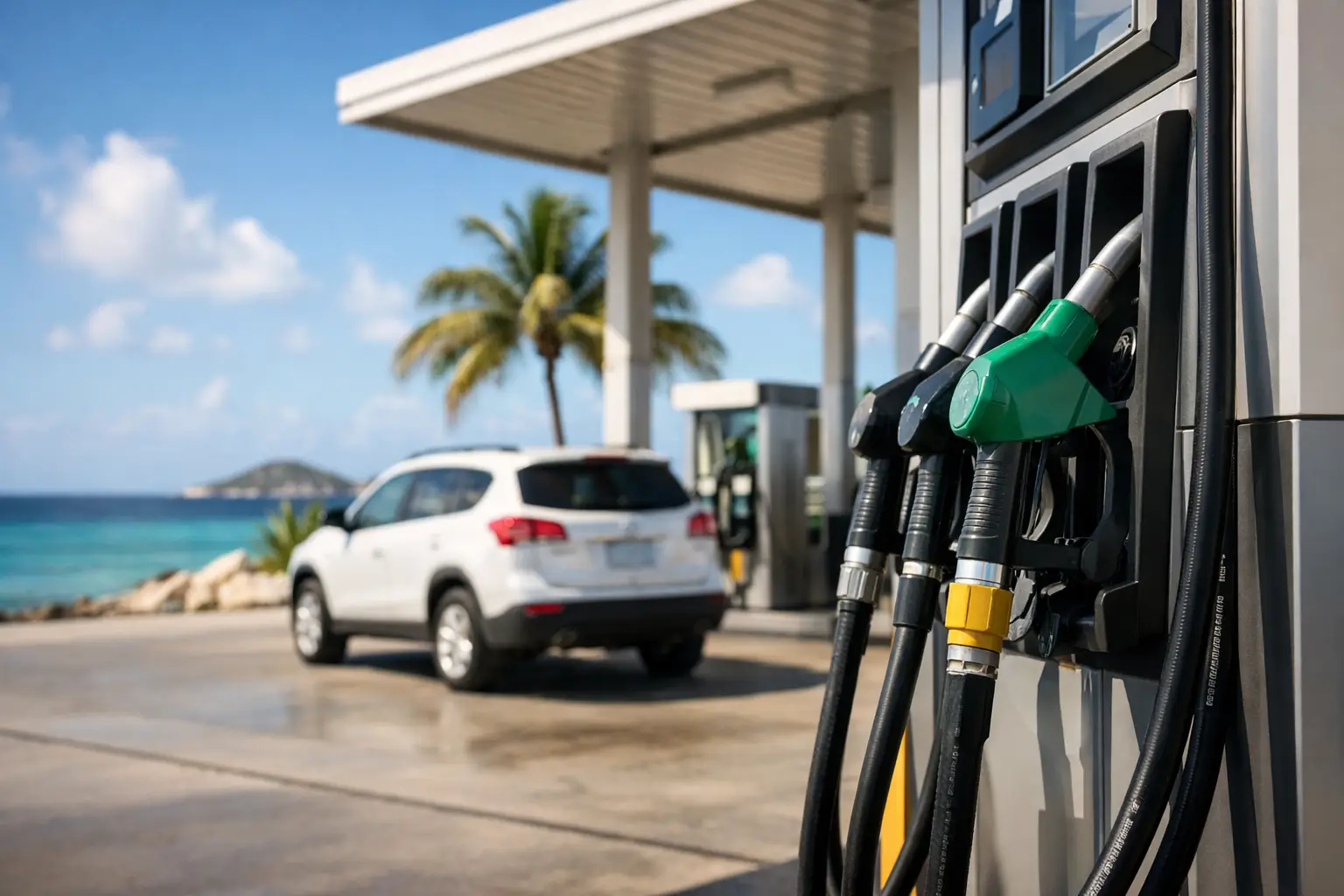
Most Bonaire fuel stations are convenient to Kralendijk and the main roads travelers use after leaving the airport. That works well for arrival day, grocery runs, restaurant evenings, and trips between popular beaches and dive sites. It also means you should make fueling part of your plan before heading into quieter parts of the island.
You do not need to map out every fill-up on a normal vacation. Bonaire is compact, and the distances between major stops are short. Still, drivers often underestimate how quickly a busy day adds up. A morning dive, lunch in town, an afternoon at Sorobon, and dinner on the west coast can mean more driving than expected, especially if you are returning to your accommodation between activities.
The practical rule is to refuel when you are already near town or on a main route. Do not assume a station will be nearby once you turn toward a remote beach, a national park entrance, or an unpaved road. This is particularly helpful for visitors in pickups or SUVs who may be carrying dive tanks, coolers, beach equipment, or extra passengers.
Plan Ahead for Remote Drives
Washington Slagbaai National Park is one of the clearest examples of why fuel planning matters. It is a full-day outing, and routes inside the park can be slow and uneven. Start with a full tank, water, sun protection, and any supplies you will want before entering.
The same mindset applies to the island’s east side. Bonaire rewards curiosity, but some of its most memorable views are well away from the busier part of town. A full tank gives you room to take the scenic turnoff, linger at a viewpoint, or change plans without watching the gauge.
How Fueling Works on Bonaire
Bonaire uses the US dollar, which removes one common vacation concern for American visitors. Payment procedures, accepted cards, and service arrangements can differ by station, so it is wise to have a backup payment option and to check before fueling if anything is unclear.
At the pump, follow the posted instructions and ask the attendant for help if you need it. Island travel is relaxed, but it is still better to confirm the fuel type and payment process than make assumptions. A quick question can save time, especially when you are driving an unfamiliar vehicle for the first time.
If you are using a credit or debit card, make sure it is enabled for international travel before your flight. Even though Bonaire uses US dollars, your bank may still recognize the transaction as international. Bringing a small amount of cash is also sensible for incidental purchases during your trip, though travelers should not rely on any one payment method everywhere.
Choose the Correct Fuel Type
Before you leave the rental location, take a moment to confirm the required fuel type for your vehicle. It is an easy detail to overlook when you are thinking about your first swim or getting to your hotel, yet it matters. If you are unsure at the station, check the vehicle’s fuel label or contact your rental team before filling up.
This is especially useful when traveling with a group. One person may be paying, another may be organizing bags, and someone else may be ready to get back on the road. A 10-second check keeps a simple stop simple.
A Fuel Plan That Fits Your Vacation
The best fueling routine depends on how you want to see Bonaire. Couples staying near Kralendijk and spending most days close to town may only need brief, occasional stops. Families who make several beach trips in a day will appreciate keeping the tank comfortably above empty. Divers and adventurers with early starts should fuel the evening before, not while trying to reach a boat departure or meet friends at sunrise.
Arrival day is often a good time to get oriented. Once you have picked up your vehicle, notice the fuel level and ask any questions while your route and return arrangements are still fresh. Bonaire Rent a Car can help visitors understand the vehicle they have chosen and make their first drive feel easy from the start.
For a one-week stay, avoid treating fuel as a final-day chore. A last-minute stop can feel stressful when you are packing, checking out, and timing your airport return. Instead, top off the tank when you are already out for dinner or returning from your final beach afternoon. You will have one less thing to manage on departure day.
Fuel Tips for Dive Days and Beach Days
Bonaire is made for unhurried days, but dive schedules and changing weather can create early starts. Fueling the night before is one of those small preparations that pays off. You can load gear, meet your dive buddy, and head directly to the coast without wondering whether the nearest station is open or on your route.
Keep your vehicle organized, too. Secure tanks and heavy gear properly, keep wet items contained, and avoid leaving valuables visible when parked. Fuel stations are not the only practical stop on a dive day, but they are a useful place to reset before heading farther out.
Beach days call for the same bit of foresight. If you are bringing chairs, snorkeling gear, a cooler, and kids, the last thing you need is an unnecessary detour when everyone is ready for the water. Fuel up before you load the vehicle or when you pass through town on the way back.
What to Do if You Are Running Low
If your gauge is low, stay calm and make the next fuel stop your priority. Bonaire is not a place where you need to panic over long highway distances, but you also should not continue toward isolated areas hoping to find a pump later. Turn toward Kralendijk or the nearest developed route, and avoid adding optional stops until you have refueled.
When in doubt, use your phone’s map for current directions and contact your rental provider for practical guidance. Local support is valuable because road conditions, business hours, and the fastest route can vary from what a visitor expects. Asking is always better than guessing.
One final habit makes the rest of your trip easier: whenever you see a convenient station and your tank is below where you would like it, stop. On Bonaire, that small choice protects the relaxed pace you came for. Then you can follow the road to a favorite dive site, a quiet cove, or a table by the water with the confidence that your vehicle is ready to go.