


A rental deposit is one of those small travel details that can feel confusing right when you want to be thinking about warm water, dive sites, and your first beach stop. Understanding Bonaire rental deposits before you arrive helps you choose the right payment card, budget comfortably, and start your vacation without an avoidable surprise at the rental desk.
For most visitors, the process is straightforward: the rental company confirms the booking, reviews the vehicle with you, and places a temporary security authorization or collects a deposit according to its rental terms. The exact amount and method can vary by vehicle category, insurance choice, driver age, and payment method. That is why the reservation confirmation is the best place to check the details for your specific rental.
What a Rental Deposit Is For
A rental deposit is security for the vehicle while it is in your care. It may cover costs that are not included in the rental rate, such as damage beyond the selected coverage, a missing key, an empty fuel tank at return, traffic fines, or unusual cleaning needs.
A deposit is not automatically an extra charge for your vacation. In many cases, it is a temporary hold placed on an eligible credit card. The available balance on that card is reduced by the held amount during the rental, but the money is not permanently collected unless there is a valid charge after the vehicle is returned.
The terminology can differ. You may see “deposit,” “security hold,” “authorization,” or “pre-authorization.” They all refer to the same basic idea: the rental company needs a financial guarantee while you are using the car.
Why Bonaire Rental Deposits Can Vary
There is no single deposit amount that applies to every car rental on Bonaire. A compact car used for beach days and dinner reservations may have different requirements than an SUV, pickup, deluxe pickup, or specialty vehicle intended for carrying dive gear or exploring more remote parts of the island.
Your coverage selection also matters. Choosing coverage that lowers your financial responsibility in the event of damage may change the deposit requirement. On the other hand, declining certain protections can mean a higher hold because you would be responsible for more of the vehicle’s value if something happened.
Payment type can make a difference as well. Many rental companies prefer a credit card in the primary driver’s name for a security hold. Debit cards, prepaid cards, cash deposits, and cards belonging to another traveler may have different rules or may not be accepted for the hold. Do not assume the card that works for booking a flight or hotel will automatically work for a vehicle deposit.
Before You Travel, Check These Details
A few minutes spent reviewing the rental terms can prevent a frustrating arrival-day conversation. Look at your confirmation and make sure you understand the required payment card, deposit or authorization amount, accepted coverage options, and any age or additional-driver requirements.
It is also wise to call your card issuer before your trip if your available credit is close to your planned vacation spending. A hold can affect your available credit even when it does not appear as a final charge. Let the issuer know you will be traveling internationally so a normal rental authorization is less likely to trigger a fraud alert.
If you are traveling with a spouse, friend group, or family, decide in advance who will be the primary driver and whose card will be used. Ideally, that person should be present at pickup with their physical, valid driver’s license and payment card. This keeps the handoff quick after your flight lands.
Keep enough room on the card for the deposit plus your normal trip expenses. Bonaire is relaxed, but your budget should leave room for groceries, restaurants, dive activities, and the unexpected roadside snack stop.
A Simple Pickup Process Starts With a Vehicle Check
At pickup, take a few minutes to inspect the vehicle with the rental team. This is not a formal or stressful exercise. It is simply a shared starting point that protects both you and the company.
Walk around the car and note any existing marks, scratches, or interior wear on the rental agreement. Check that you understand the fuel level and the return expectation. If you have chosen a pickup or larger vehicle for dive tanks, coolers, beach equipment, or luggage, make sure you are comfortable with the cargo area and any tie-down points before you leave.
Photos and a short video are helpful for your own records, especially if you are collecting the vehicle at a busy time. Capture the exterior from several angles, the windshield, wheels, interior, fuel gauge, and odometer. Save them until the deposit has been released or the rental account is fully settled.
This same habit is useful when you return the vehicle. A quick final walk-around gives you peace of mind and makes it easy to raise any questions while the details are fresh.
Protecting Your Deposit While Driving on Bonaire
Most travelers return their vehicle without any issue. Still, island driving has its own rhythm. Roads can change quickly from paved town streets to rougher surfaces, and salt, sand, sun, and occasional rain can affect conditions.
Drive at a comfortable speed, particularly on unfamiliar roads or near popular shoreline areas. Park carefully, keep valuables out of sight, and avoid taking a vehicle onto terrain it was not intended to handle. The best vehicle for your trip depends on your plans: a smaller car may be perfect for couples staying near town, while an SUV or pickup can be more practical for families, divers, and travelers carrying equipment.
Fuel is another simple detail worth managing. Confirm the required fuel level at return and allow time for refueling before your scheduled drop-off. Returning late or with less fuel than agreed may lead to charges under the rental terms, which can be deducted from the deposit or billed to the card on file.
If something does happen, contact the rental company as soon as you can. Whether it is a flat tire, a warning light, a minor parking scrape, or a question about where you are allowed to drive, early communication is always better than waiting until return. A local, responsive team can help you understand the next step and keep a small issue from becoming a larger vacation disruption.
When Is the Deposit Released?
Once the vehicle is returned, the rental company checks it against the agreed return condition and completes the rental record. If the deposit was a card authorization and there are no additional charges, the company releases the hold.
The release does not always appear instantly in your bank account or credit-card app. The rental company can process the release promptly, but your card issuer may take several business days to make the funds fully available again. Processing times vary by bank, card network, weekends, and holidays.
If you see a pending authorization after your trip, first check whether it is still pending rather than posted as a completed charge. Keep your rental agreement and return paperwork handy. If you need clarification, contact the rental company with your reservation details, then contact your card issuer if the authorization remains longer than expected.
Questions Worth Asking Before You Reserve
You do not need to become an expert in rental policies to book with confidence. You simply need clear answers to the points that apply to your trip. Ask whether a credit card is required, what deposit or hold applies to your selected vehicle, what coverage is included or available, and how long releases typically take after return.
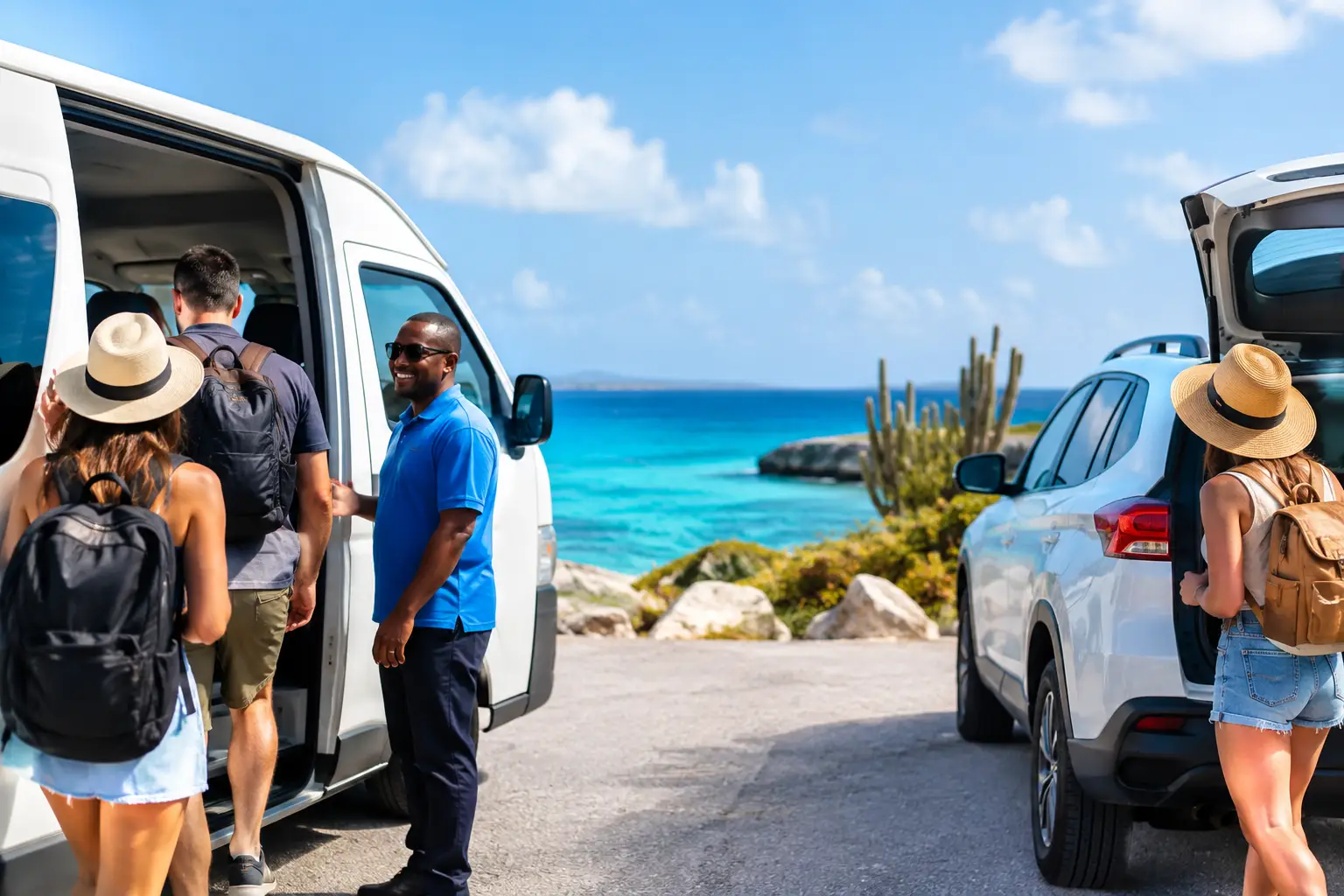
It is also useful to ask about the practical arrival plan. Bonaire Rent a Car offers free airport pick-up and drop-off, along with free pick-up and return within office hours across the island, so travelers can focus on getting settled rather than arranging an extra transfer. Confirming your pickup instructions in advance helps the first hour of your vacation feel easy.
A rental deposit should not take attention away from your plans for Bonaire. Bring the right card, read the terms for your vehicle, document the car at pickup and return, and ask for help whenever something is unclear. Then you can turn the key, head toward the coast, and let the island set the pace.