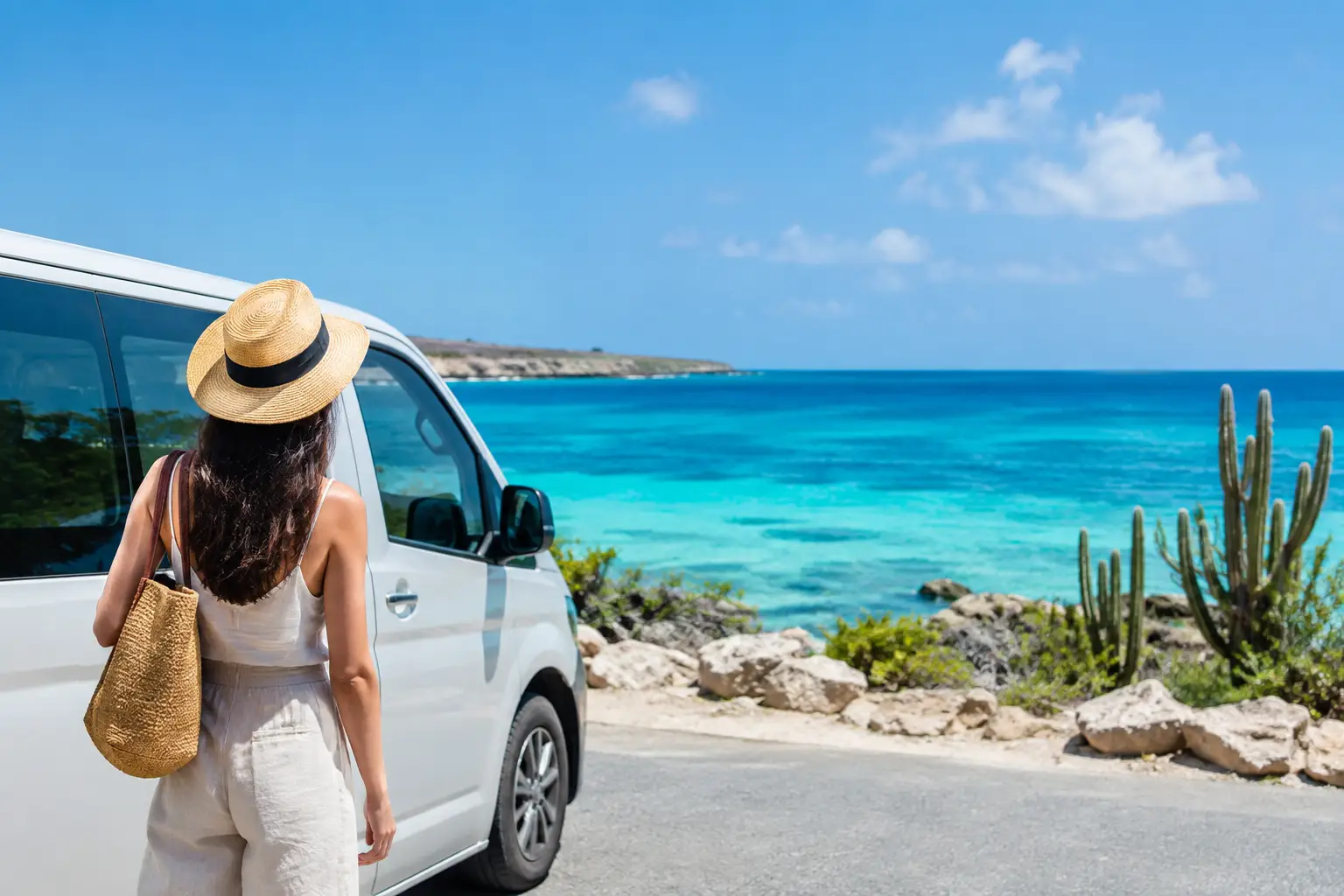


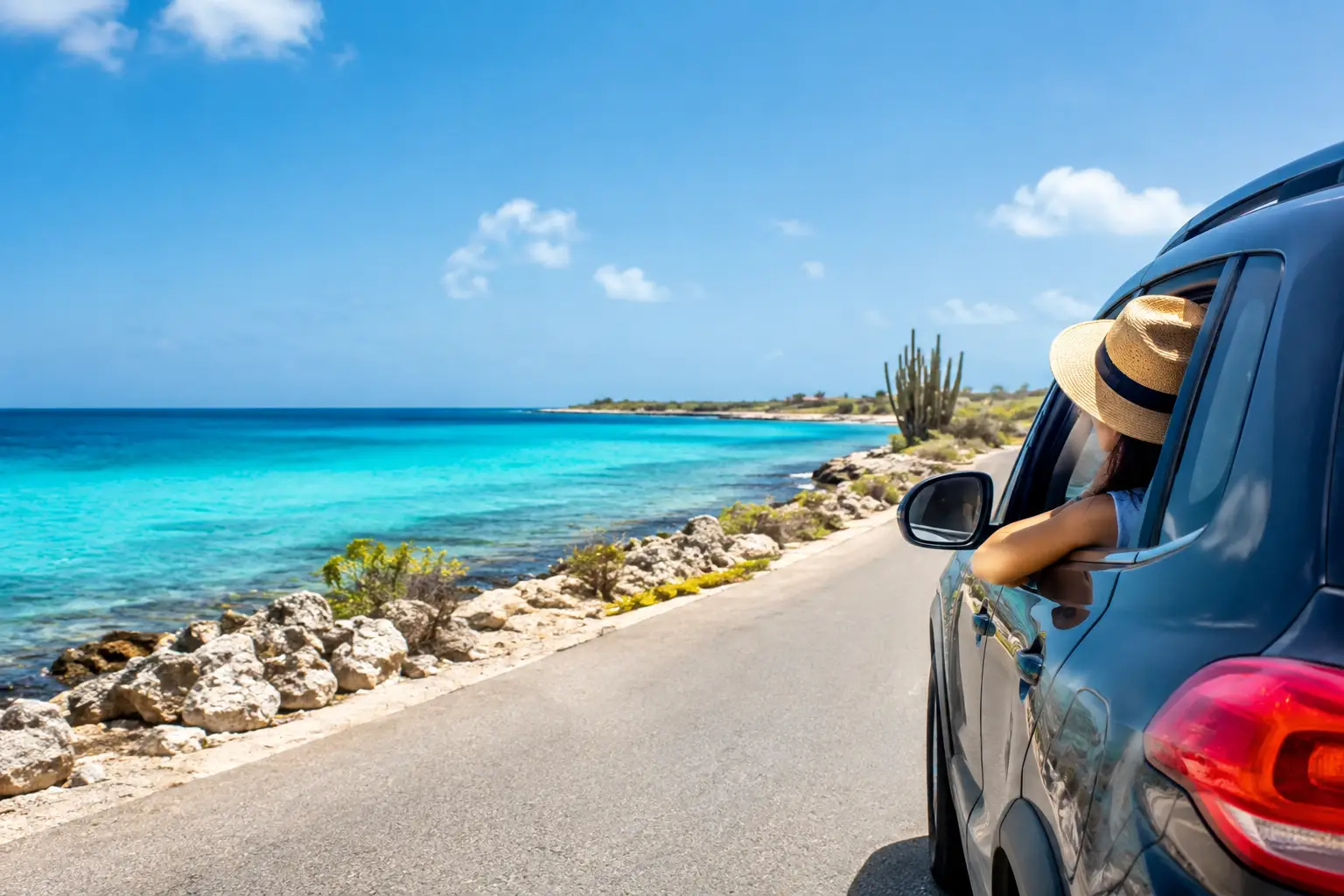
The first view after landing in Bonaire is often a line of bright water, low hills, and roads leading somewhere you want to be. Island driving gives you the freedom to follow that feeling – breakfast in Kralendijk, a morning dive on the south coast, a quiet beach in the afternoon, and dinner wherever the evening takes you. A rental car turns a vacation schedule into your own schedule.
Bonaire is easy to explore, but it is not a place to drive on autopilot. Roads can change quickly from paved streets to rough tracks, goats may wander across the road, and the island’s best-known spots are spread well beyond town. A little local know-how helps you choose the right vehicle, drive comfortably, and spend more time enjoying the island.
What Makes Island Driving in Bonaire Different?
Bonaire is compact, which can make distances look deceptively simple. From Kralendijk, you can reach many beaches, dive sites, restaurants, and scenic stops without a long drive. Still, travel time depends on the road surface, traffic around town, how often you stop for photos, and whether your route takes you onto unpaved terrain.
You drive on the right side of the road in Bonaire. Main roads are generally straightforward, especially around Kralendijk and along the coastal routes. Outside town, however, road markings may be limited, shoulders can be narrow, and some routes are less forgiving after dark. Drive at a relaxed pace and let the island set the rhythm.
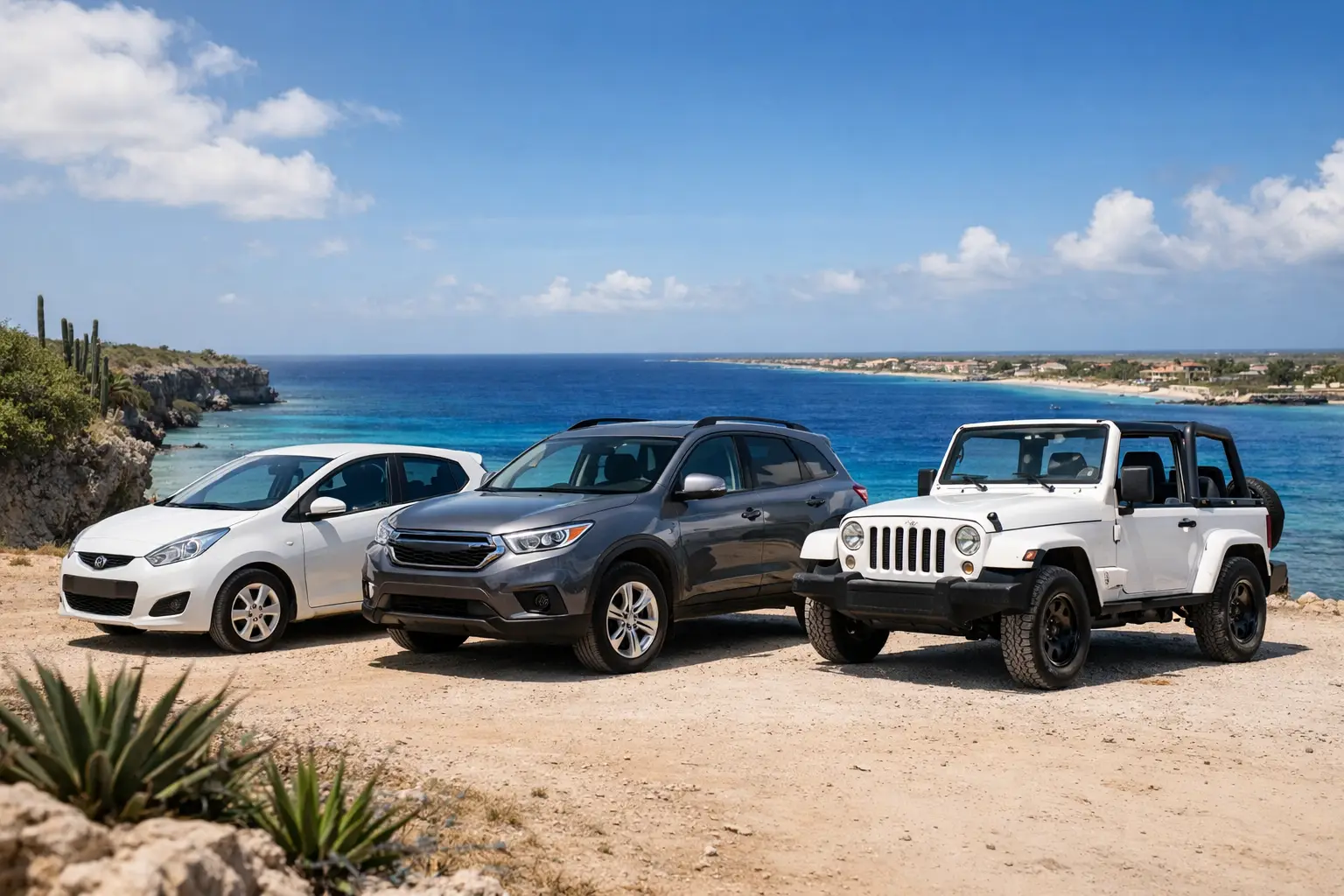
The trade-off is part of Bonaire’s appeal. A small car is practical for town, paved beach roads, and couples traveling light. An SUV or pickup offers more ground clearance, more room for coolers and dive gear, and greater confidence when your plans include rougher roads or remote areas. The best choice depends less on how far you plan to drive and more on where you want to go.
Give wildlife and road conditions your full attention
Goats, donkeys, iguanas, and birds do not follow a schedule. You may see them near the road at any time, particularly outside busy areas. Slow down when you spot animals ahead, avoid sudden swerves, and give them time to move along.
Potholes, loose gravel, uneven pavement, and sandy edges also deserve attention. These are not reasons to avoid exploring – they are simply reasons to keep your speed appropriate. On an unfamiliar unpaved road, slower is usually better for both comfort and vehicle care.
Choosing a Vehicle for Your Bonaire Plans
Start with your actual itinerary rather than choosing the largest vehicle by default. A compact economy car can be a smart fit for two people staying near town, visiting restaurants, and spending their days at accessible beaches. It is easy to park and keeps the driving experience simple.
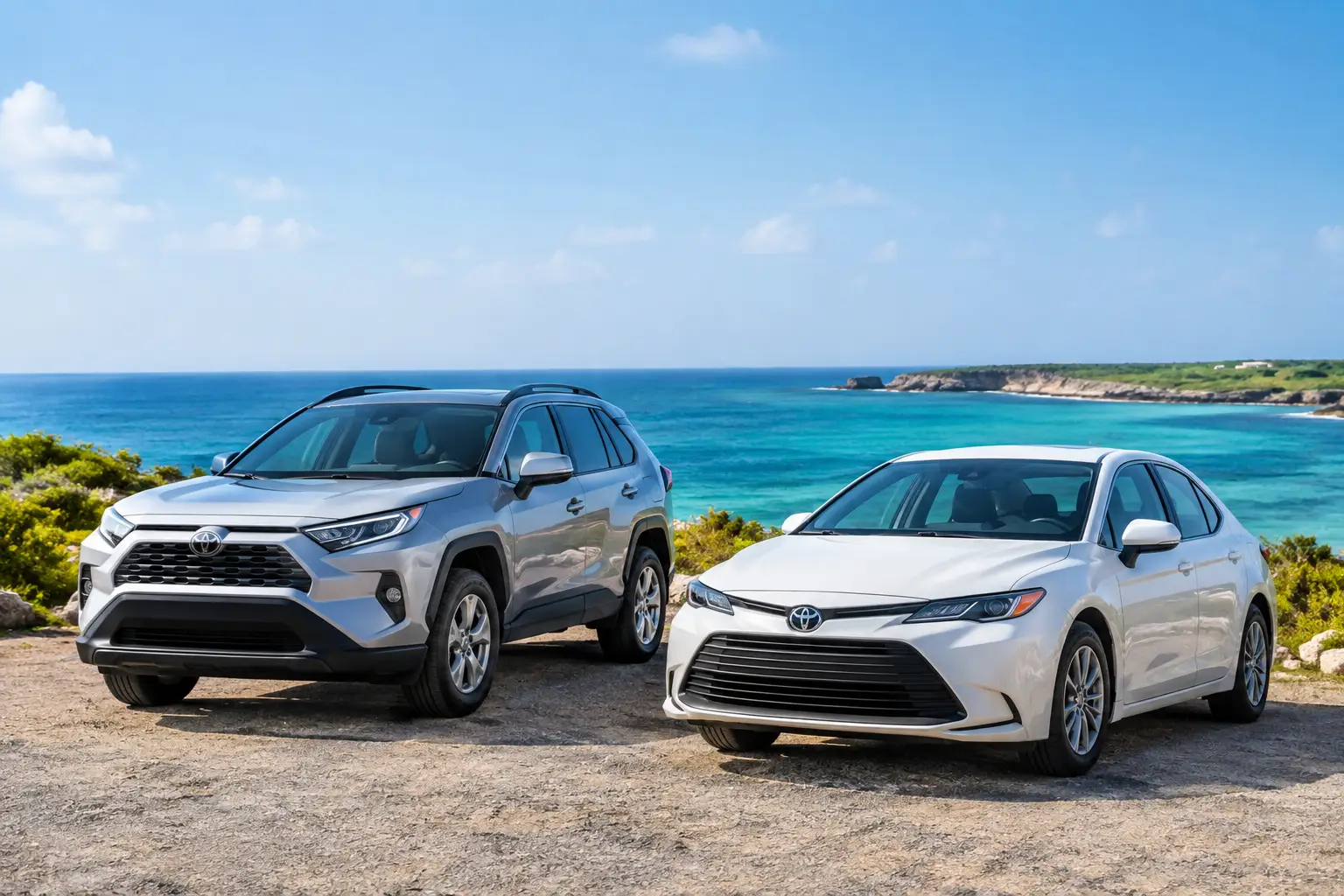
Families, groups of friends, and travelers carrying dive equipment often appreciate the additional space of a sedan, SUV, or pickup. If you are planning shore dives, think about where tanks, bags, fins, towels, and groceries will go. A pickup can be especially useful when wet or sandy gear is part of the day, while an SUV provides an enclosed cargo area and comfortable seating for longer outings.
For travelers with a more adventurous route in mind, vehicle capability matters. Some areas have uneven or unpaved access roads, and a higher-clearance option may be the better match. Before heading into Washington Slagbaai National Park or onto any particularly rough route, check current park guidance and confirm that your chosen vehicle is suitable. Conditions and access requirements can change.
A classic Land Cruiser can add character to an island adventure, but practical needs should still lead the decision. Consider passenger count, luggage, gear, road plans, and your comfort with larger vehicles. The right rental is the one that makes your day easier from the first stop to the last.
Plan Your Routes Around the Kind of Day You Want
Bonaire rewards travelers who leave room for detours. Rather than trying to cover every corner of the island in one day, group your stops by area and allow time to linger.
The southern route is popular for its salt pans, flamingo viewing areas, windsurfing scene, and coastline dotted with dive sites. Roads in this area can be open and exposed to sun and wind, so bring water, sun protection, and a charged phone. If you stop to take photos, pull off only where it is safe and avoid blocking the road.
North of Kralendijk, the scenery becomes greener and more rugged in places. You will find quieter coastal views, beach clubs, residential areas, and routes toward the national park. This is a good area for a slower day with a few planned stops rather than a rushed checklist.
Kralendijk itself is easy to navigate once you get your bearings. Expect more activity near waterfront restaurants, shops, and accommodations. Park thoughtfully, keep driveways clear, and watch for pedestrians, cyclists, and scooters. If you are unsure where to park, choose a legal space a short walk away instead of squeezing into a questionable spot.
Drive early, return before you are tired
Early morning is one of the most pleasant times to be on the road. Temperatures are cooler, popular beach areas are quieter, and you have more flexibility if a stop takes longer than expected. It is also a comfortable time to collect breakfast supplies or head out for a first dive.
Night driving is manageable on main roads, but it requires extra care. Some areas have limited lighting, road edges are harder to see, and animals can be difficult to spot. Plan your evening so you are not searching for an unfamiliar address late at night while tired after a full beach day. If you do drive after dark, reduce speed and keep your attention on the road rather than the scenery.
Practical Habits That Make Driving Easier
A few small habits can prevent vacation-day hassles. Keep water in the car, especially if you are driving south or spending hours outdoors. Do not leave valuables visible when you park. At beach stops, take only what you need and store the rest out of sight.
Fuel planning is simple when you do it before the gauge gets low. Fill up when you are near town rather than assuming you will find a convenient station later in a remote area. This is particularly helpful before a park visit or a full day of diving and beach hopping.
Navigation apps can be useful, but they do not always reflect the character of local roads. If a route appears to cut through a rough, unmarked, or unfamiliar area, use common sense. A slightly longer paved route may be the more pleasant option, especially in a smaller vehicle.
It also helps to take a minute at pickup to ask questions. Confirm the fuel policy, note where the spare tire and emergency equipment are located, and ask whether there are any current road conditions worth knowing about. A friendly local team can often point you toward the route that makes the most sense for your plans that day.
Make Your Arrival Simple
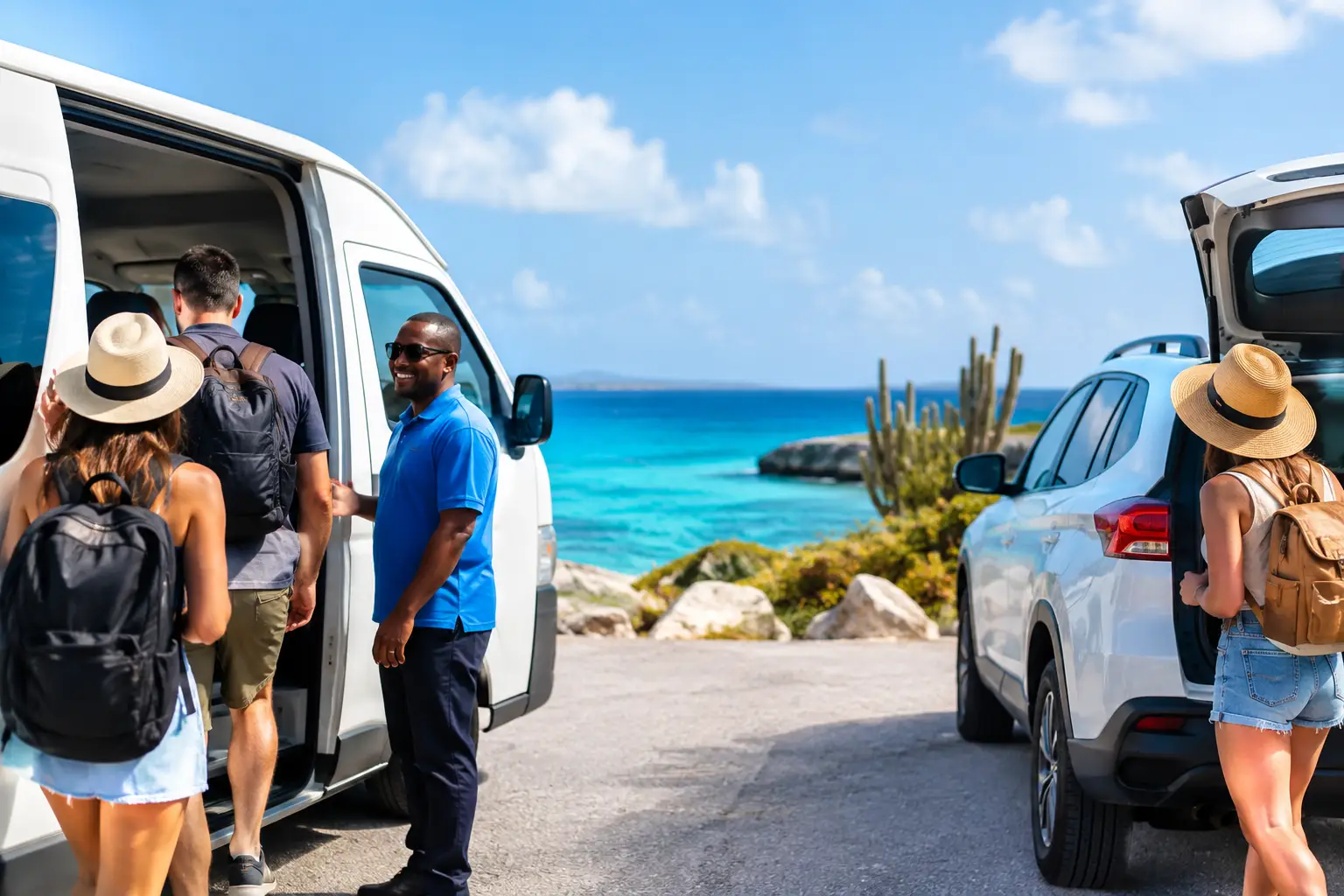
After a flight, the last thing most visitors want is a complicated transfer, a long wait, or a confusing search for a rental counter. Choosing a company that understands arrival logistics can make a real difference. Bonaire Rent a Car offers free airport pick-up and drop-off, plus free pick-up and return within office hours, so you can begin your island plans with less coordination and more confidence.
Reserve a vehicle that fits your group before you arrive, particularly during busy travel periods. Provide accurate flight and accommodation details when requested, and keep your reservation information handy. If your plans change, communicate early so the team can help where possible.
The best island days usually are not the most tightly scheduled ones. Choose a vehicle that suits your plans, drive with patience, and leave enough time to stop when a stretch of blue water, a flamingo, or an unexpected beach asks you to pull over.