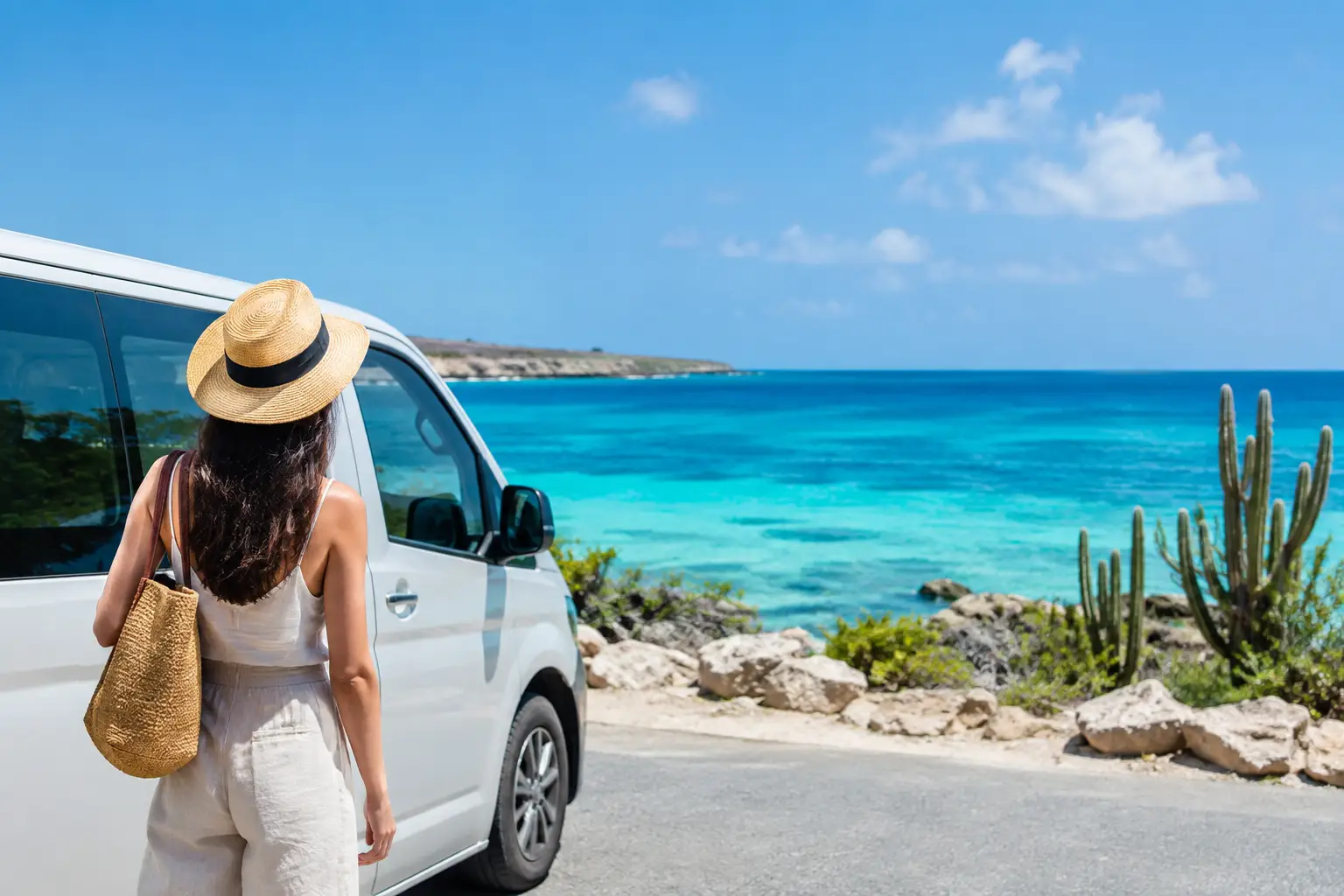



Your plane has landed, your bags are coming off the carousel, and the first decision of your Bonaire vacation is already waiting: how will you get around? The shared transfer versus rental car question is not only about getting from the airport to your accommodation. It shapes how easily you can reach a sunset dinner, an uncrowded beach, a favorite dive site, or the northern side of the island when the mood strikes.
A shared transfer can be a sensible, budget-friendly choice for a very specific kind of trip. A rental car gives most visitors more freedom once they are here. The right answer depends on your plans, the people traveling with you, and how much of Bonaire you want to see beyond your hotel or resort.
What a shared transfer does well
A shared transfer typically takes arriving guests from the airport to their hotel, resort, or vacation rental along with other passengers headed in a similar direction. It removes the need to drive after a flight, find your accommodation, or think about parking on day one. If your vacation is centered around one property and you expect to spend most of your time on-site, that simplicity has real value.
For solo travelers with light luggage, a shared transfer may also look less expensive at first. You pay for a seat rather than a vehicle, and you do not need to consider fuel or parking. Some visitors also simply prefer to let someone else handle the first ride after a long travel day.
There is a trade-off, though. Because the ride is shared, you may wait for other arrivals, make additional stops, and travel on a schedule that is not entirely your own. Once you arrive, the transfer has done its job. You will still need a plan for restaurants, beaches, groceries, dive operations, and anywhere else you would like to go.
Shared transfer versus rental car: the real difference
The biggest difference between a shared transfer and a rental car is not the airport ride. It is what happens after check-in.
With a shared transfer, each outing may require a taxi, a tour pickup, a bike, a ride from friends, or staying close to your accommodation. That can work well if your resort offers dining, beach access, and activities you genuinely want to enjoy for most of the trip. It can feel limiting if you picture yourself moving around the island every day.
With a rental car, your transportation is ready when you are. You can stop for groceries before settling in, head out early for a shore dive, change dinner plans at the last minute, or take a relaxed drive when the weather is beautiful. For many visitors, that flexibility is what turns a good Bonaire stay into a trip that feels personal rather than scheduled.
Bonaire is an island best enjoyed at your own pace. Its appeal is spread out: calm beaches, snorkeling spots, dive entry points, local restaurants, scenic coastal roads, and quieter corners that are not always a quick walk from where you are staying.
Consider your daily plans, not just arrival day
It is easy to compare only the cost of an airport transfer with the daily rate of a car. A more useful comparison looks at your entire itinerary.
If you are visiting for a quick weekend, staying at a property with everything nearby, and booking organized activities with transportation included, a shared transfer may be enough. You can always arrange a taxi for one or two special outings if needed.
For a weeklong stay, couples who want to try different restaurants, families who need room for beach bags, and friends traveling with dive gear usually benefit from having their own vehicle. The convenience becomes more noticeable each day. Instead of coordinating rides, everyone can leave when they are ready and bring what they need.
Divers should give this extra thought. Bonaire’s shore diving is a major reason people return year after year, and dive plans often change with conditions, energy levels, and recommendations from fellow travelers. Having a vehicle with appropriate space can make it much easier to transport tanks and gear, visit different entry points, and keep your schedule flexible. Choose a vehicle class that fits your equipment and passenger count rather than trying to make everything fit into the smallest option.
Cost is more than the first price you see
A shared transfer can have a lower upfront cost, particularly for one person traveling light. But the total can change quickly when multiple travelers are paying per person or when you add rides throughout the week.
Think about the trips you are likely to make: airport to accommodation, grocery store, dinner, beach days, dive sites, sightseeing, and the ride back to the airport. A rental car consolidates much of that transportation into one predictable arrangement. For couples, families, and small groups, the daily vehicle cost may compare favorably with several separate transfers and taxi rides.
That does not mean a rental car is automatically the least expensive choice for every visitor. If you truly plan to stay put, the extra mobility may not be worth paying for. The key is to be honest about your vacation style. Most travelers do not come to Bonaire only to look at the island from their resort.
Luggage, gear, and comfort matter
Airport transfers are designed to move passengers efficiently. They may have limited room depending on the number of people, suitcases, strollers, dive bags, and other equipment traveling at the same time. If you are carrying more than standard luggage, confirm the arrangement in advance.
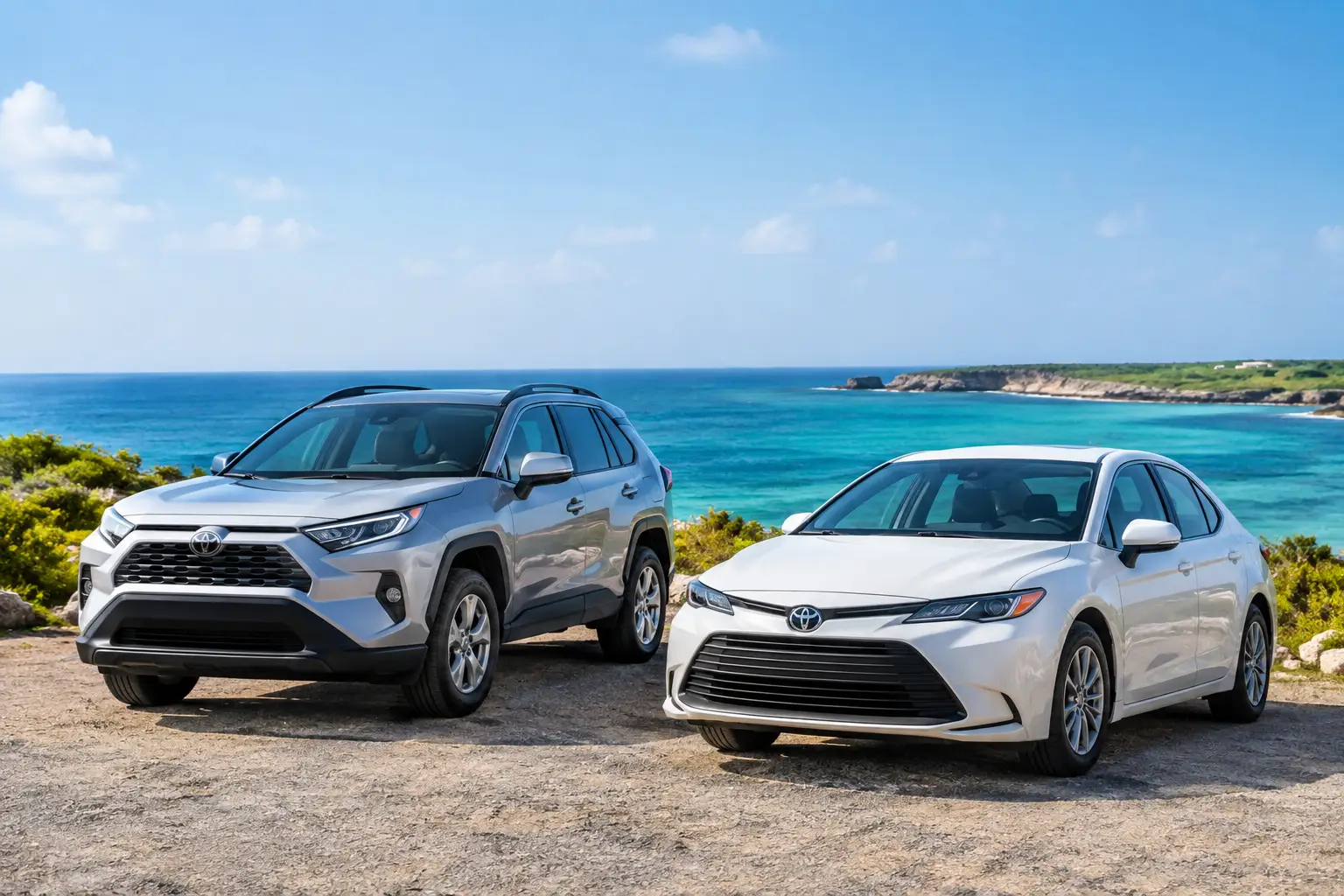
A rental vehicle lets you select the amount of space that suits your trip. An economy car can be a practical choice for two people with light bags and simple plans. A sedan or SUV may make more sense for a family or a group that wants additional passenger comfort. Pickups are especially useful for visitors bringing dive equipment or planning to explore more rugged parts of the island.
Choosing the right size helps keep the trip comfortable. Packing everyone and everything into a vehicle that is too small can make even a short drive feel like a chore.
When a rental car is the better fit
A rental car is usually the stronger choice if you want to visit several areas of Bonaire, carry beach or dive gear, dine beyond your accommodation, or avoid arranging transportation each time you leave. It is also a practical option when flight times, activity schedules, or family needs make shared transportation less convenient.
The arrival process does not have to feel complicated. Bonaire Rent a Car offers free airport pick-up and drop-off, along with free pick-up and return within office hours, so travelers can start with a friendly local hand instead of a long transportation checklist. Reserving in advance also gives you time to choose a vehicle category that fits your group rather than accepting whatever may be available later.
A few questions to ask before you decide
Before choosing transportation, picture an ordinary day on your trip. Where will you eat breakfast? Will you want to pick up snacks and drinks? Are you planning beach hopping, shore diving, or a visit to Washington Slagbaai National Park? Will everyone in your group want to leave at the same time?
If the answers point toward movement, a car will likely make your vacation easier. If they point toward staying in one place with organized excursions, a shared transfer can keep things simple.
Also consider your comfort with island driving. Visitors who prefer not to drive are better served by a transfer and planned transportation, rather than renting a vehicle they will hesitate to use. For confident drivers, Bonaire’s roads are part of the experience, offering the freedom to follow a recommendation, pull over for a view, or take the longer route simply because you have time.
Your transportation should support the vacation you came to have. Choose the option that leaves room for spontaneous swims, unhurried dinners, and the places you will be glad you did not miss.