

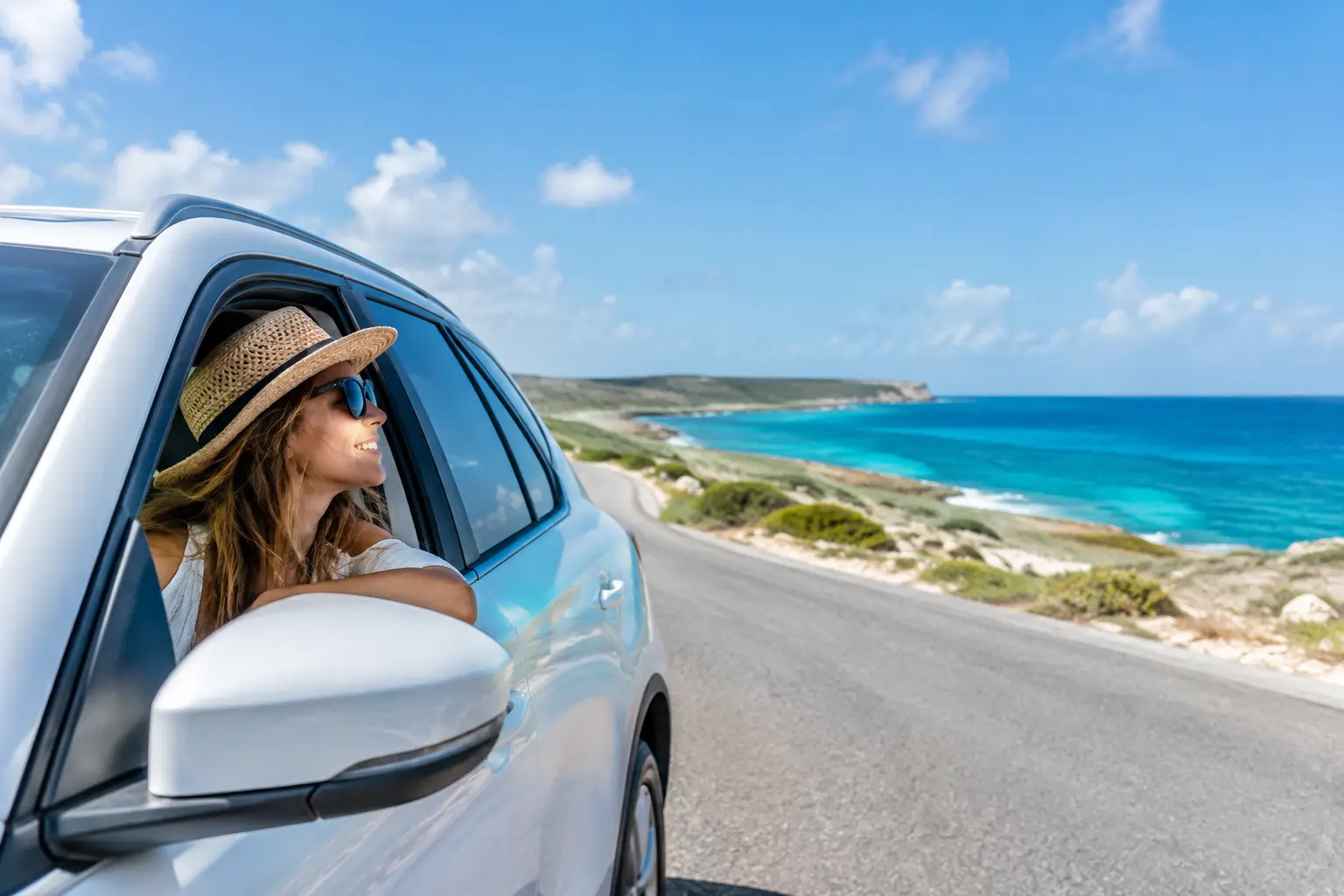
You land at Flamingo Airport, see the turquoise water, and suddenly the island feels close enough to touch. The practical question comes next: can visitors drive Bonaire? Yes. For most vacationers, renting a car is one of the easiest ways to experience Bonaire on your own schedule – from an early dive briefing to a sunset dinner on the other side of the island.
Bonaire is made for independent exploring, but it is not a place to drive on autopilot. Roads can be narrow, unpaved routes are common outside town, and a quick look at a map does not always show the difference between a smooth paved road and a rugged track. A little preparation helps you choose the right vehicle and enjoy the drive from day one.
Can Visitors Drive Bonaire With a US License?
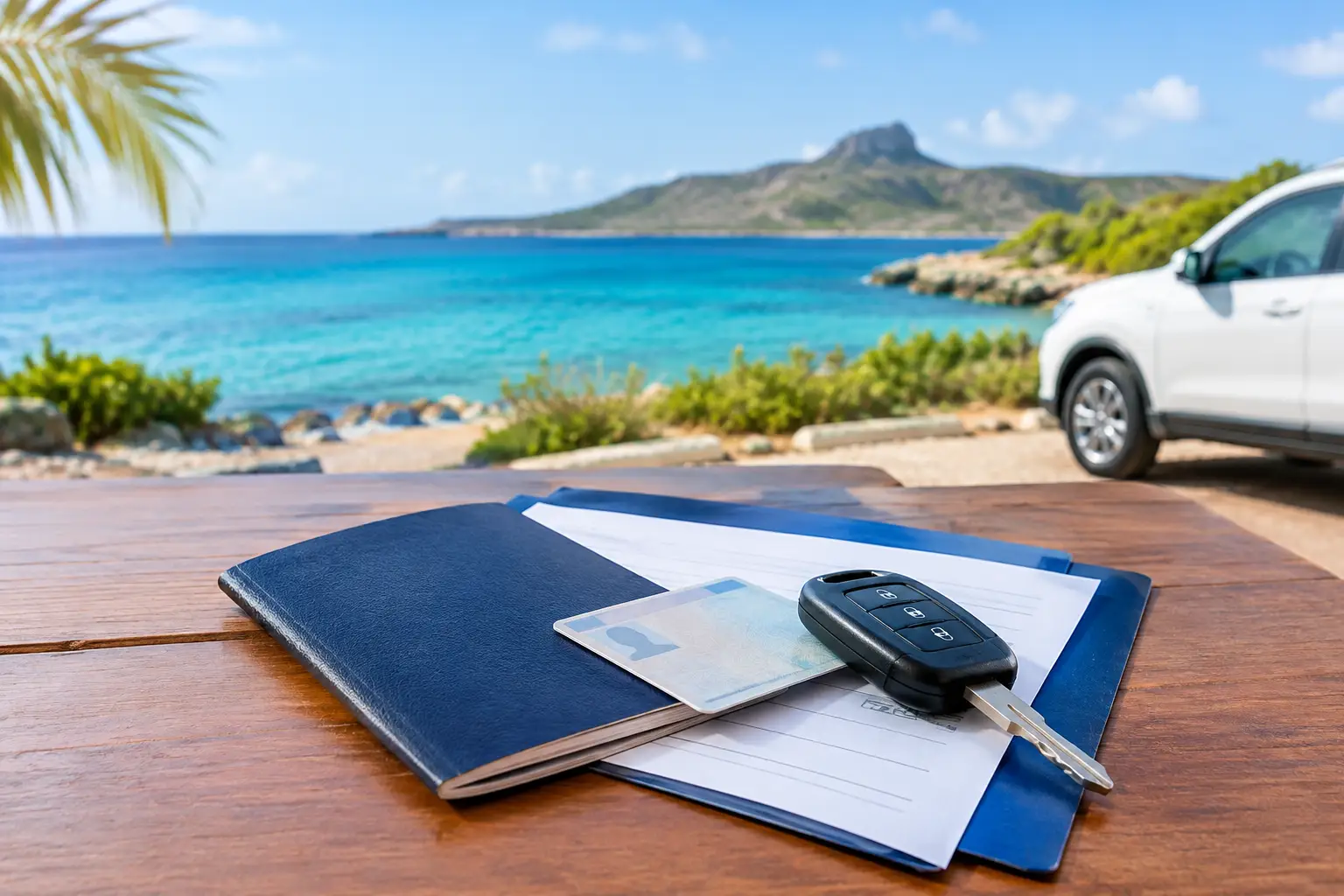
Visitors can generally drive in Bonaire with a valid driver’s license from their home country, including a current US driver’s license. Bring the physical license with you, not only a photo on your phone. Your rental company will also need to confirm its own driver, age, payment, and insurance requirements before handing over the keys.
If your license is not printed in the Roman alphabet, an International Driving Permit may be helpful or required alongside your home-country license. The same applies if there is any question about whether your document can be easily read by local authorities. It is best to check before travel rather than sorting it out after arrival.
The key word is valid. An expired license, a learner’s permit, or a temporary document may not be accepted for a rental. If two people expect to share driving, tell the rental team in advance so both drivers can be properly included in the agreement.
Why a Rental Car Makes Bonaire Easier
Bonaire is compact, but its best days rarely happen in one neighborhood. You may want breakfast in Kralendijk, a shore dive along the south coast, an afternoon at a beach, and dinner somewhere farther north. Taxis can work for airport transfers or a single evening out, but they are less practical when you have dive gear, beach bags, groceries, or a full day of stops planned.
A rental car gives you the freedom to change plans when the wind picks up, a favorite beach feels too busy, or a local recommendation sends you somewhere unexpected. It also makes early starts far simpler. Many visitors appreciate being able to load tanks and gear, leave when they are ready, and return without coordinating a ride.
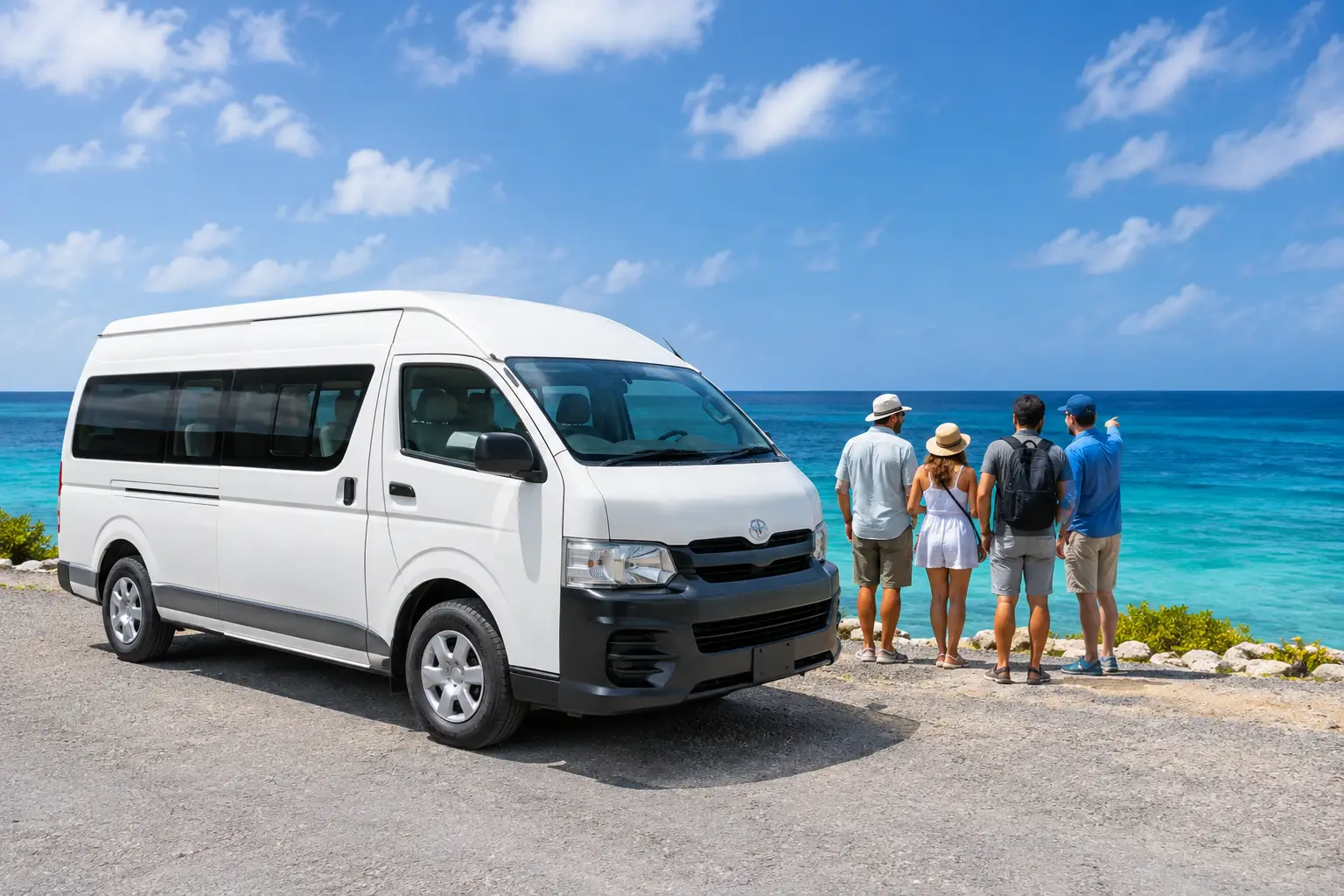
For families, a vehicle is useful even on a low-key itinerary. Shade, cold drinks, towels, and snorkeling equipment take up more space than most travelers expect. Couples who pack light may be happy in an economy car, while groups of divers or friends often value the extra room of a pickup or SUV.
Drive on the Right, but Take Your Time
Bonaire drives on the right side of the road, as in the United States. Traffic signs and road markings are familiar in many areas, and main routes around Kralendijk are straightforward. Still, island driving has its own rhythm.
Do not assume every road is as wide, smooth, or brightly marked as a road back home. Watch for pedestrians, cyclists, roaming animals, potholes, and scooters, particularly after dark. Slow down on unfamiliar roads and leave more room than you think you need when passing parked cars or cyclists.
Roundabouts are common around busier intersections. Yield to traffic already in the roundabout, use your signal when exiting, and avoid last-second lane changes. If you miss a turn, keep going and safely loop back rather than stopping suddenly.
Night driving deserves extra caution. Outside more developed areas, lighting can be limited and animals can be difficult to spot. If you are arriving on a late flight, having your vehicle arranged ahead of time removes one more decision when you are tired after travel.
Unpaved Roads Need the Right Vehicle
Some of Bonaire’s most memorable scenery sits beyond the main paved roads. The east coast, certain dive access roads, and routes in and around Washington Slagbaai National Park can be rough, rocky, sandy, or uneven. Conditions also change with weather and maintenance.
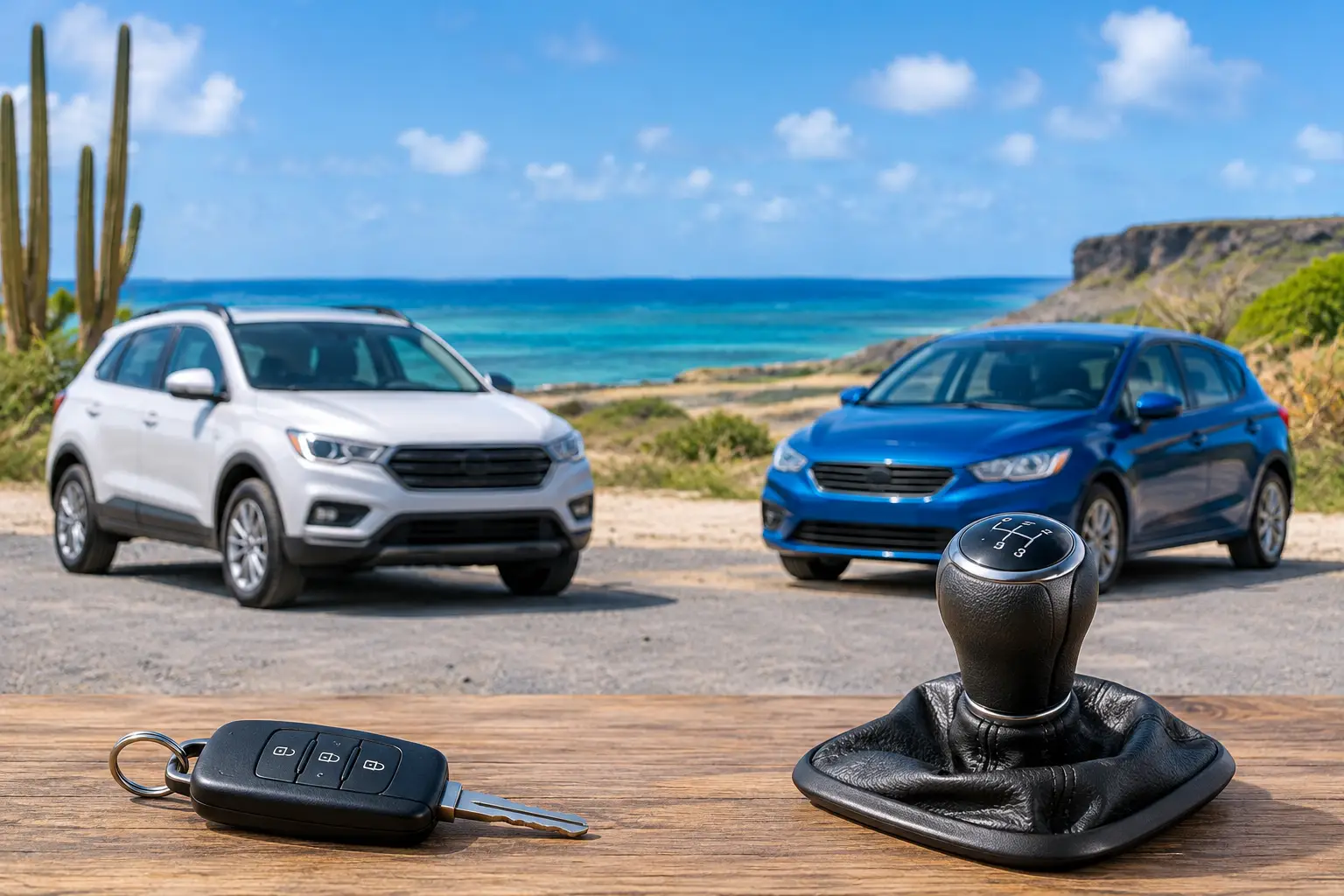
An economy car or sedan is a sensible choice for travelers focused on town, paved coastal roads, restaurants, and easy-access beaches. It is often the most affordable and comfortable option for a simple vacation itinerary.
If your plans include carrying dive equipment, visiting remote areas, or spending significant time on uneven roads, a pickup or SUV may be a better fit. Ground clearance, cargo room, and sturdier tires can make the day more comfortable. That does not mean every visitor needs a larger vehicle. It means your vehicle should match where you truly plan to go.
Before taking any rental onto an unpaved route, ask which roads are permitted under your agreement. Some routes may be restricted for safety, insurance, or vehicle-protection reasons. A helpful local rental team can point you toward suitable places to explore without guessing.
Parking, Fuel, and Everyday Driving Details
Parking is generally manageable in Bonaire, especially compared with major US vacation destinations. In Kralendijk and near popular beach areas, park only where it is safe and permitted, and do not block driveways, intersections, or access points. Keep an eye out for signs and painted curbs, as restrictions can vary by location.
At dive sites, park carefully so other vehicles can pass and emergency access remains clear. Avoid driving onto beaches or soft sand unless you know the area allows it and your vehicle is appropriate for the surface. Getting stuck in sand is an easy way to turn a relaxed beach day into a long wait.
Fuel stations are available around the island, but they are not on every route. Begin a longer drive with enough fuel, especially if you are heading north or exploring less populated stretches. Ask your rental team about the preferred fuel type and return-fuel policy when you pick up the car.
Keep valuables out of sight, even when you are only stopping for a swim or a quick photo. Better yet, take only what you need for the day. Lock the vehicle every time you leave it, and do not leave passports, wallets, electronics, or dive equipment visible inside.
Safety Rules That Matter on Vacation
Seat belts are not optional. Everyone in the vehicle should wear one, and children should use an appropriate child seat. If you need a child seat, request it while making your reservation so it can be confirmed for your travel dates.
Never drink and drive. Bonaire has restaurants, beach bars, and sunset spots worth enjoying, but the safest plan is to choose a designated driver or arrange transportation if you will be drinking. The island roads can be less forgiving after dark, even when traffic is light.
Use your phone only when safely parked. Navigation is useful, but checking a route while moving takes attention away from narrow roads, animals, and cyclists. Download maps or enter your destination before you leave, particularly if you expect to travel outside town.
If you have a breakdown or minor incident, contact your rental company promptly and follow the instructions in your rental agreement. Do not try to solve a mechanical problem yourself, and do not leave the scene of an accident. Knowing who to call is one of the quiet advantages of renting from a local team that knows the island.
Choose a Vehicle for Your Bonaire Plans
The best rental is not always the biggest one. Consider how many people are traveling, how much luggage and gear you will carry, and whether your itinerary includes rougher roads. A compact car works well for two people staying near town. A sedan offers more everyday comfort. SUVs and pickups are especially practical for dive trips, families, and travelers heading farther afield.
At Bonaire Rent a Car, the goal is to make that decision simple, with clear vehicle categories and personal help if you are unsure. Free airport pick-up and drop-off, along with pick-up and return service during office hours, can make your first and last day on the island feel much less rushed.
Book the vehicle that fits your real plans, not just the lowest daily rate. A car that holds your gear, handles your routes comfortably, and is ready when you arrive gives you more time for the reason you came: salt air, warm water, and an island day that does not need to follow anyone else’s schedule.