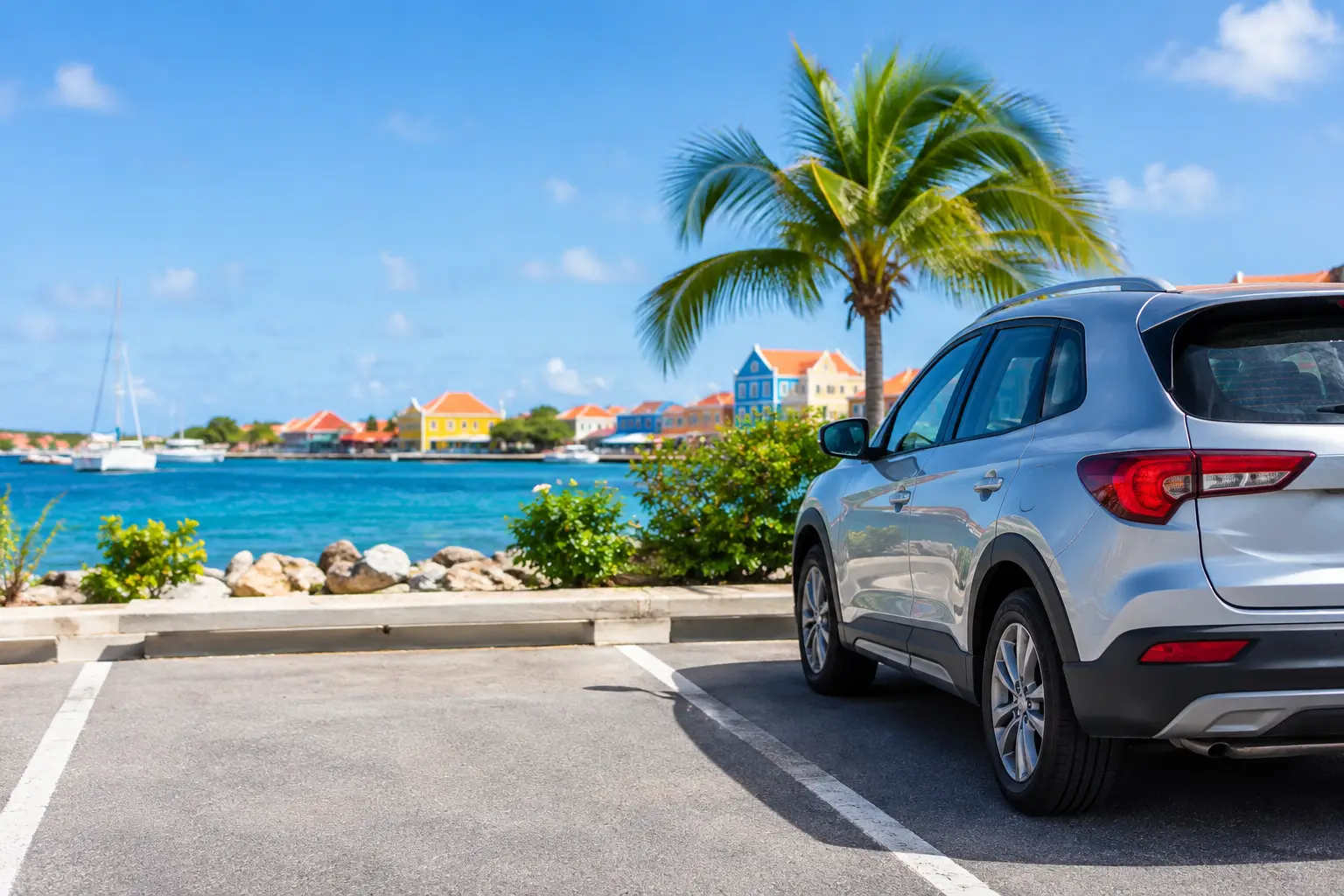


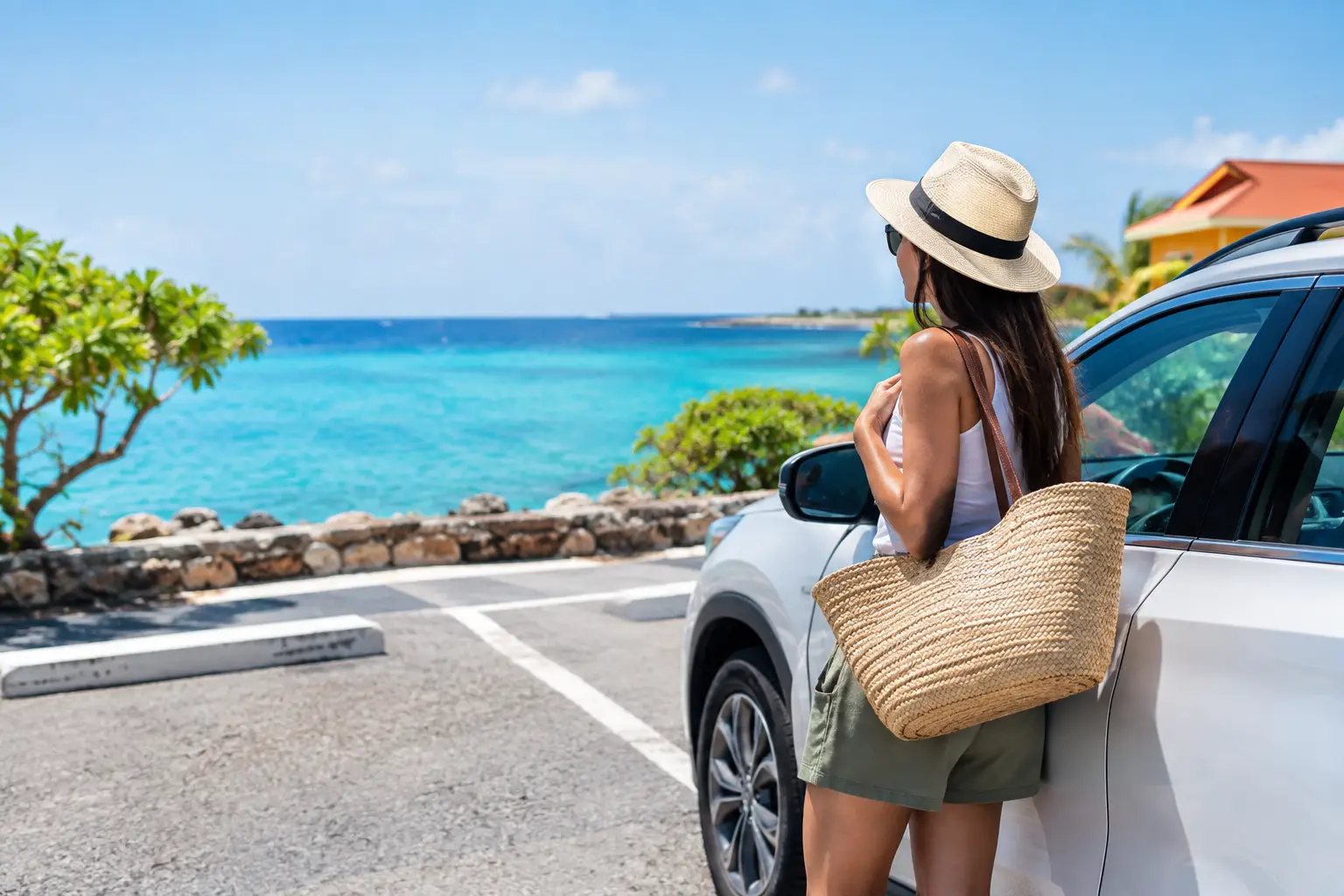
A great Bonaire day can move quickly: coffee in Kralendijk, a morning dive, lunch by the water, then a sunset stop on the south coast. This Bonaire parking etiquette guide helps you make those stops without blocking a neighbor, crowding a dive entry, or creating a problem for the next visitor. On a small island, a little parking awareness goes a long way.
Parking here is usually more relaxed than in a large US city, but that does not mean every open space is fair game. Roads can be narrow, popular sites have limited room, and many beaches sit beside residential areas or protected natural land. Think of parking as part of driving respectfully: leave room, follow posted instructions, and make it easy for others to enjoy the island too.
Bonaire Parking Etiquette Guide: Start With Space
Before turning off the road, take a moment to look at the full picture. Is there enough room for another vehicle to pass? Will a truck, tour van, or local resident be able to use the road or driveway? Can you open your doors without stepping into traffic? These quick checks matter more than finding the closest possible spot.
Never park in a way that blocks a driveway, gate, loading area, intersection, or narrow road. Even if a driveway looks quiet or a road seems lightly traveled, it may be the only access point for a home, business, or service vehicle. Pulling over for five minutes can become an inconvenience if someone cannot get out.
Avoid stopping where your vehicle forces traffic into the opposite lane around a blind curve or near a junction. Bonaire has many roads with limited shoulders, particularly outside town. If the spot feels tight from behind the wheel, it will likely feel tighter once another car approaches.
When street parking, keep your vehicle close to the edge without driving onto landscaping, sand, or vegetation. The island’s dry terrain can look sturdy, but native plants and natural ground cover are not parking surfaces. Choose a marked space, a clear roadside area, or another location rather than making a new spot with your tires.
In Town: Let Kralendijk Keep Moving
Kralendijk is compact, walkable, and full of places worth lingering over. That also means parking near the waterfront, shops, restaurants, and popular services can be limited at busier times. The easiest approach is often to park a little farther away and enjoy a short walk rather than circling for the closest space.
Pay attention to signs, painted curbs, designated parking areas, and any instructions posted by businesses or accommodations. A space in front of a restaurant or store is not automatically public parking, especially if it is clearly reserved for customers, deliveries, or hotel guests. When in doubt, choose another space or ask a staff member.
Do not double-park while someone runs inside for an errand. It can appear harmless on a quiet street, but it blocks the flow of traffic and creates an awkward situation for drivers trying to pass. The same goes for stopping in a travel lane to check directions or wait for your group. Pull into a legal, safe place first.
If your group is traveling in more than one vehicle, do not assume you need to park side by side. Take the available legal spaces, then meet on foot. This small adjustment keeps a busy area moving and saves everyone time.
At Beaches and Dive Sites, Leave Room for the Next Arrival
Bonaire’s shoreline is a big reason travelers rent a vehicle. You may be carrying towels and coolers one day, then tanks, fins, and cameras the next. Beach and dive-site parking is practical, but it can be informal and limited. The goal is to park efficiently without turning the access road into a bottleneck.
At a dive site, leave enough clearance for divers to unload gear and for vehicles with tanks to come and go. Do not park directly in front of an entry point, rinse area, access path, or signboard. A spot that is convenient for one car can prevent several divers from safely reaching the water.
If a site already has vehicles parked along the shoulder, follow the pattern only when it still leaves a clear passage. Park neatly rather than at an angle that uses two spaces. Keep doors closed as soon as you have unloaded, especially on narrow roads where passing traffic may be close.
Beach access deserves the same consideration. Avoid blocking paths used by walkers, cyclists, fishermen, or people moving beach equipment. Do not drive onto the beach or park in dunes, brush, or other natural areas just to be closer to the water. A few extra steps are worth protecting the place you came to enjoy.
Popular stops can be busiest around late morning and near sunset. If a parking area is full, resist the urge to squeeze into a questionable gap. Try another nearby stop, return later, or choose a spot where you can park safely and walk. Bonaire rewards flexibility.
Respect Residential Areas and Resort Parking
Many beautiful places on Bonaire sit close to homes, vacation rentals, and small resorts. In these areas, quiet and access are part of being a good visitor. Keep music low when you arrive or leave, especially early in the morning and after dinner. Avoid using a private driveway for turning around unless there is no other safe option.
Do not assume an empty-looking lot belongs to everyone. Private lots may serve guests, residents, staff, or businesses that need room later in the day. Park only where you have permission, and follow any instructions from your accommodation about guest parking.
If you are staying at a vacation rental, ask your host where to leave the car on arrival. That is particularly helpful when the home is on a narrow street or shares access with neighboring properties. A clear answer prevents accidental blocking and lets you settle in without stress.
Park for Safety, Not Just Convenience
Where you park also affects how secure your belongings are. Never leave wallets, passports, phones, cameras, dive equipment, or shopping bags visible in the vehicle. Put items away before you arrive, not after you park where someone can see what is being stored. When possible, bring valuables with you.
Lock the vehicle every time, even for a quick photo stop. Close windows, secure the trunk or rear cargo area, and keep the key with you. If you are hauling dive gear, organize it so you can unload promptly rather than leaving expensive items exposed while you explore.
After dark, choose a well-used, appropriate parking area whenever possible. Make sure the vehicle is fully off the road, particularly outside town where shoulders may be uneven and lighting can be limited. Use your headlights thoughtfully when arriving or departing, and avoid shining them into homes, restaurants, or groups gathered nearby.
A Quick Check Before You Walk Away
A 20-second check can prevent most parking mistakes. Before heading to the beach, a dive site, or dinner, make sure your car is fully clear of traffic, not blocking access, not parked on natural terrain, and locked with valuables out of sight. Then look once more at nearby signs or markings.
If something feels unclear, choose the more considerate option. Park farther away. Ask your host or a business owner. Move to a larger area. Those decisions protect your rental vehicle, reduce stress, and show respect for the people who call Bonaire home.
Bonaire Rent a Car is always happy to help visitors feel comfortable behind the wheel, from arrival day to the last drive back. Park with a little extra room and patience, and you will have more time for the reason you came: enjoying every easygoing mile of the island.