

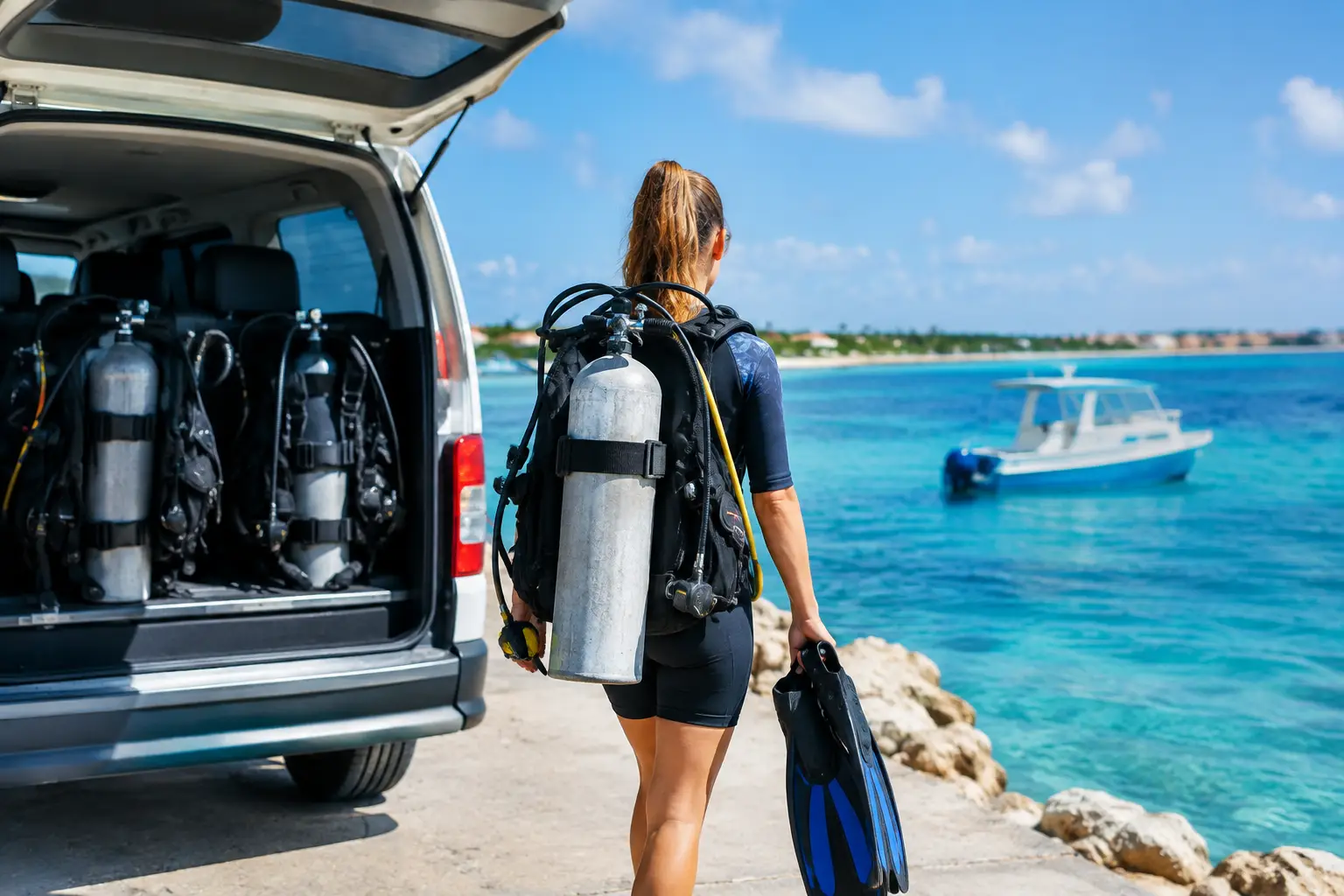
A great Bonaire dive trip transport guide starts with one simple truth: your car is part of your dive plan. It gets you from the airport to your accommodation, from the tank shop to the shoreline, and from an early-morning entry to dinner when the gear is still drying. Choose the right vehicle and arrival plan, and the island feels wonderfully easy. Leave it until the last minute, and even a beautiful dive vacation can begin with unnecessary juggling.
Bonaire rewards divers who can move on their own schedule. Shore entries, dive shops, beaches, restaurants, and the island’s wilder southern and eastern roads are spread out. A rental vehicle gives you the flexibility to change plans when the wind shifts, a favorite site is quiet, or your group decides one more sunset dive is a very good idea.
Plan transportation before you book your dive days
Start with your arrival time, where you are staying, and how you expect to dive. Resort divers who plan to stay close to one property may need less daily driving than independent shore divers. But even then, having a vehicle can make grocery stops, restaurant nights, and beach visits much easier.
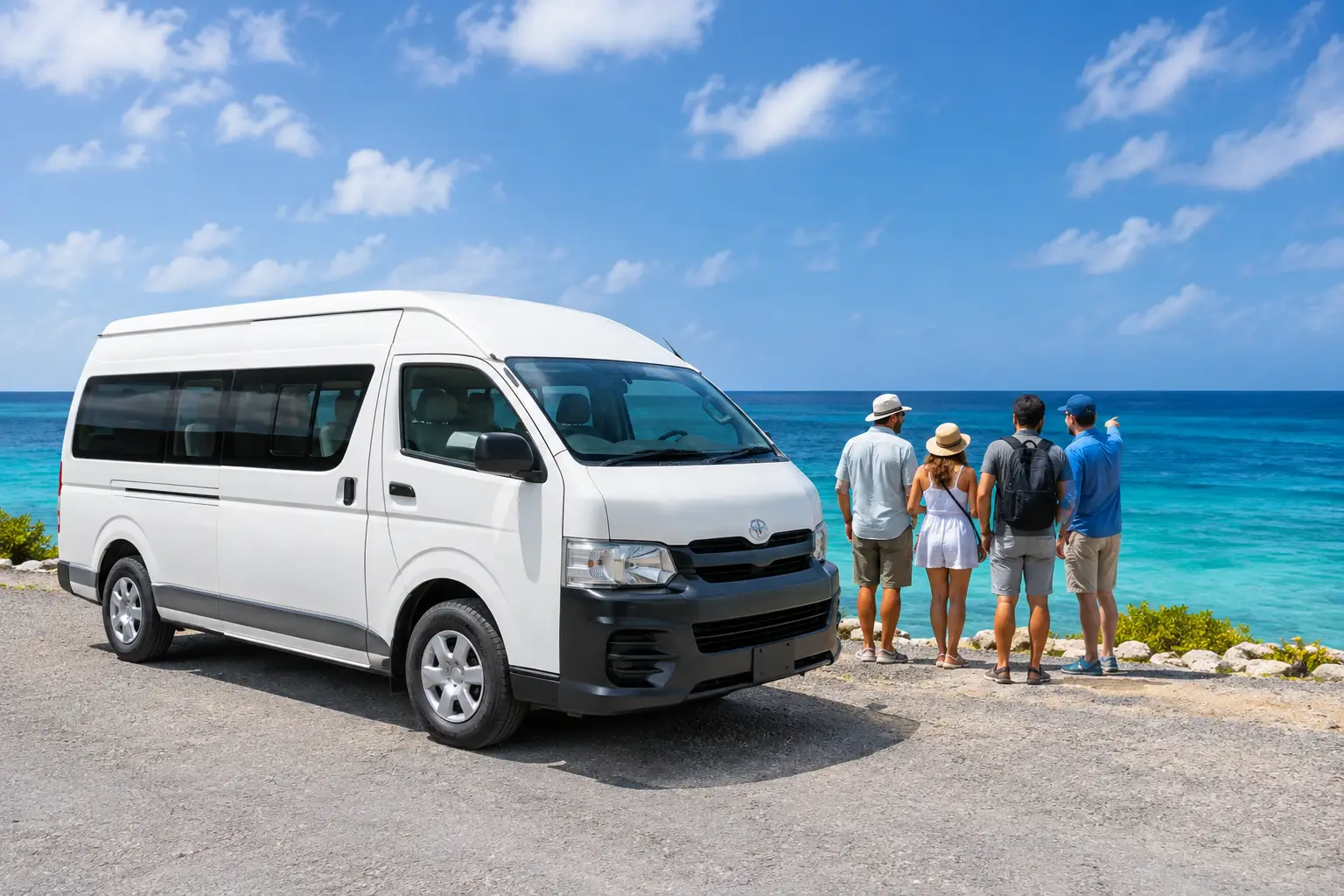
If you are flying in with dive bags, confirm your pick-up process before departure. After a long travel day, the last thing most divers want is to search for a taxi large enough for luggage, camera cases, and a buddy’s oversized fin bag. A clear airport pick-up arrangement means you can collect your vehicle, load up, and begin settling in.
Reserve early when traveling during popular periods. The best vehicle for a diving group is not always the largest one on the lot. It is the one that fits your people, gear, tanks, and planned routes without making every load-in a puzzle. Booking ahead gives you more choice and lets you ask practical questions before you arrive.
Choose a vehicle for your actual dive setup
There is no single best vehicle for every Bonaire diver. The right choice depends on your group size, the amount of equipment you carry, and whether your plans include rougher roads or mostly paved routes.
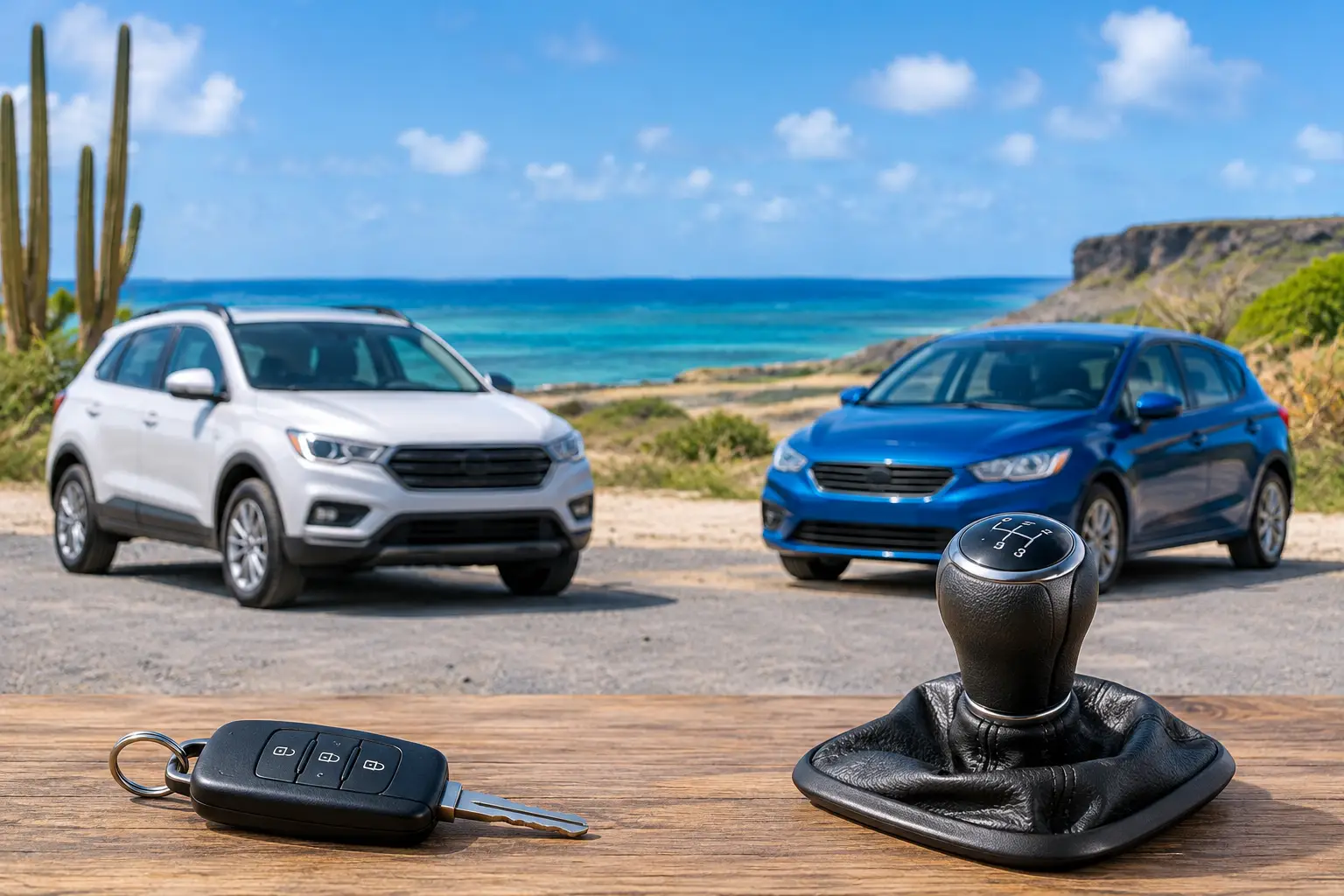
A couple traveling light may be comfortable in an economy car or sedan for easy driving between accommodations, dive shops, and well-known shore sites. This can be a practical choice if you rent tanks as needed and keep your packing compact. The trade-off is cargo space. Two sets of wet gear, tanks, towels, groceries, and suitcases fill a smaller car quickly.
SUVs offer more room for families or friend groups, especially when you want a little extra space between people and equipment. They can be a comfortable middle ground for visitors who plan to combine diving with sightseeing, dining, and beach days.
For many dedicated shore divers, a pickup is the most convenient option. It keeps damp gear separate from the passenger area and makes it easier to load tanks, fins, weight belts, and rinse bins. A larger pickup can make sense for four divers, photographers with substantial equipment, or anyone planning several days of independent diving. Do not choose a large vehicle only because it sounds adventurous, though. Bigger vehicles use more fuel and can be less convenient in tighter parking areas. Match the vehicle to the way you truly travel.
Bonaire Rent a Car offers several vehicle categories, including economy cars, sedans, SUVs, pickups, deluxe pickups, and a classic Land Cruiser option. If you are unsure which category works for your group, asking before you reserve is far better than discovering on day one that the cooler and camera housing have nowhere to go.
Think beyond suitcases
When estimating cargo room, count more than airport luggage. A typical dive day may include tanks, BCDs, regulators, fins, masks, exposure protection, towels, water, snacks, sunscreen, dry bags, and a change of clothes. Add a camera rig or dive lights, and space disappears fast.
Also consider how you will keep gear organized. Bring a sturdy mesh bag or plastic bin for smaller items, and use towels or soft bags to stop metal buckles and camera gear from shifting during the drive. If you are carrying tanks, secure them so they cannot roll or slide. Your dive shop may have recommendations for safe tank transport based on its equipment and procedures.
Make airport arrival easy on yourself
Build a little breathing room into your first day. Flights, luggage collection, and grocery stops can take longer than expected, particularly when several planes arrive around the same time. If you have a scheduled check-in or tank orientation, avoid planning it so tightly that a small delay puts your whole group under pressure.
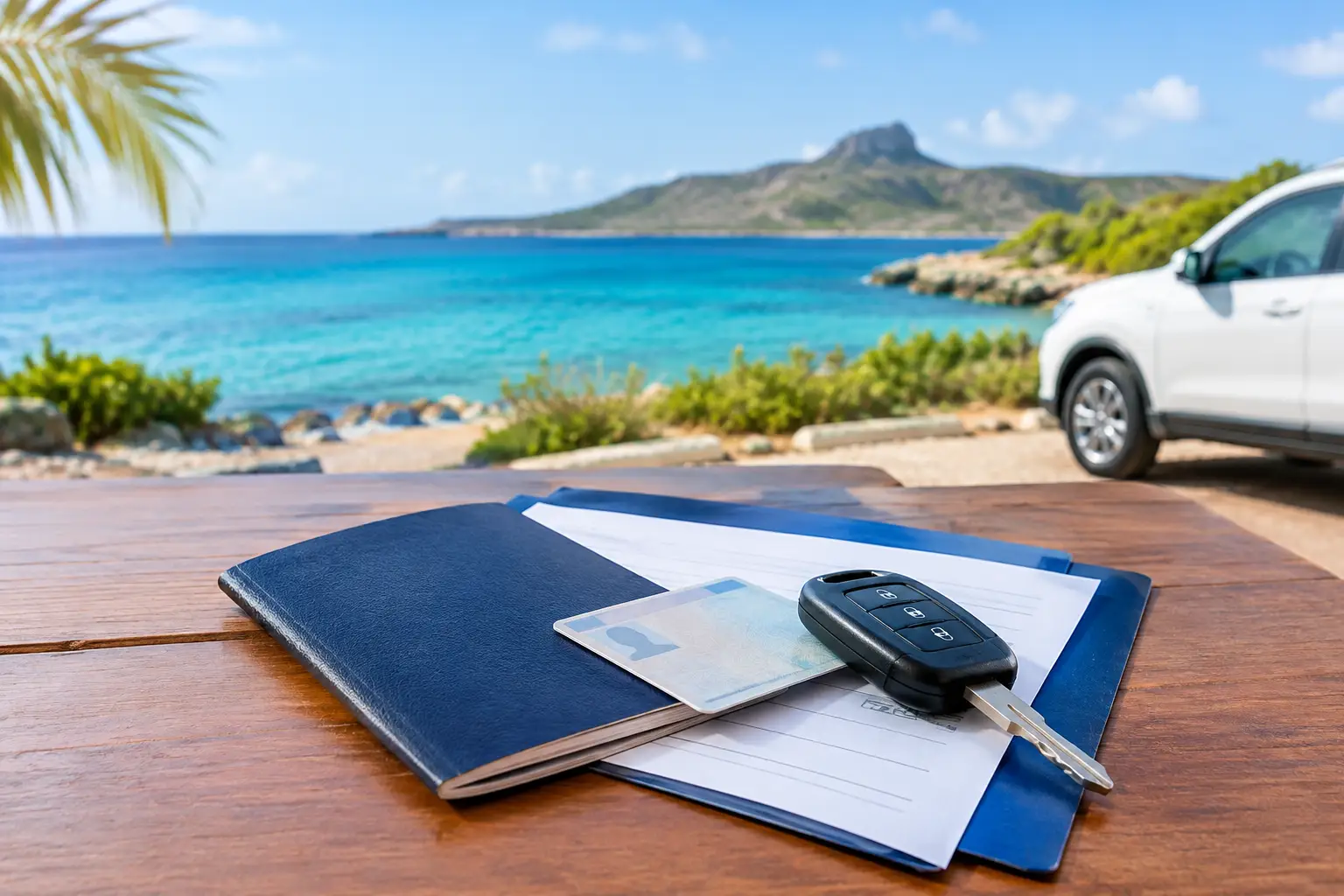
Keep the essentials within reach: driver’s license, reservation details, accommodation address, and a charged phone. Put one swim outfit, medication, and any must-have dive documents in your carry-on rather than relying on checked bags. You may not need all your equipment immediately, but having the important items handy makes arrival calmer.
Ask about the rental company’s pick-up and return arrangements, including office hours. Bonaire Rent a Car provides free airport pick-up and drop-off, plus free pick-up and return during office hours across the island. That kind of practical service can remove a surprising amount of friction, especially if your group is arriving with more bags than hands.
Plan your dive-day driving routine
A good dive vehicle setup saves time every morning. Load tanks and heavy items first, then place fins, masks, towels, water, and dry clothes where they are easy to reach. Keep valuables out of sight whenever possible, and do not leave cameras, passports, or electronics in a parked vehicle.
Many shore sites are accessible from paved roads, but conditions vary. Some access routes are uneven, sandy, or rocky, particularly away from the main towns. Drive slowly, respect marked areas, and avoid treating unfamiliar roads like a shortcut. Bonaire’s landscape is part of what makes the island special, and careful driving protects both your vehicle and the environment.
Salt, sand, and wet equipment are normal on a dive vacation. Still, a little care goes a long way. Brush excess sand from fins and feet before getting in, keep wet gear contained, and rinse equipment according to your dive operator’s guidance. A simple towel or cargo liner can help protect the vehicle while keeping your group more comfortable on the ride home.
Fuel, water, and daylight matter
Do not wait until the gauge is nearly empty to refuel, particularly before a day of exploring farther from your accommodation. Carry drinking water for everyone in the vehicle, even if your plan is only one dive. Bonaire’s sun can feel stronger than expected after time in the water.
Pay attention to daylight as well. An afternoon dive can easily turn into a relaxed sunset on the beach, but you still need a comfortable route back. Download or save directions before leaving when possible, and let someone in your group know the day’s general plan.
Coordinate transport with your dive operator
Your dive shop is one of your best local resources. Before the first dive, ask how tanks are collected, returned, and secured, whether certain sites need particular vehicle clearance, and where you should park without blocking access. They can also advise on current conditions, entry points, and sites that suit your group’s experience level.
If you are diving with children, new divers, or non-diving family members, build your driving plan around comfort rather than trying to fit in every famous site. One relaxed morning dive, a beach lunch, and an easy afternoon snorkel can be a better vacation day than hours spent packing, unpacking, and rushing across the island.
Photography-focused divers should leave additional space in the plan. Camera equipment needs careful loading, shade when possible, and a place away from loose tanks and wet weight belts. A pickup can be useful, but it still requires thoughtful organization. Use padded cases and never assume a vehicle bed alone protects delicate gear.
A little flexibility makes Bonaire better
The best transport plan gives you options without making every moment feel scheduled. Maybe the forecast makes the east side less appealing. Maybe your group loves a site so much that you want to return tomorrow. Maybe you spot a quiet beach on the drive back and decide to stop for a few minutes.
That is the real value of having the right vehicle, a clear pick-up plan, and room for the gear that makes your trip yours. Pack thoughtfully, drive respectfully, and leave enough space in the day for Bonaire to surprise you.