

Bonaire is small enough to see a lot in one day, but the best beach days rarely come from trying to see every shoreline on the map. Knowing how to plan beach hopping means choosing a sensible route, allowing room for a long swim or snorkel, and having a vehicle that lets you change plans when a beach feels too good to leave.
The island’s coast offers very different experiences within a short drive. You can start the morning at a quiet snorkeling spot, stop for lunch near town, and finish the day watching the sun drop over the Caribbean. A little planning keeps that freedom fun instead of rushed.
Start with the kind of beach day you want
Before choosing stops, decide what your group wants most from the day. A couple looking for calm water and an easy lunch has different needs than divers carrying tanks, families traveling with kids, or friends hoping to photograph Bonaire’s wilder southern coast.
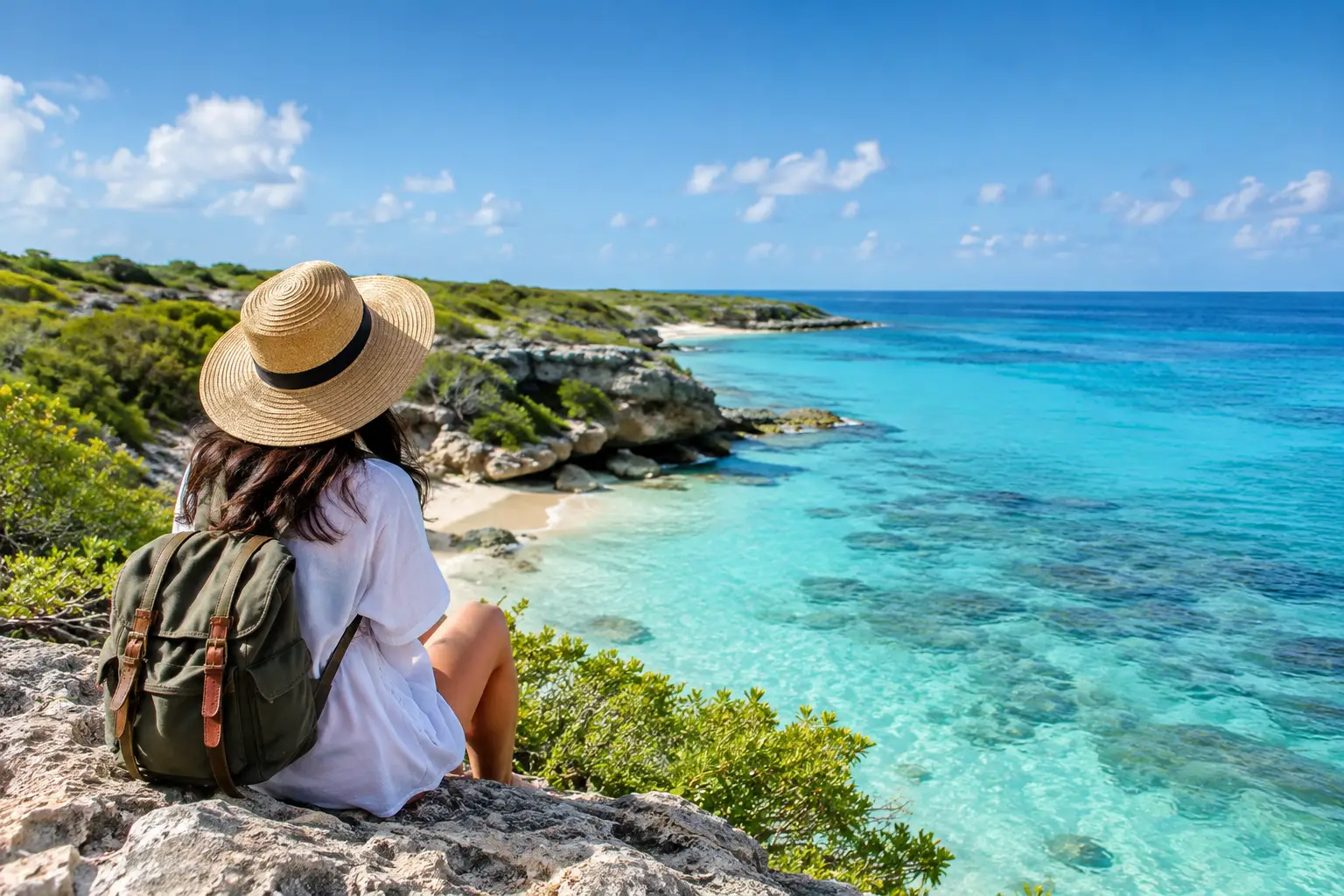
For swimming and snorkeling, the leeward west coast is usually the natural focus. Many of Bonaire’s well-known shore-entry sites are along this side of the island, with clear water and easy access from the road. These are often rocky shorelines rather than broad stretches of soft sand, so water shoes and a comfortable way to carry gear matter.
If your priority is scenery, build a route around the south. Salt pans, flamingos, the slave huts, windsurfing areas, and open coastal views make this part of the island feel like a road trip as much as a beach day. The east coast is more exposed and dramatic, but conditions can be rougher. It is better for looking, walking, and taking photos than assuming every stop will be a comfortable swim.
The north is a good choice when you want a quieter, more natural day. Expect less development, more distance between services, and roads that may be uneven. Washington Slagbaai National Park can be a rewarding full-day outing, but it is not a quick add-on to a packed beach itinerary. Check current park hours, entry requirements, and road conditions before you go.
How to plan beach hopping without backtracking
Bonaire rewards simple routes. Instead of crossing the island several times, choose one area per day and travel in a loop or a steady line. You will spend less time in the car and more time where you came to be.
Plan a south-to-west beach day
A relaxed southern route can begin with a morning snorkel near the western coast, before the sun is strongest. From there, continue south past the salt flats and coastal landmarks, pausing wherever the view catches your attention. You can then head back toward Kralendijk for lunch or make your final stop at a west-coast beach for a late-afternoon float.
This route works well for travelers who want variety without difficult driving. Fuel, food, and restrooms are easier to find closer to town, so take care of those basics before heading farther south. Bring drinking water anyway, especially when you are exploring in the middle of the day.
Make the west coast your snorkeling day
If snorkeling or shore diving is the main event, keep your route tighter. Pick two or three sites within the same stretch of coast rather than trying to visit six. Conditions, visibility, and your group’s energy can change during the day. A flexible plan lets you stay longer at the spot that feels best.
For divers, allow more time than you think you need for parking, setting up gear, rinsing off, and enjoying the surface interval. A pickup or SUV can make a real difference when you are traveling with tanks, coolers, fins, and several people. For a lighter beach day, an economy car or sedan may be all you need on paved routes.
Give the north a full day
Northern Bonaire is not the place for a tight schedule. If you are visiting the national park or seeking remote coves, start early, pack lunch, and keep your expectations flexible. Some roads are rough, and a higher-clearance vehicle may be the more comfortable choice depending on your route and current conditions.
Do not plan a remote north-coast drive immediately after landing unless you are well rested and familiar with island driving. Save it for a day when you can take your time.
Choose a vehicle for your actual itinerary
The right rental car is less about choosing the biggest option and more about matching it to your plans. Consider how many people are traveling, how much gear you will carry, and whether your route includes unpaved or rougher roads.
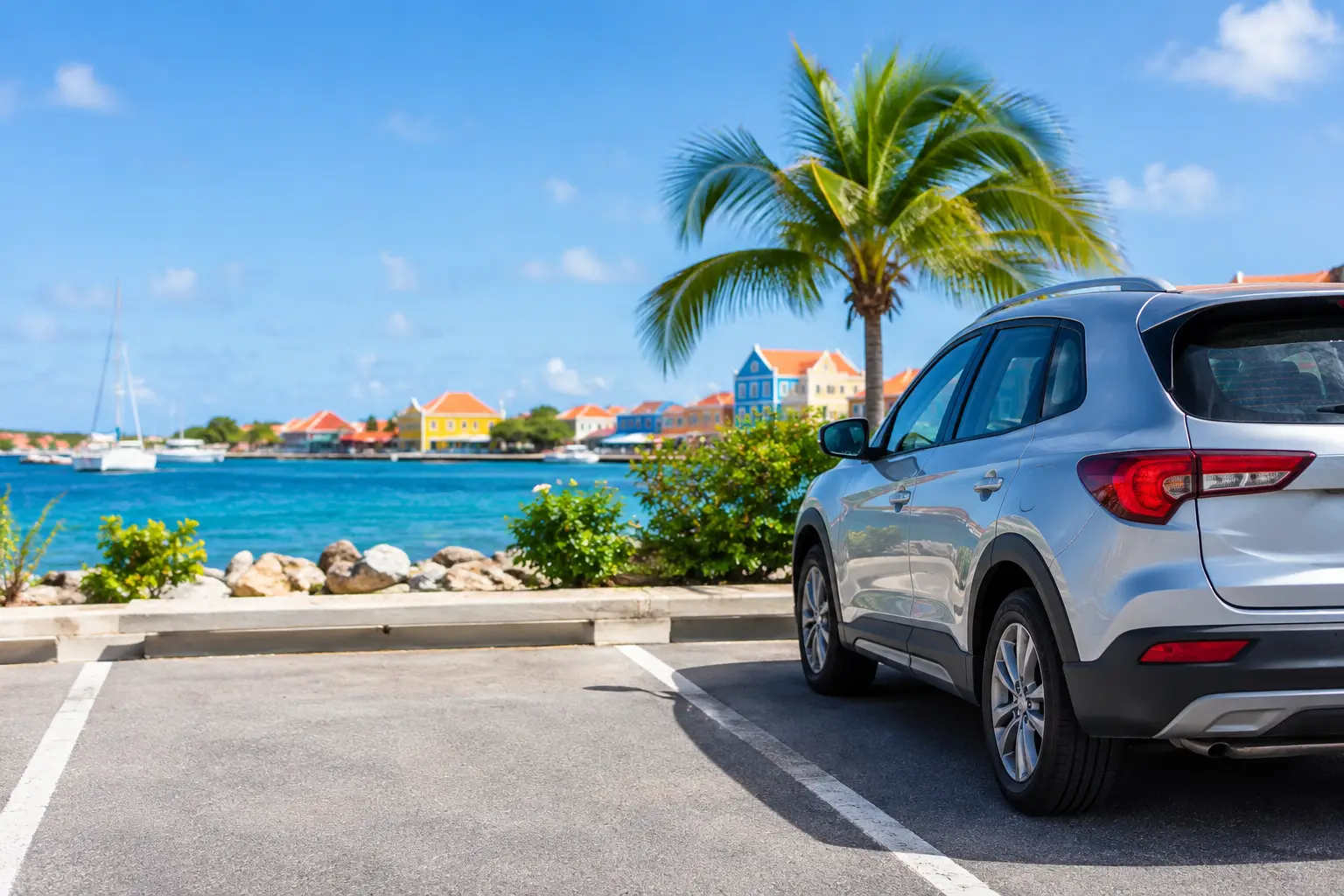
An economy car is a practical choice for couples or solo travelers sticking to paved roads, town errands, and accessible west-coast stops. A sedan gives a little more room for beach bags and passengers. Families and groups often appreciate an SUV for the extra space and a more comfortable ride on varied roads. Pickups are especially useful for divers, windsurfers, and anyone hauling bulky equipment.
Keep in mind that leaving valuables visible in any vehicle is never a good idea. Bring only what you need to the beach, secure the rest, and do not leave phones, wallets, bags, or gear sitting in plain view.
A local team can also help you choose based on your arrival plans and the areas you want to visit. Bonaire Rent a Car offers vehicle options for everything from simple beach drives to gear-heavy dive days, along with free airport pick-up and drop-off to make your first day easier.
Pack for the shore, not just the car
A beach-hopping bag should be ready for changing conditions. The sun is strong, the shoreline can be rocky, and the next shop may be farther away than expected. Reef-safe sunscreen, a hat, sunglasses, plenty of water, towels, snacks, and water shoes cover the basics.
Add a dry bag or waterproof pouch for your phone and keys, especially if you plan to snorkel. A small first-aid kit is useful for minor scrapes from rocks or coral. If you are bringing snorkeling equipment, check masks and fins before leaving your accommodation. Fixing a foggy mask or missing strap is much easier there than at a remote shore entry.
For families, keep one bag easy to reach with extra water, snacks, and a change of clothes. For divers, organize gear so the items you need first are accessible without unloading the whole vehicle at every stop.
Respect Bonaire’s water and wildlife
Bonaire’s reefs are the reason many visitors come back year after year. Treating them carefully is part of a good beach day. Do not stand on or touch coral, feed fish, or chase turtles and other wildlife. Keep a respectful distance and enjoy the encounter without turning it into a close-up photo opportunity.
Pay attention to signs at shore-entry sites and protected areas. Parking rules, access points, and local guidance exist to protect both visitors and the coast. If the sea looks rough, visibility is poor, or you are unsure about an entry, choose another stop. There is no prize for forcing a swim in conditions that do not feel right.
It also helps to check whether you need nature access documentation before snorkeling, diving, or visiting protected areas. Requirements can change, so confirm current details before your trip rather than relying on an old travel post.
Leave room for the unexpected stop
The best beach-hopping itineraries have a plan, but not every minute planned. Maybe the water is unusually calm at your first stop. Maybe you find a shaded table for a long lunch, spot flamingos near the salt pans, or decide your group would rather spend the afternoon floating than driving.
Choose a route, pack well, and start early enough to avoid watching the clock. Bonaire is at its best when you can pull over safely, take in the view, and let one great beach lead naturally to the next.