

Your vacation starts the moment you pick up the keys, not after a long discussion about a scratch you did not notice until later. Knowing how to inspect a rental vehicle takes only a few minutes, and it gives you the confidence to head for the beach, your hotel, or your first dive site without second-guessing the car.
At Bonaire Rent a Car, we want the process to feel simple and friendly. A quick, careful walk-around protects you, helps us keep the fleet in great condition, and gets you on the road faster. Here is what to check before you drive away.
How to Inspect a Rental Vehicle in 10 Minutes
There is no need to inspect a rental car like a mechanic. Your goal is to document its current condition, confirm that basic safety items work, and make sure the vehicle fits the trip you planned. Do the inspection while a team member is nearby if possible, especially if you see anything that concerns you.
Start by opening your phone camera. Take clear photos or a short video of the vehicle before loading luggage, dive gear, coolers, or beach bags. Walk slowly around the entire car and capture each side, the front, the rear, the roof if you can see it clearly, and the wheels.
Pay extra attention to bumpers, door edges, mirrors, the windshield, and lower body panels. These are the places where small marks can be easy to miss at first glance. Photos should show the overall vehicle as well as close-ups of any dents, chips, scrapes, cracked lights, or worn areas you notice.
If an existing issue is not shown on the rental paperwork, point it out right away. A reputable rental team would rather make a note before you leave than have you wonder about it later. Keep your photos until the vehicle has been returned and your rental is closed.
Check the exterior in daylight when possible
Lighting changes what you can see. A vehicle can look perfect in a shaded parking area but reveal a small scrape in direct sun. If you are arriving after a flight and picking up the car in the evening, use your phone flashlight for a closer look at the body, windshield, headlights, and tires.
You are not looking for ordinary signs of use. Small cosmetic marks are common with rental vehicles, particularly on an island where sand, salt air, and parking near beaches are part of daily life. What matters is recognizing and reporting anything that is not already documented.
Look for a windshield free of fresh cracks or stars, mirrors that are secure, and lights with intact lenses. Check that the license plate is present and visible. If you have reserved a pickup or SUV for gear, take a moment to look at the bed or cargo area, too. Make sure it is clean, usable, and large enough for what you brought.
Look at the tires, not just the paint
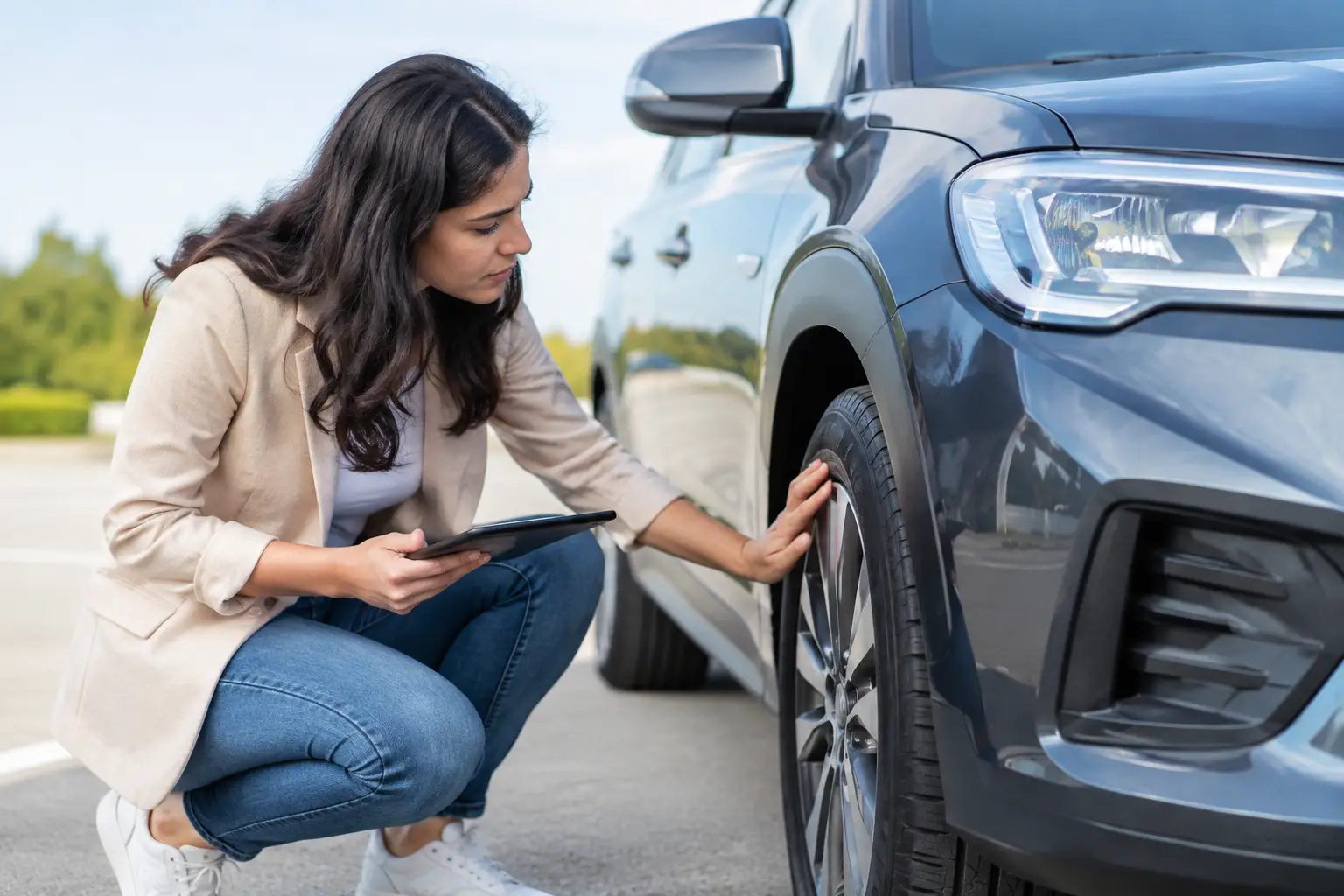
Tires are easy to overlook when you are eager to begin your holiday, but they are one of the most useful checks you can make. Walk around the vehicle and look for tires that appear properly inflated, without obvious bulges, deep cuts, or severe damage. Check that the tread does not look unusually worn.
You do not need to measure tire pressure yourself unless something looks off. If one tire appears noticeably lower than the others, mention it before leaving. Also ask where the spare tire, tire repair kit, or roadside assistance information is located. The answer varies by vehicle, so it is always worth knowing before you need it.
Get Comfortable Inside Before Pulling Out
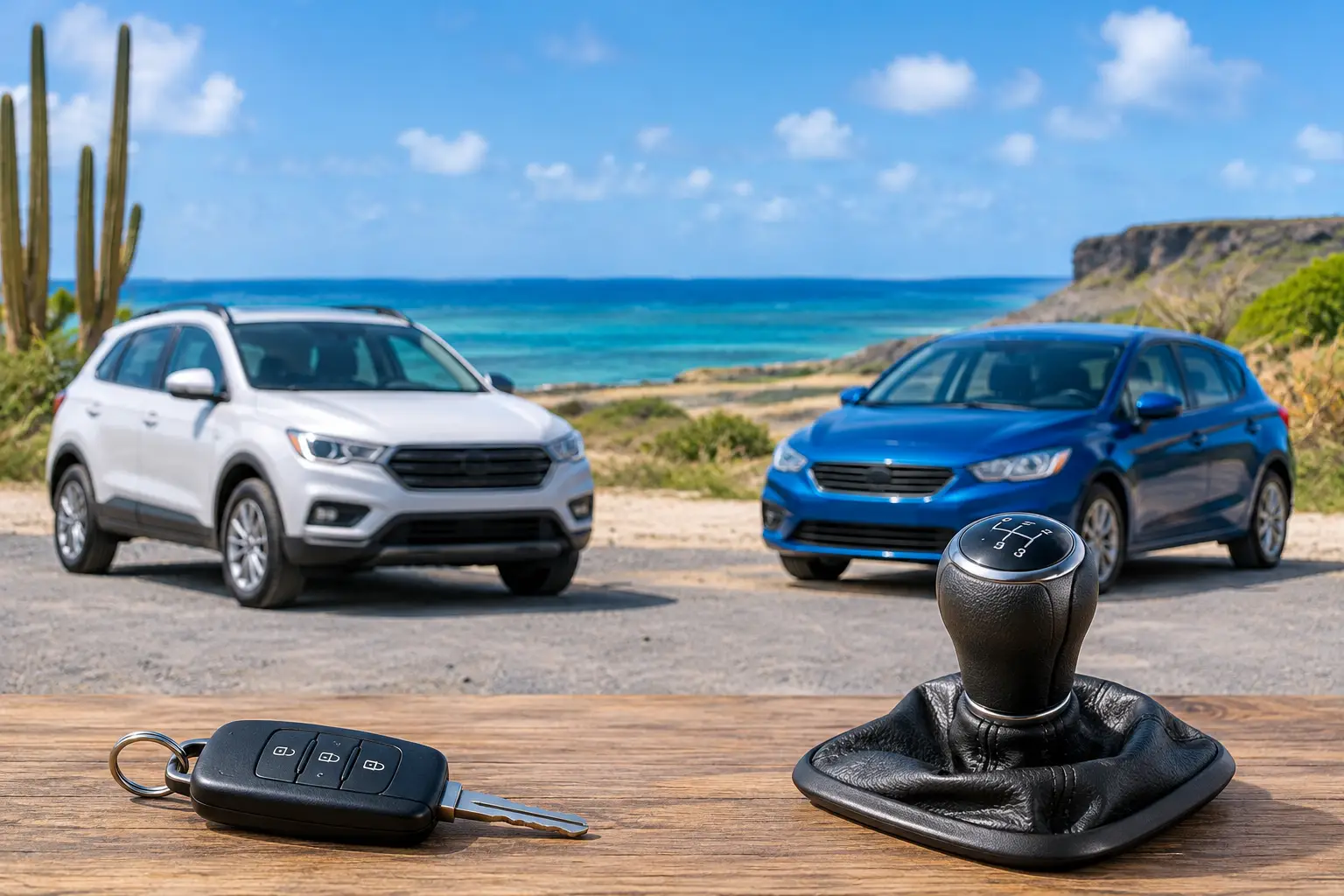
Once the exterior is documented, sit in the driver’s seat and adjust it as you would at home. Move the seat, set the mirrors, and locate the controls before you join traffic. This is especially helpful if you have rented a vehicle with a different size, transmission, or layout than your own car.
Turn the key or start button and look at the dashboard. Warning lights often appear briefly when the vehicle starts, then go out. If a warning light stays on, ask the rental team what it means before you drive away. Do not assume a light is harmless just because the car seems to run normally.
Test the air conditioning, headlights, turn signals, brake lights if someone can help check them, windshield wipers, and horn. On Bonaire, air conditioning can make the difference between a relaxed drive and a very warm one, while functional lights and wipers matter if the weather changes or you are driving after sunset.
Take a moment to find the fuel gauge and ask what fuel the vehicle uses. Confirm the return fuel policy so there are no surprises on your final day. It is also smart to locate the parking brake, hazard lights, and fuel door release before you need them.
Review the Paperwork and Rental Details
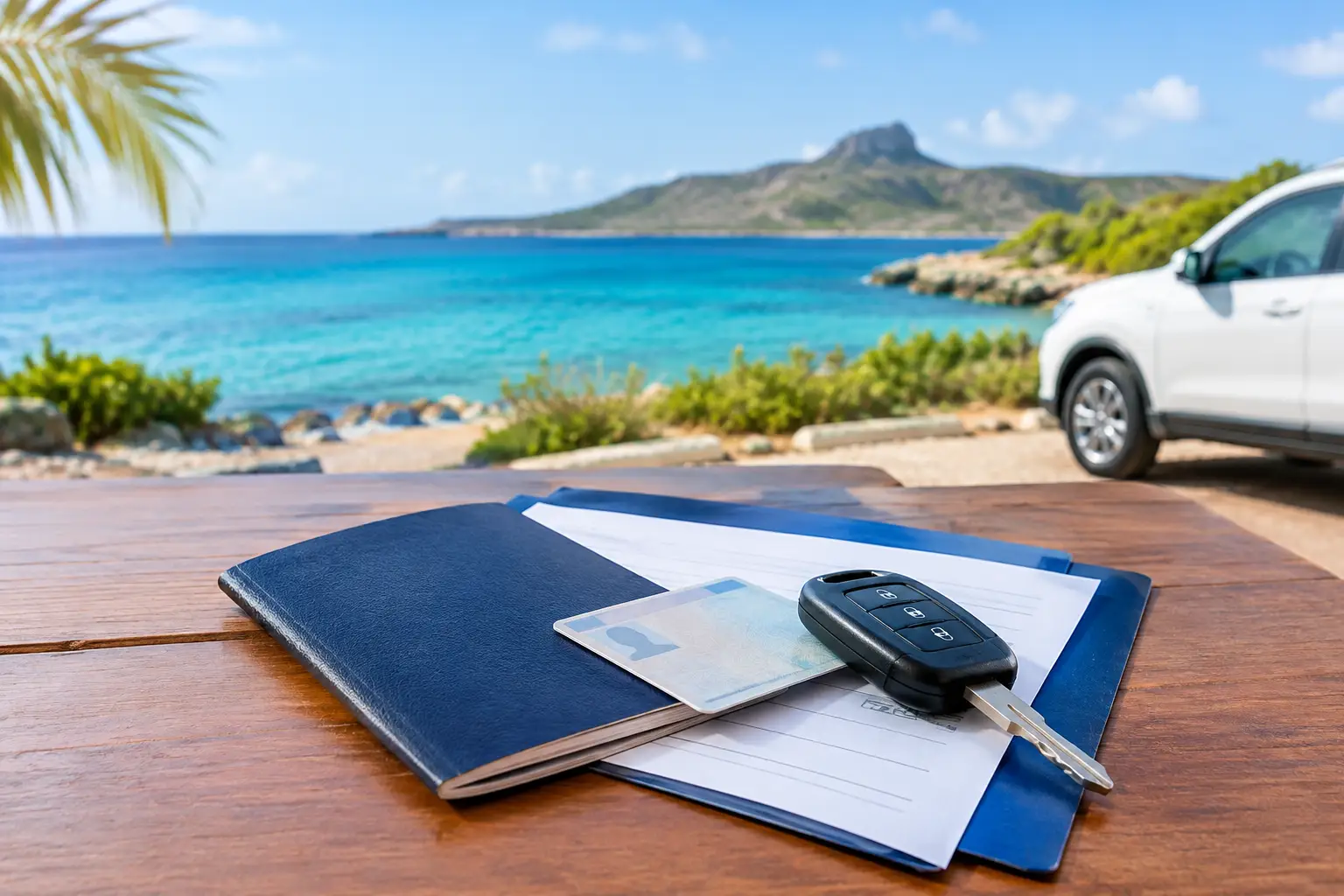
The vehicle inspection is not only about the car. Before you leave, make sure the information on your rental agreement matches what you booked. Check the dates, return time, vehicle category, and contact number for assistance.
If you added an additional driver, confirm that person is listed. If you chose insurance coverage or have questions about your own travel or credit card coverage, ask while you are still at pickup. Coverage can vary, and clear answers are easier to get before a problem occurs.
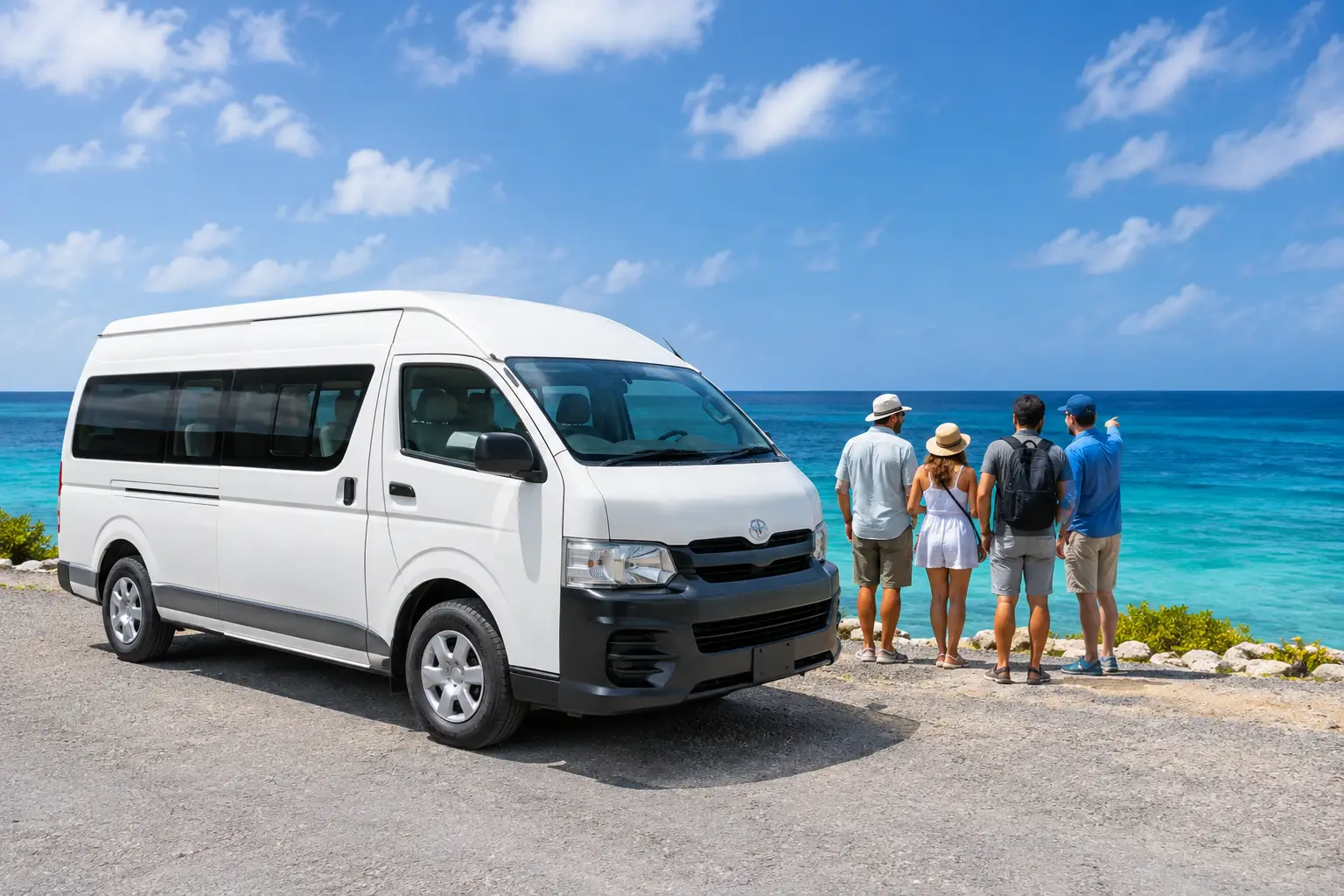
This is also the right time to ask about any driving limits that apply to your rental category. Bonaire has paved roads, quiet neighborhood streets, beach access roads, and rougher routes where a higher-clearance vehicle may be a better choice. A compact car may be ideal for couples staying near town and making easy beach runs. A pickup or SUV can be more practical for families, dive equipment, or plans that involve less-developed roads.
The best vehicle is not always the biggest one. Larger vehicles offer room and clearance, but they can be less convenient in tighter parking areas and may use more fuel. Choose based on your passengers, luggage, gear, and itinerary, then ask the rental team for local guidance if you are unsure.
Take a Short Test Drive Before You Commit
You do not need to go far. Drive slowly through the pickup area or nearby parking lot and notice how the brakes, steering, and transmission feel. Listen for anything unusual, and make sure you are comfortable with the vehicle’s visibility and turning radius.
If you are traveling with children, now is the time to confirm car seats are properly installed and seat belts are easy to use. If you are carrying dive tanks or bulky equipment, check that everything can be secured. Loose gear can shift during a turn or stop, even on a short drive.
For first-time visitors, ask a quick local question before you go: Which route is easiest to your accommodation? Where is the nearest fuel station? Are there roads you should avoid with your vehicle type? Friendly, local advice can save time and help you start your trip with less stress.
What to Do If You Find a Problem
If you notice new damage, a warning light, a low tire, an unusual sound, or a feature that does not work, contact the rental team immediately. Take a photo or video when it helps explain the issue, then follow the instructions you are given. Do not try to repair a rental vehicle yourself unless the rental provider specifically tells you to do so.
The same rule applies during your trip. A small concern is usually easier to handle when reported early. Keep the rental company’s contact details saved in your phone, along with your reservation information. That way, help is easy to reach if you need it.
A thoughtful inspection should feel like a calm part of arrival, not a chore. Take those few minutes, ask the questions on your mind, and then put the phone away. Bonaire is waiting, and the right rental vehicle gives you the freedom to enjoy it on your own schedule.